World
Angolans Welcome Pope Leo, Remain Skeptical of U.S. Politics
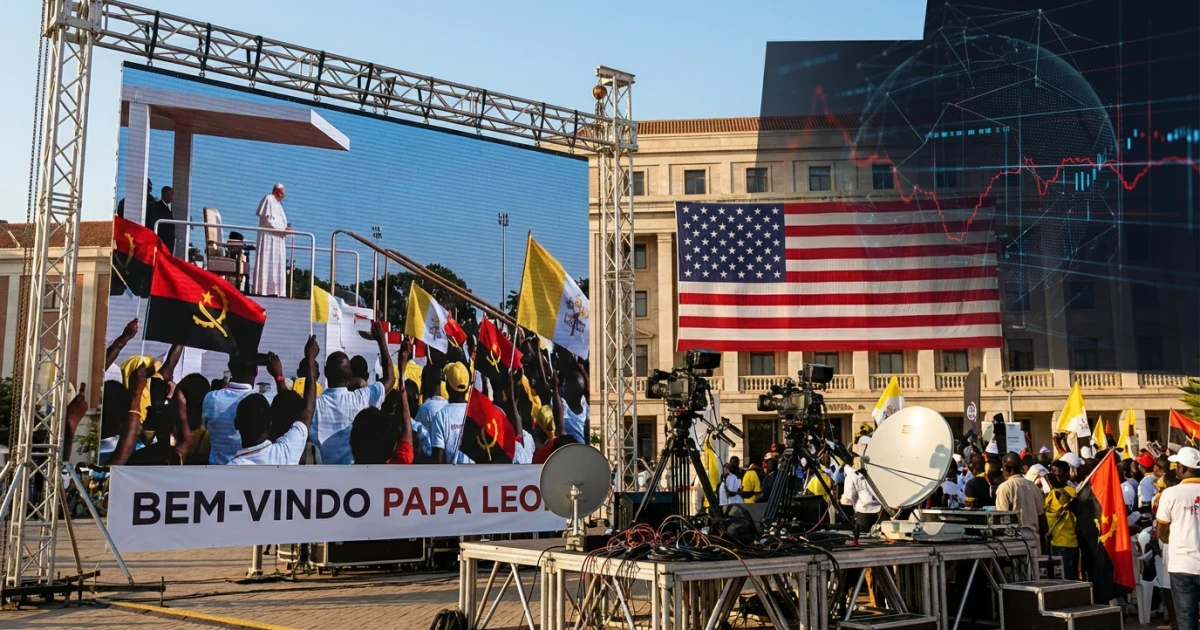
Pope Leo received a rapturous welcome in Angola this week, delivering a message of hope and unity to tens of thousands gathered for an open-air Mass in Luanda. While his visit underscored the enduring influence of the Catholic Church in the country, it also highlighted a contrasting local skepticism toward American political leadership, particularly the U.S. presidency.
Papal Visit Draws Massive Crowds in Luanda
The Washington Post reported that Angolans turned out in droves to greet Pope Leo, the first American-born pontiff, marking a significant moment in the nation’s religious and public life. The pope’s homily, as covered by Al Jazeera, urged worshippers to “build hope” amid economic and social challenges. His words resonated in a country where Catholicism claims a significant following, with nearly 41% of the population identifying as Catholic, according to the Pew Research Center.
- Observers noted the enthusiastic participation of youth and families in the capital, with church choirs and traditional dancers featured in the papal liturgy.
- Many attendees described the event as a once-in-a-lifetime opportunity to see the pope, reflecting Angola’s deep historical ties to the Catholic Church.
Religious Influence in Angolan Society
The prominence of Catholicism in Angola is rooted in centuries of missionary work and social programs. According to the Catechism of the Catholic Church, papal visits are both spiritual and diplomatic, aiming to reinforce faith and address societal issues. The church remains a key provider of education, health care, and social services in Angola, often stepping in where state systems are strained.
The pope’s call to "build hope" was seen as an affirmation of the Church’s ongoing commitment to Angola’s development. This aligns with priorities highlighted in the UNICEF Angola Country Programme, which emphasizes child welfare, education, and health—areas where the Church is a major partner.
Mixed Attitudes Toward U.S. Political Leadership
While Pope Leo’s American heritage was a point of curiosity, The Washington Post noted that many Angolans draw a sharp distinction between their high regard for the pope and their views on current American politics. Interviews suggested that U.S. presidents are often seen as distant or associated with policies that have had mixed impacts on Africa.
- Some Angolans expressed admiration for American culture and Catholic leadership, but skepticism toward U.S. foreign policy remains.
- Concerns persist regarding American involvement in international affairs and economic policies that affect Angola, as explored in research from the Brookings Institution.
Economic and Social Context
Angola, with a population exceeding 35 million, continues to face high poverty rates and a reliance on oil revenues. According to Statista, economic diversification and improvements in health and education remain critical challenges. The pope’s message of hope was delivered against this backdrop, emphasizing the need for compassion and community solidarity.
Looking Ahead
Pope Leo’s visit has reinvigorated local Catholic communities and drawn international attention to Angola’s spiritual and social landscape. However, the mixed feelings toward American political leadership suggest that, while religious ties remain strong, broader diplomatic relations continue to be shaped by historical and contemporary factors.
As Angola navigates its path forward, the pope’s appeal for hope and unity may serve as a catalyst for renewed civic engagement, even as questions about international partnerships, including with the United States, persist.