Entertainment
Ann Widdecombe’s rise from Tory MP to reality TV star
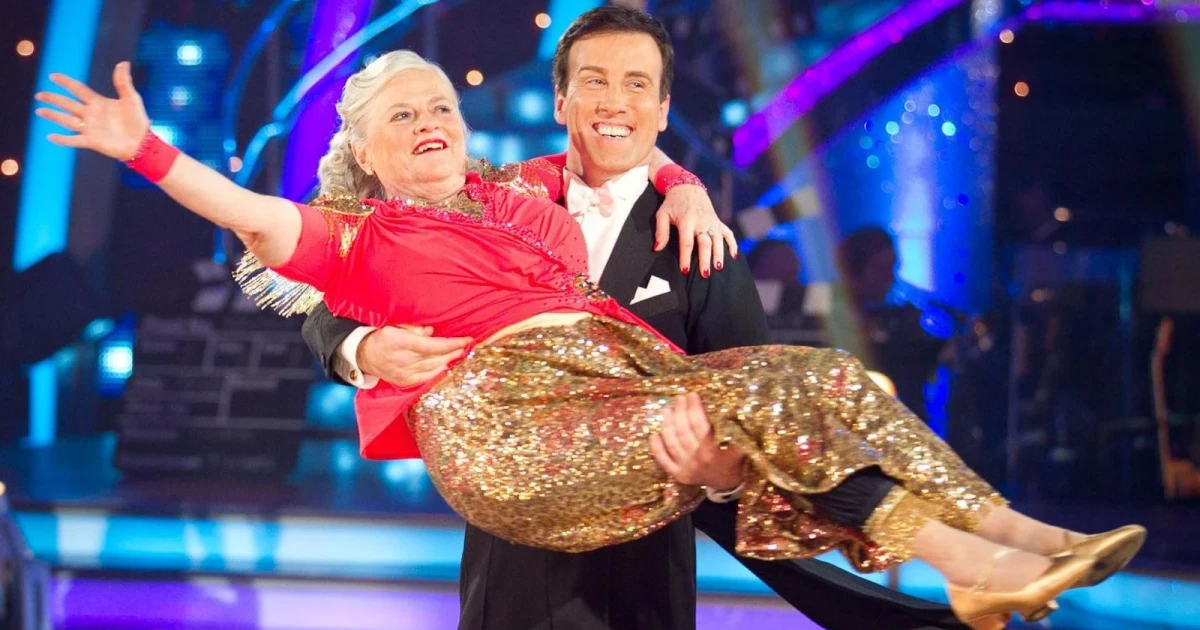
Ann Widdecombe’s public life is a study in reinvention. She moved from the House of Commons to prime-time television without losing the confrontational style that made her one of the best-known figures on the Conservative right. By the time she was voted off Strictly Come Dancing in December 2010, she had already shown that politics, personality and entertainment could feed each other in modern British life.
From Bath to Westminster
Widdecombe was born on 4 October 1947 in Bath, Somerset, and built her political base in Kent as the Conservative MP for Maidstone and later Maidstone and The Weald. She entered Parliament in 1987 and left the Commons on 6 May 2010, closing a 23-year Westminster career that made her a familiar face in the Tory ranks. Her parliamentary years established the public persona that later translated so easily to television: disciplined, combative and highly recognisable.
That background matters because Widdecombe never left politics so much as change the stage on which she performed it. Even after Westminster, she continued to operate as a national figure whose views carried weight far beyond her former constituency. The transition from MP to television contestant did not dilute her profile; it amplified it.
Strictly and the making of a celebrity politician
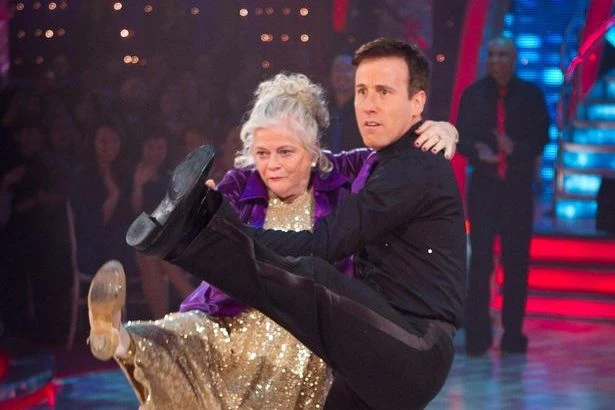
Her 2010 appearance on Strictly Come Dancing with Anton du Beke turned that political notoriety into mass entertainment. The pair repeatedly survived public votes despite low judges’ scores, a pattern that made them one of the series’ most talked-about acts. On 29 November 2010, they performed a Titanic-themed rumba and received just 14 points from the judges, yet the public kept them in the competition.
That run brought both enthusiasm and backlash. Some of du Beke’s fans objected to the pairing, while the wider reaction reflected a larger change in British television: politicians were no longer just interview subjects, they were entertainment characters with fan bases, detractors and story arcs. Widdecombe and du Beke were part of that shift, and the show’s format gave her a new kind of legitimacy with viewers who had never followed her parliamentary career.
She finished 10th and was voted off in December 2010, but the elimination did little to reduce her visibility. If anything, Strictly gave her a second public life, one built less on legislation than on recognition, stamina and the spectacle of public voting.
Brexit and the politics of reinvention
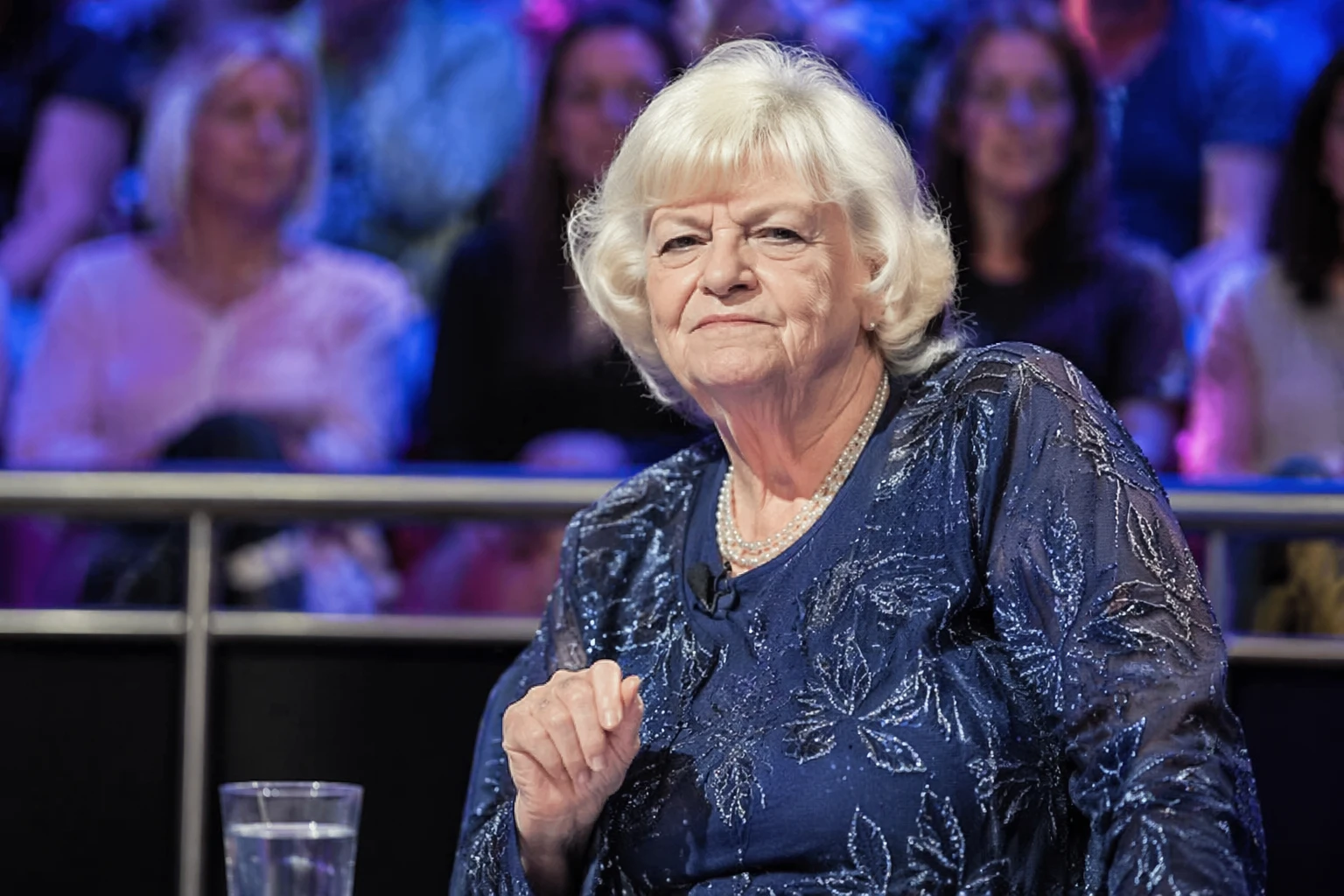
Widdecombe’s next reinvention came through Brexit. In 2019 she stood for the Brexit Party and was elected MEP for South West England, returning to front-line politics just as Britain was moving toward withdrawal from the European Union. She said she wanted to fire “a very loud warning shot across the bows” of the established parties, language that matched her long-standing appetite for provocation and set the tone for her role in the Brexit movement.
The timing gave her campaign added force. The UK left the EU on 31 January 2020, and Widdecombe’s election was part of the political churn that made the Brexit years so volatile for the old party system. Her move from Conservative MP to Brexit Party MEP showed how older political identities could be repackaged for a new insurgent electorate, especially when amplified by television fame.
Culture-war celebrity and controversy
Widdecombe’s public standing also depended on controversy. Her remarks comparing Brexit to slavery drew sharp criticism, and the backlash confirmed how quickly her interventions could move from political argument into moral confrontation. The episode underscored a broader feature of her career: she was not only a politician with opinions, but a media figure whose most inflammatory statements became part of her brand.
That same pattern followed her onto the stage. In 2020, theatres axed a stage show of hers after comments about gay conversion therapy and “free speech” arguments. The cancellation showed that her reputation for bluntness still carried consequences, especially when culture-war language crossed into live performance and public bookings. Widdecombe had become a figure who could attract attention across politics, broadcasting and theatre, even when the attention was hostile.
The private detail that softened the public image
For all the hard-edged politics, Widdecombe has also been publicly associated with animal welfare and pet ownership. In 2002, BBC reporting described her as devastated after the death of her rescue cats Carruthers and Pugwash, which she had chosen with her mother from a Cats Protection shelter in Kent. The official Widdecombe website also includes a page about her cats, a reminder that her public image has always mixed strictness with more personal, sympathetic details.
That contrast matters because it helps explain her durability. Widdecombe has never fit neatly into a single role: she has been MP, campaigner, contestant, MEP and tabloid presence, often all in the same public memory. Her career shows how British public life now rewards figures who can move between Parliament, reality television and culture-war politics without changing their central currency: attention.
Sources
- [1]bbc.co.uk
- [2]members.parliament.uk
- [3]news.bbc.co.uk
- [4]bbc.com
- [5]annwiddecombe.com