Science
Antarctic Challenge: Attempt to Drill Through Thwaites ‘Doomsday Glacier’ Stymied by Nature’s Obstacles
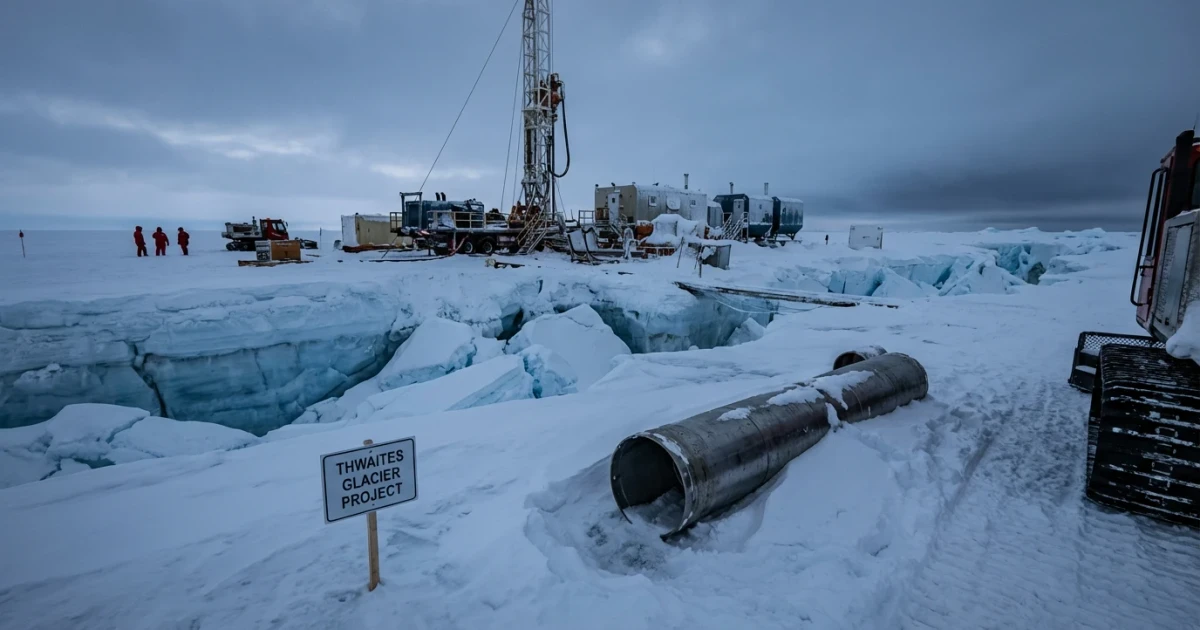
Efforts to unlock the secrets of the Thwaites Glacier—nicknamed the ‘Doomsday Glacier’ for its potential to dramatically raise global sea levels—have hit an unexpected setback, as an international team’s attempt to drill through the glacier’s massive ice has been foiled by unforeseen technical challenges.
The Mission: Probing the Heart of Antarctica’s Most Feared Glacier
The recent expedition aimed to penetrate the thick ice of Thwaites Glacier in West Antarctica, a region that has become central to climate science due to its instability and rapid melting. Scientists sought to drill boreholes through the glacier’s base, allowing them to collect samples and monitor ice, water, and sediment layers in hopes of understanding how quickly the glacier might collapse—and what that could mean for sea level rise worldwide.
Setback in the Field: Drilling Efforts Halted
Despite months of preparation and a complex logistical operation to transport heavy equipment across hundreds of miles of frozen terrain, the team’s drilling attempt was stymied. The mission was brought to a halt when the drilling machinery encountered unexpectedly hard layers of ice and sediment, making it impossible to reach the glacier’s base as planned.
- Thwaites Glacier is roughly the size of Florida and contains enough ice to raise global sea levels by over two feet if it were to collapse.
- Previous studies have shown that the glacier is losing ice at an accelerating rate, fueling concerns among climate scientists.
- The failed drilling attempt highlights the extreme technical hurdles researchers face in one of the world’s harshest and most remote environments.
Scientific Stakes: Why Thwaites Matters
Thwaites Glacier has earned its ominous nickname due to its potential impact on global coastlines. As one of the fastest-changing glaciers in Antarctica, scientists warn that its collapse could destabilize the entire West Antarctic Ice Sheet. This would have a cascading effect, potentially raising sea levels by up to 10 feet over the coming centuries.
Understanding Thwaites’ behavior is pivotal for accurate projections of future sea level rise. Researchers had hoped that drilling through the glacier would provide new data on how warm ocean water is interacting with the ice from below, a suspected driver of recent melting.
Challenges of Polar Research
The thwarted drilling operation exemplifies the formidable obstacles facing polar researchers, from brutal weather conditions and shifting ice to the unpredictable nature of the terrain itself. Even with advanced technology and international collaboration, the Antarctic environment often proves unpredictable and unforgiving.
- Logistical hurdles, such as transporting heavy machinery to remote sites, remain significant.
- Technical failures can result from the glacier’s unexpectedly dense ice layers and embedded debris.
- Weather windows for fieldwork are short and can close quickly, further complicating operations.
What Comes Next?
While this season’s attempt to drill through Thwaites has ended in disappointment, scientists emphasize that every expedition yields valuable insights. The data already gathered on ice movement, surface conditions, and environmental factors will inform future missions. Researchers are now regrouping to refine their techniques and strategize for the next attempt, highlighting the persistence required for breakthroughs in polar science.
The world’s eyes remain on Thwaites Glacier as its fate continues to shape the conversation about climate change and the future of humanity’s coastal cities. The challenges faced by researchers only underscore the urgency—and difficulty—of understanding this crucial piece of the climate puzzle.