World
Antarctica fossil reclassified as first dinosaur bone ever found there
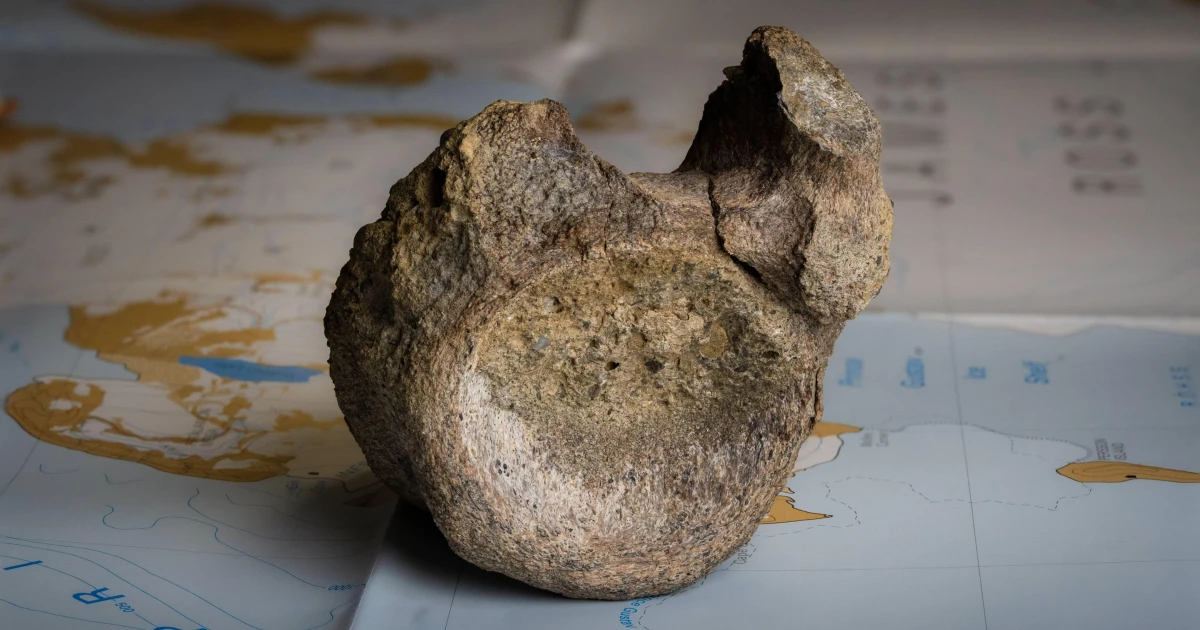
A fossil collected on James Ross Island in 1985 is the first dinosaur bone ever found in Antarctica, after sitting for decades in the British Antarctic Survey geology collection in Cambridge because the original discoverers were not sure what they had found.
Palaeontologists identified the specimen as an incomplete caudal vertebra, a tail bone from a titanosaur, the long-necked sauropod group that included some of the largest land animals to live. The bone comes from the Late Cretaceous and a 2026 study placed it in a lower Campanian horizon of the Santa Marta Formation on James Ross Island. The bone is small for a titanosaur, a size that could mean the animal was immature or belonged to a genuinely small-bodied form.
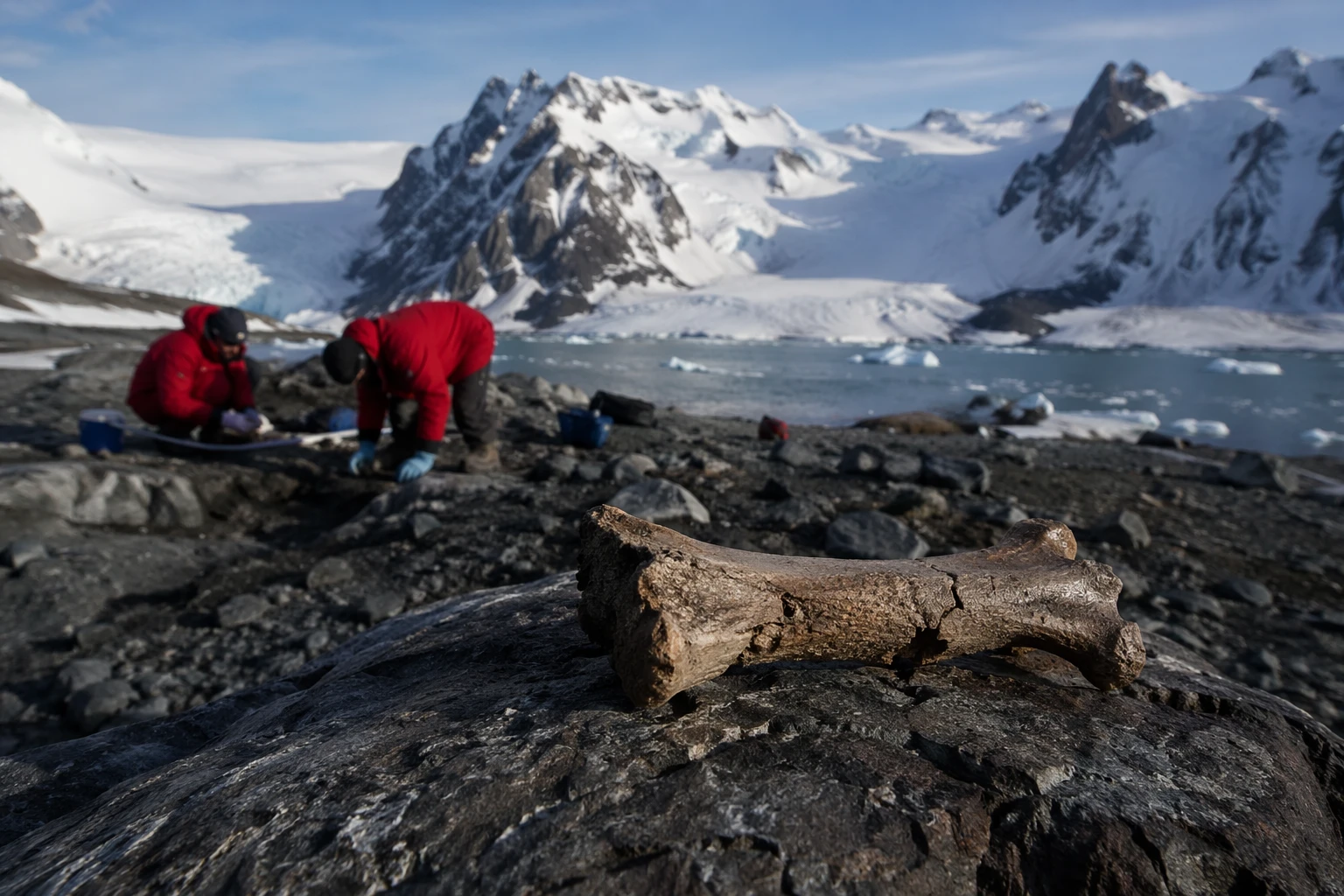
A 2012 paper had already described it as the first record of a sauropod dinosaur from Antarctica, but the later re-examination went further, confirming it as the first dinosaur bone ever collected from the continent. It is also only the second sauropod body fossil known from Antarctica.
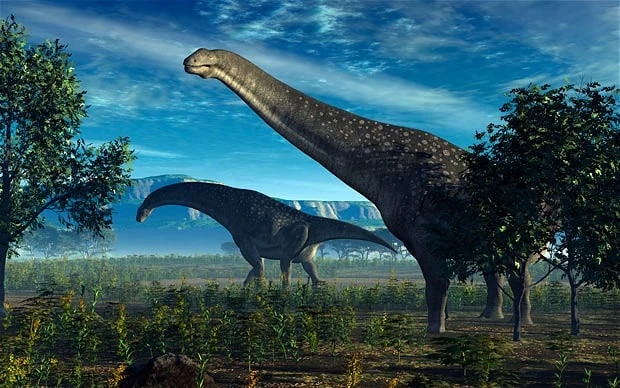
The specimen adds evidence of biogeographic links between Antarctica, South America and Australia during Gondwana time, when those landmasses were still connected or much closer than they are today.

British Antarctic Survey's geological collection holds more than 200,000 rock and fossil specimens, while its fossil collection has grown since the 1940s to around 40,000 specimens, with the earliest geological material dating to the 1946 Operation Tabarin expedition. Antarctica has produced other milestones from older holdings before: the first fossil reptiles identified there were plesiosaurs found in 1982, and the first dinosaur fossil on the Antarctic Peninsula was found in 1986.