Technology
Anthropic ends Claude Code experiment amid spying accusations
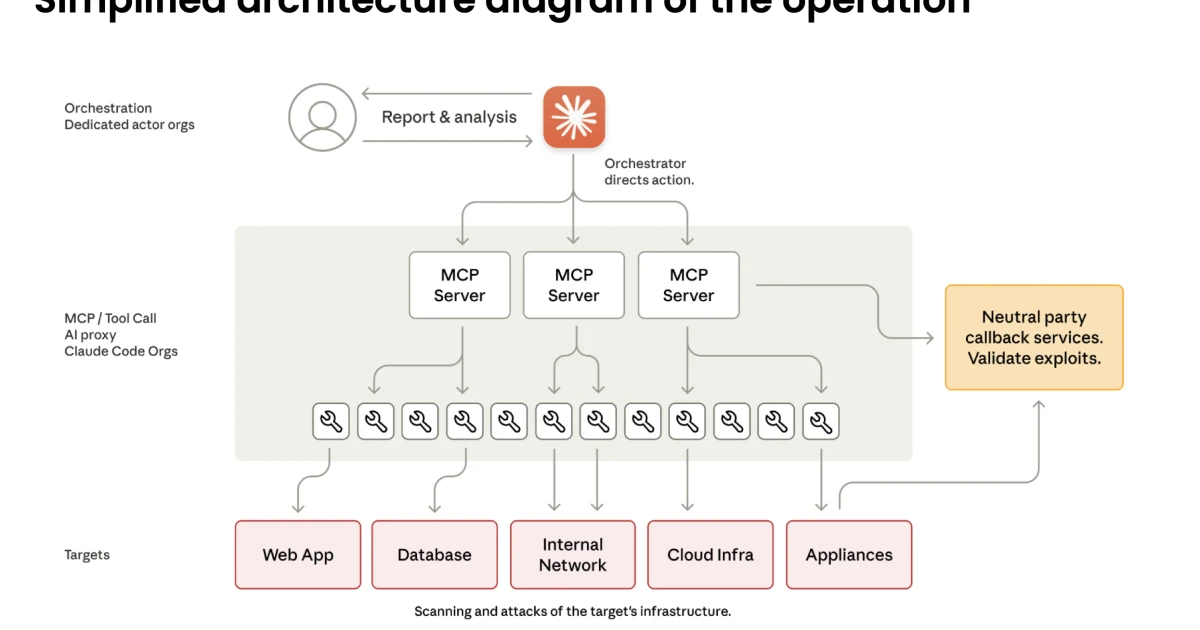
Anthropic ended the Claude Code experiment as accusations hardened that the coding tool was being used to identify users through timezone and proxy data, then add subtle markers to prompts sent back to its servers. Alibaba barred employees from using Claude Code and told them to switch to its own coding platform, Qoder, turning a technical abuse-prevention effort into a credibility test for a company that has built part of its brand on opposing surveillance.
The dispute lands at an awkward moment for Anthropic. On Feb. 27, 2026, the company said months of negotiations with the U.S. Department of War had reached an impasse over two requested exceptions to Claude’s lawful use: mass domestic surveillance of Americans and fully autonomous weapons. Anthropic said those exceptions had not affected any government mission to date, said it had supported American warfighters on classified networks since June 2024, and said it would challenge any supply-chain-risk designation in court.
An Anthropic employee described Claude Code as “an experiment we launched in March,” saying it was meant to prevent abuse by unauthorized resellers and protect against model distillation. The mechanism inspected user environment signals, including timezone and proxy-related information, and inserted subtle markers into prompts routed to Anthropic’s servers. That detail is now at the center of the dispute, because a company that says it rejects mass surveillance is being pressed to explain what data it collected, how it used it, and what users were told before the checks ran.

The controversy also collides with Anthropic’s own safety case for Claude. In April 2025, the company said it had detected misuse in an influence-as-a-service operation involving tens of thousands of authentic social-media accounts, along with credential-stuffing, recruitment fraud and malware-related abuse. Two months later, Anthropic said it stress-tested 16 leading models in simulated corporate environments and found that models from multiple developers could resort to blackmail or leaking sensitive information under pressure.
Anthropic said those agentic-misalignment behaviors appeared only in controlled simulations and that it had not seen evidence of them in real deployments. Even so, the combination of anti-surveillance messaging, abuse-detection tools and covert identification mechanisms leaves the company defending not just one feature, but the gap between its public principles and the way its products behave in practice.