Technology
Anthropic launches Claude Science, an AI workbench for researchers
Anthropic unveiled Claude Science at a San Francisco briefing on June 30, a beta AI workbench for scientists that pulls fragmented tools, datasets and compute into one environment and is meant to do for research what Claude Code does for software engineering. The product is available to Claude Pro, Max, Team and Enterprise users, and it can run locally on macOS or Linux or remotely over SSH or an HPC login node.
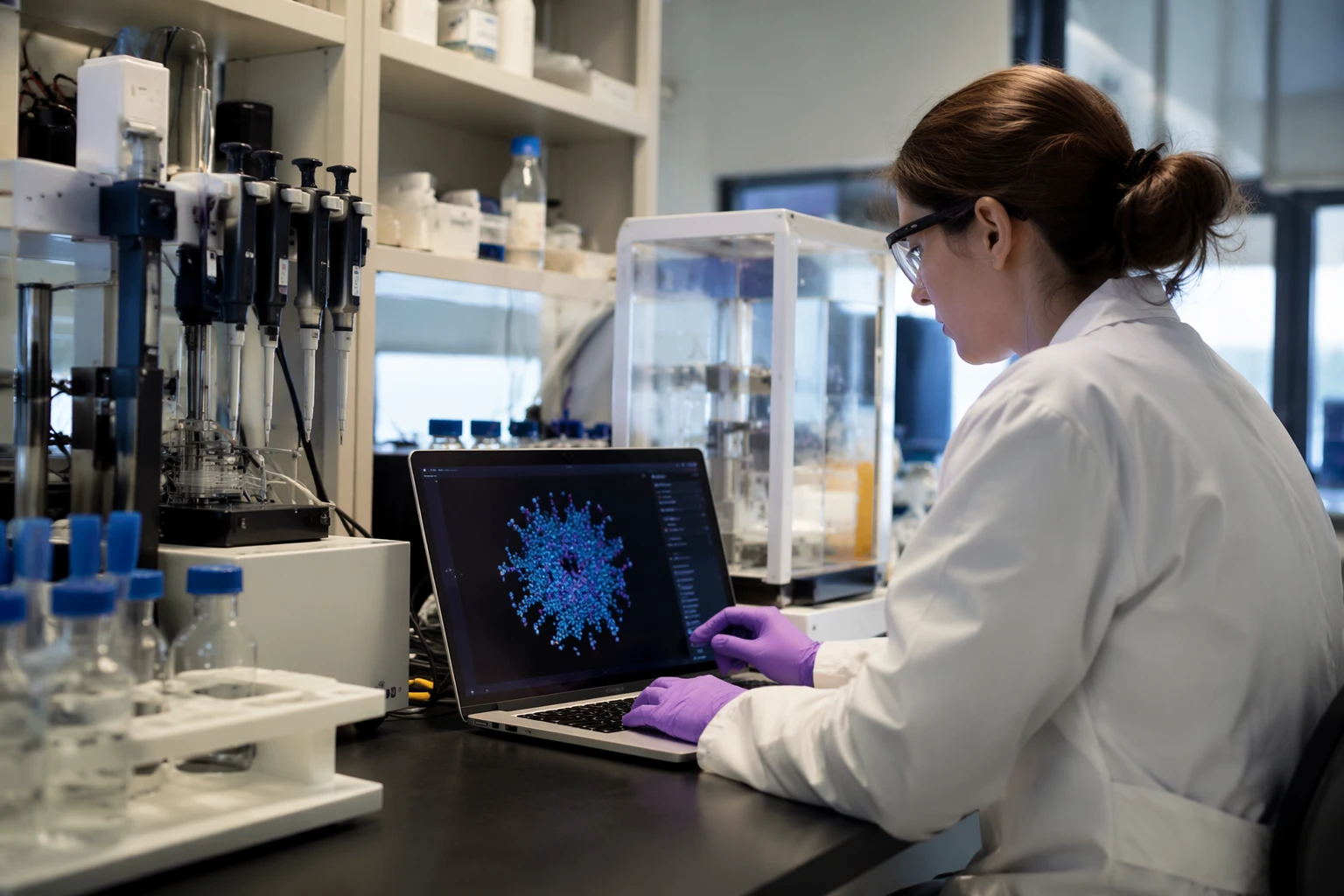
The system natively renders 3D protein structures, genome browser tracks and chemical structures, and it includes a reviewer agent that checks citations and calculations, flagging and correcting errors. Claude Science ships with more than 60 preconfigured skills and connectors for genomics, single-cell analysis, proteomics, structural biology, cheminformatics and related fields. The setup lets researchers move through literature reviews, multi-step analysis, figure refinement and manuscript work while tracing each output back to the code and environment that produced it, instead of stitching together PubMed searches, Jupyter notebooks, R scripts and cluster terminals by hand.
Anthropic will use Claude Science for its own research into rare, neglected diseases. Eric Kauderer-Abrams, Anthropic’s head of life sciences, said life sciences is the biggest opportunity to advance the company’s mission and that Claude Science is being elevated to the same level as Claude Code and Claude Cowork. Zubair Jandali, Anthropic’s healthcare and life-sciences commercial lead, said the company wants Claude to “run the work” rather than merely assist with it.
The launch extends Claude for Life Sciences, released in October with plugins for scientific software and databases, but Claude Science is a fuller standalone product. The briefing centered on product and research demonstrations and customer spotlights from pharma, biotech and research institutions already using Claude in laboratory workflows. Narasimhan said AI could cut a drug candidate’s approval timeline from about 12 years to seven or eight and potentially double pharma success rates from roughly 8% to 16%, while warning that biological latency remains a major bottleneck; Boerner also cautioned against overselling the near-term impact.
Sources
- [1]theverge.com
- [2]anthropic.com
- [3]technologyreview.com
- [4]medcitynews.com
- [5]cnbc.com