Politics
Anthropic urges Congress to keep state AI rules and require safety tests
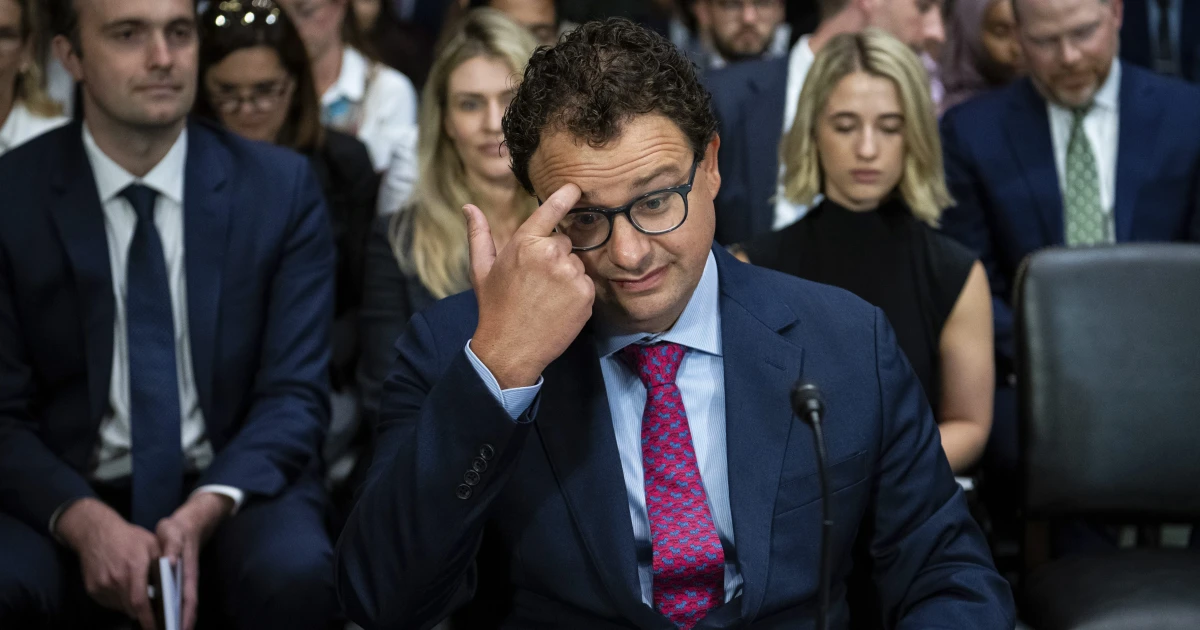
Anthropic pressed Congress to leave state AI rules in place unless lawmakers first build a strong federal system for catastrophic AI risks, drawing a sharper line in Washington’s fight over who gets to police frontier models. The company also said the most powerful AI systems should face independent safety tests before deployment, a demand that turns testing into a gatekeeper rather than a formality.
The stance lands in the middle of a larger preemption battle. A bipartisan House discussion draft released June 4 by Rep. Jay Obernolte and Rep. Lori Trahan would block state AI laws for three years while Congress builds a federal governance framework. The proposal would also create a licensing regime for independent verification organizations and direct $100 million in annual funding to the Center for AI Standards and Innovation from 2027 through 2029.
Anthropic’s chief executive, Dario Amodei, backed a tougher testing model in a June 10 blog post of his own. He said frontier systems should undergo technical testing and auditing like airplanes, and that releases should be blocked or reversed if models fail safety standards. Amodei said independent auditors should scrutinize cybersecurity, biological weapons, loss of control of AI systems and automated research and development.
The company’s position fits a broader push inside parts of the AI industry for more formal oversight as models become more capable at coding, research and content generation, while also posing new misuse risks. Anthropic updated its Responsible Scaling Policy on May 26, and its Frontier Safety Roadmap says the company wants to improve security, safeguards, alignment and policy as future models get more powerful.
The White House has already moved in the same direction. Donald Trump’s June 2 executive order on AI oversight gave the intelligence community an enhanced role in model testing and asked AI companies to submit powerful new models for review 30 days before public release. That creates a federal review layer, but it does not settle the fight over whether states can keep their own protections while Congress debates a national standard.
Anthropic’s own research has framed the issue in unusually stark terms. In a 2024 post on sabotage evaluations, the company compared AI testing to nuclear monitoring and aircraft flight tests, arguing that new systems are already being checked for help in making biological or chemical weapons and that future models may need additional tests aimed at sabotage or evasion. The company’s latest message suggests it is willing to back federal rules, but only if those rules are concrete enough to restrain the most advanced systems before they reach the public.
Sources
- [1]money.usnews.com
- [2]politico.com
- [3]nextgov.com
- [4]anthropic.com
- [5]reuters.com