World
Anti-monarchy protesters target Charles's Trooping the Colour parade in London
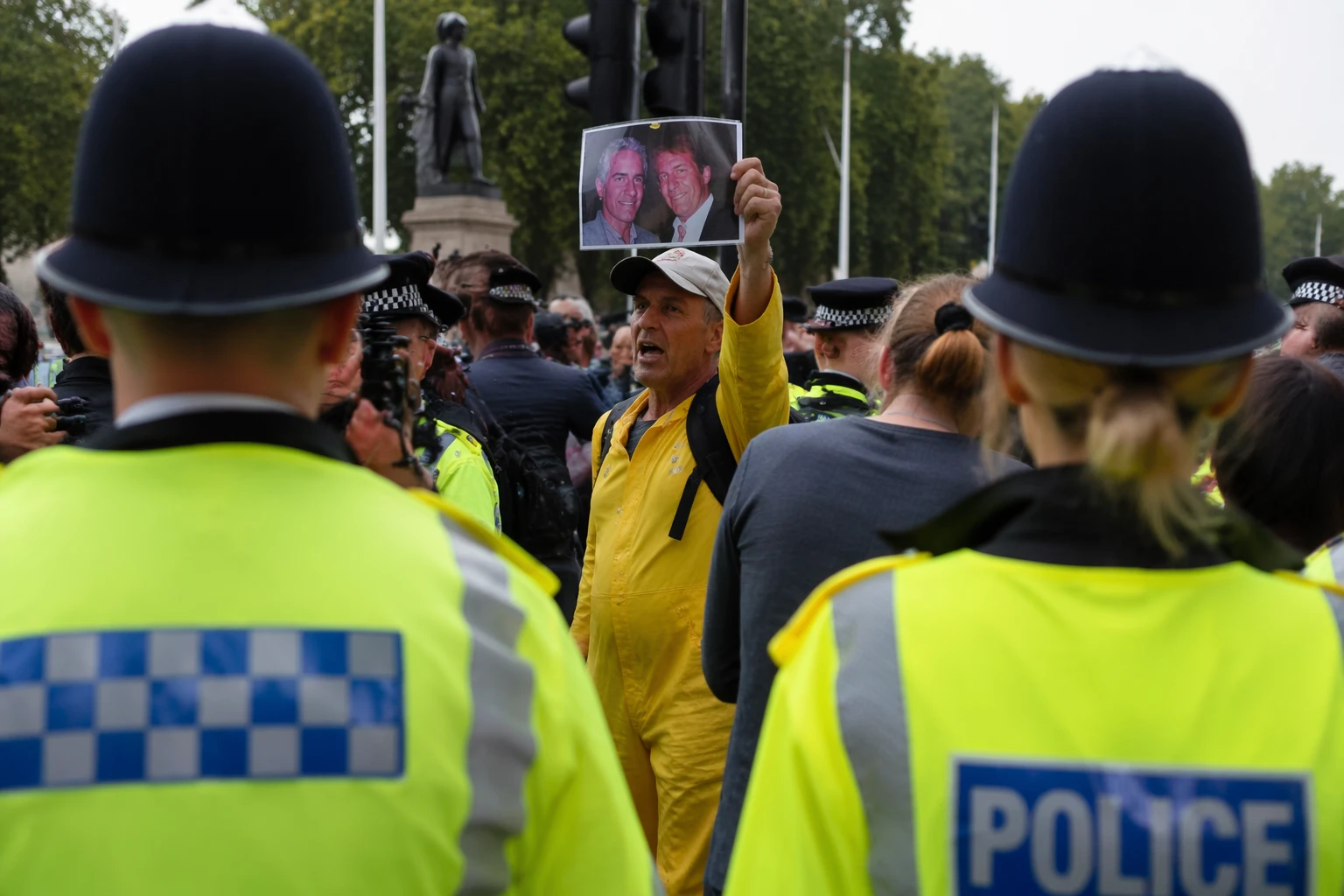
Anti-monarchy activists used King Charles’s Trooping the Colour parade to pull Andrew Mountbatten-Windsor and Jeffrey Epstein back into public view, gathering near The Mall and Buckingham Palace with placards reading “Down with the Crown” and “Not my King.” Republic members also displayed photographs linking Andrew to Epstein as the royal procession passed in carriages and on horseback, turning one of the monarchy’s most polished ceremonies into a protest against secrecy and accountability.
Police had told the protesters to stay in a designated area on The Mall, not to display flags or use noise-making equipment until officers and stewards allowed the public to move forward, and to keep clear of the fence line. The restrictions were intended to ensure the ceremony passed “without serious disruption” and with “minimal disturbance to horses,” but Republic’s chief executive, Graham Smith, called them “contemptible” and said they would keep demonstrators where the royals would not see them. Republic’s own protest notice put the team on The Mall from 8.30am, near the George VI and Queen Mother Statue steps, with Charles and other royals expected to pass around 11.00am before the group moved closer to Buckingham Palace later in the day.
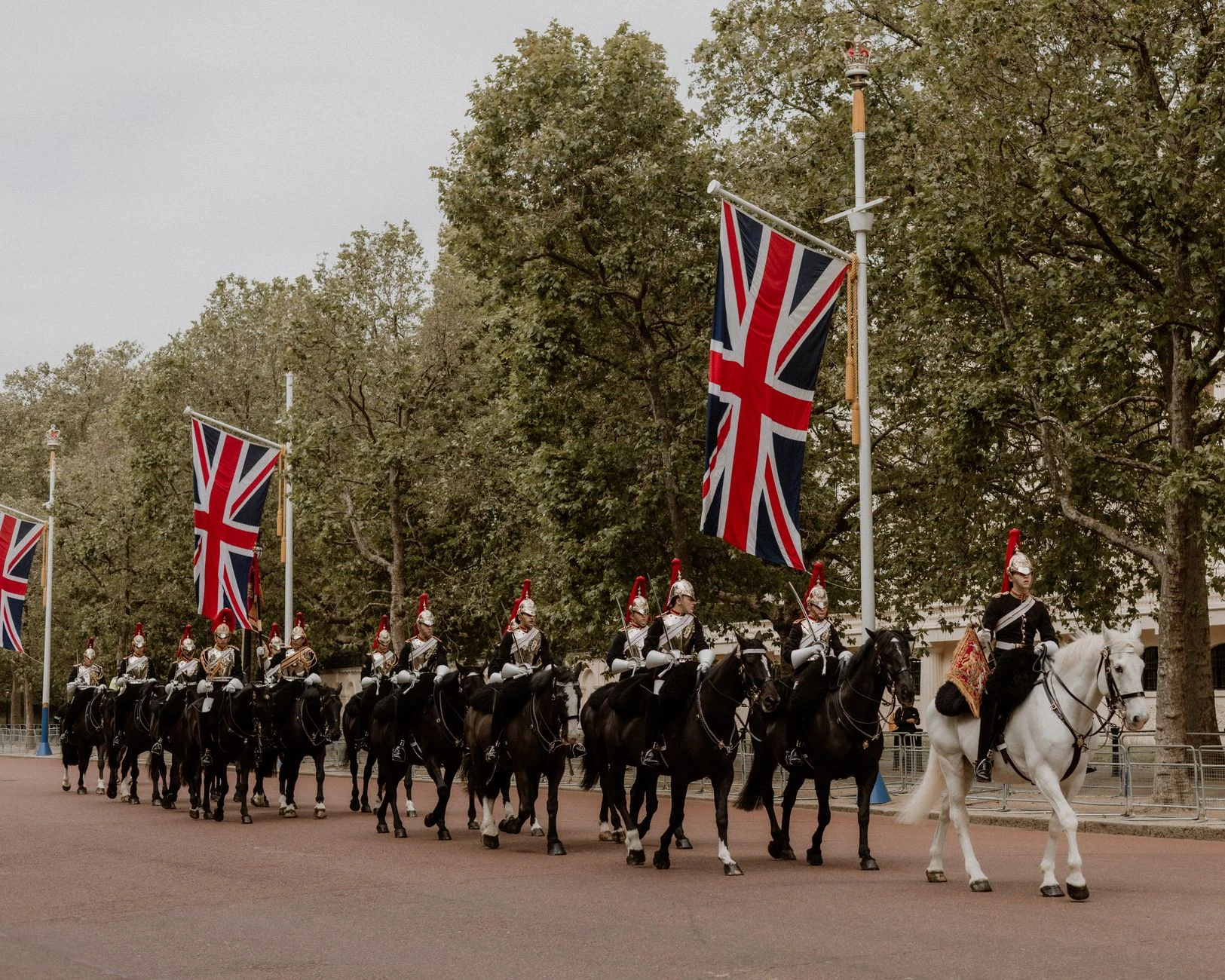
The scale of the backdrop mattered as much as the slogans. Trooping the Colour is Charles’s official birthday parade and typically involves more than 1,400 soldiers, 200 horses and 400 musicians from the Household Division, a choreographed display built to project continuity and public support. By placing Andrew and Epstein images against that spectacle, Republic aimed to keep one of the monarchy’s most damaging unresolved issues in the news cycle, and the tactic worked at least in part: the parade went on, but the day’s visual record also carried boos, placards and a reminder that royal image management remains vulnerable to a small group that knows how to use the monarchy’s own stage against it. That is the broader political effect here, even if the protest did not stop the ceremony itself.