Politics
Anwar coalition suffers Johor setback as ally wins landslide victory

Barisan Nasional swept 48 of Johor’s 56 state assembly seats, leaving Anwar Ibrahim’s Pakatan Harapan with eight and deepening pressure on Malaysia’s unity government. The result did not change the balance in Parliament, but it gave BN a two-thirds majority in the state assembly and sharpened doubts about coalition discipline in Kuala Lumpur.
Johor’s election was watched as a test of the alliance formed after Malaysia’s hung 2022 general election, which helped Anwar build a governing majority. For Pakatan, the outcome marked a drop from 12 seats in the previous Johor contest, while BN improved on the 40 seats it won in 2022. About 2.72 million voters were eligible to cast ballots in the state, underlining the size of the setback for Anwar’s camp.
The opposition was largely shut out. Perikatan Nasional failed to win any of the 33 seats it contested, and Bersama and Muda also failed to secure representation. The result left Johor, one of Malaysia’s most politically watched states, firmly in the hands of Barisan Nasional and its caretaker chief minister, Onn Hafiz Ghazi.

The result carries weight far beyond Johor because the governing arrangement between Pakatan Harapan and Barisan Nasional has been central to Anwar’s hold on power since 2022. Anwar said in May that he would consider calling snap polls if tensions inside the ruling alliance worsened, a warning that now looks more pointed after another state-level loss for his bloc. The next general election is due by February 2028 unless Parliament is dissolved earlier.
The Johor campaign exposed public friction between the two governing blocs. Anwar criticized the early dissolution of the Johor assembly, while Onn Hafiz defended BN’s decision to contest all 56 seats on its own and said the state government would keep a professional relationship with the federal government despite political differences. That careful language masked the political tension inside a coalition that must still work together in Kuala Lumpur.
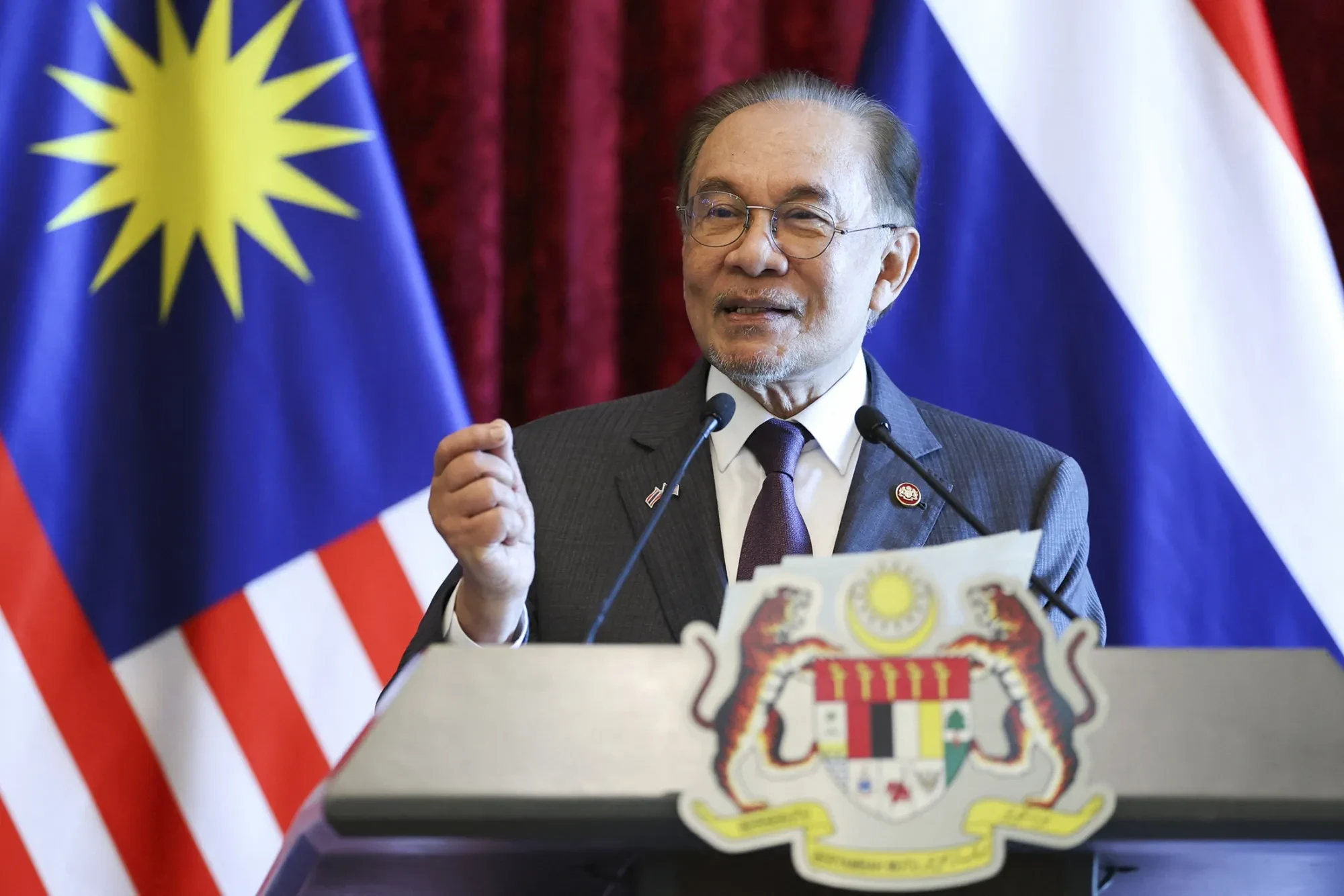
The setback also compounds pressure from reform-minded voters who have grown impatient with the pace of change, along with broader strains over race and religion in multi-ethnic, Muslim-majority Malaysia. The Democratic Action Party, the largest party in Pakatan and a key source of support among ethnic Chinese voters, has already said it would review its role in the pact after earlier state defeats. The next major test comes in Negeri Sembilan on August 1, where the coalition will find out whether Johor was a local rebuke or the start of a wider shift.
Sources
- [1]usnews.com
- [2]malaymail.com
- [3]channelnewsasia.com
- [4]businesstoday.com.my
- [5]straitstimes.com
- [6]thestar.com.my
- [7]nst.com.my
- [8]reuters.com