Technology
AP, FRONTLINE probe how American tech powers global scam economy

Inside one compound, Safeer Mohammed Koorimannil said he was ordered to make each victim fall in love in four days. An AP and FRONTLINE investigation released June 30 traced more than 200,000 device connections at four scam compounds in Myanmar and showed how American tech infrastructure helped keep the fraud networks online. The investigation drew on tens of thousands of leaked scam-center files, videos and photos, plus an analysis with C4ADS of artificial-intelligence misuse inside the compounds.
He said he impersonated a 28-year-old Singaporean woman named Ella, chatted with more than 100 people at once, and targeted about 50,000 victims from at least 17 countries in a single month, working under supervisors who prowled the desks with electric batons. “Everyone is a robot there,” he said.
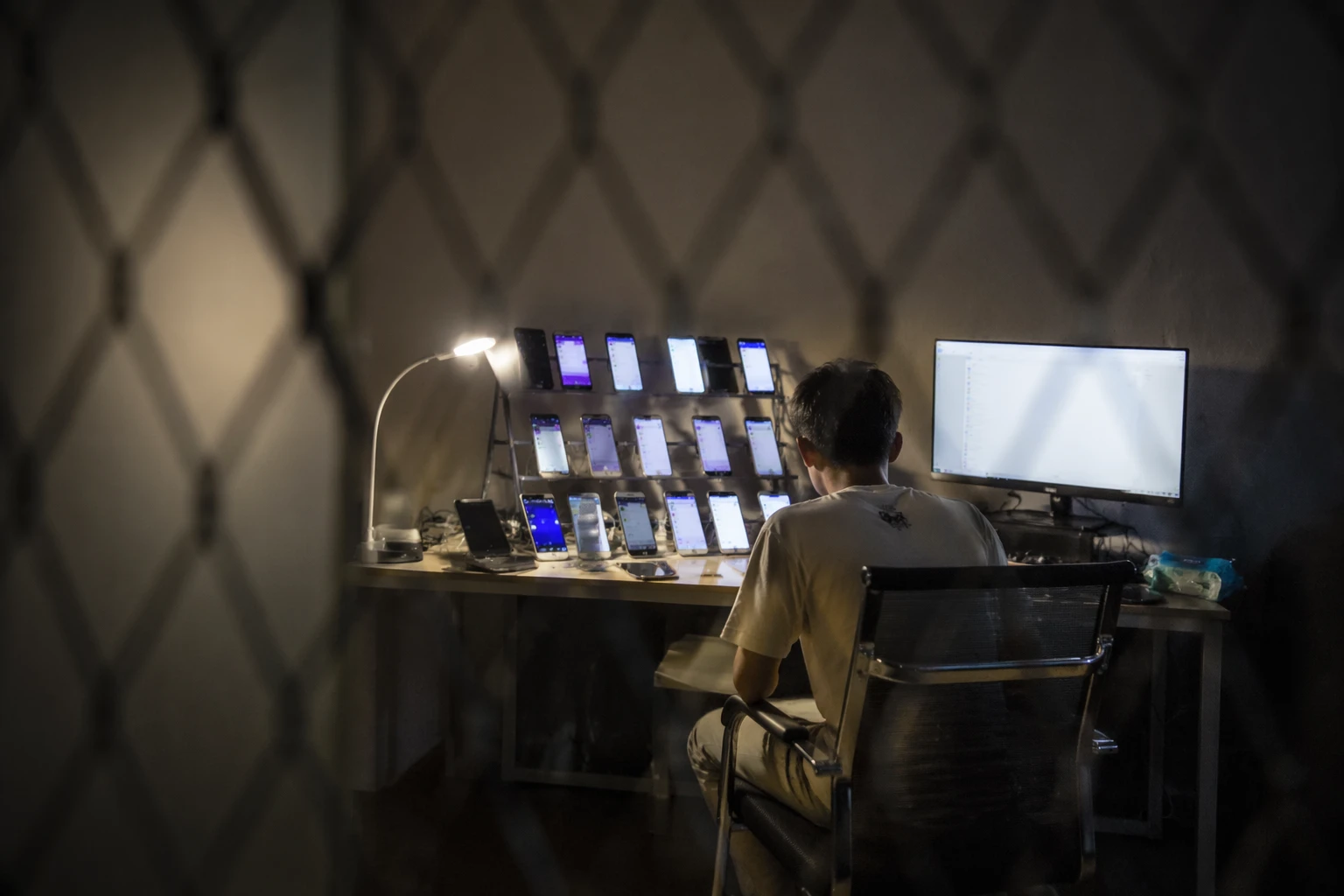
The device data covered several intervals between February 2025 and January 2026, and at least 13 of the compounds used Starlink IP addresses. One AP analysis found that one in five signals from devices at the four compounds was carried by a U.S.-registered company. No evidence showed the companies themselves were acting illegally, but the abuse of their tools raised questions about enforcement of terms of service that already ban fraud in many cases.

Treasury put Americans’ losses at at least $10 billion in 2024 to Southeast Asia-based scam operations, then sanctioned the Karen National Army on May 5, 2025, as a transnational criminal organization tied to cyber scams, human trafficking and cross-border smuggling. Treasury later imposed sanctions on scam-center targets in Shwe Kokko, Burma, on September 8, 2025. More than 5,300 people were still trapped in online scam centers near Myanmar’s Thai border as of June 23, 2026, and OpenAI banned three accounts after AP shared information showing its models were being used to support online scams.
Sources
- [1]apnews.com
- [2]wtop.com
- [3]newser.com
- [4]swfl.io
- [5]pbs.org
- [6]seattlepi.com
- [7]home.treasury.gov
- [8]state.gov
- [9]reuters.com