World
AP marks 75 years of refugee protections with six personal stories
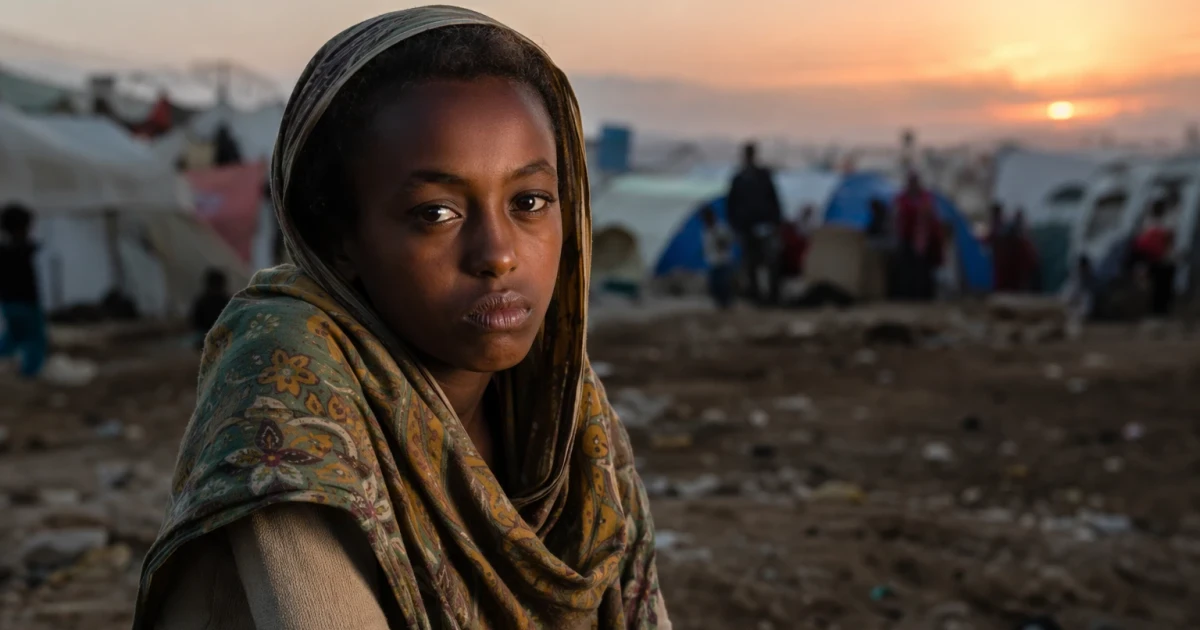
Six refugees used the 75th anniversary of the 1951 Refugee Convention to show what the treaty’s promises look like in real life, from flight and fear to work, study and rebuilding. Their stories land against a harsher backdrop: 117.8 million people were forcibly displaced worldwide at the end of 2025, including an estimated 45 million children under 18.
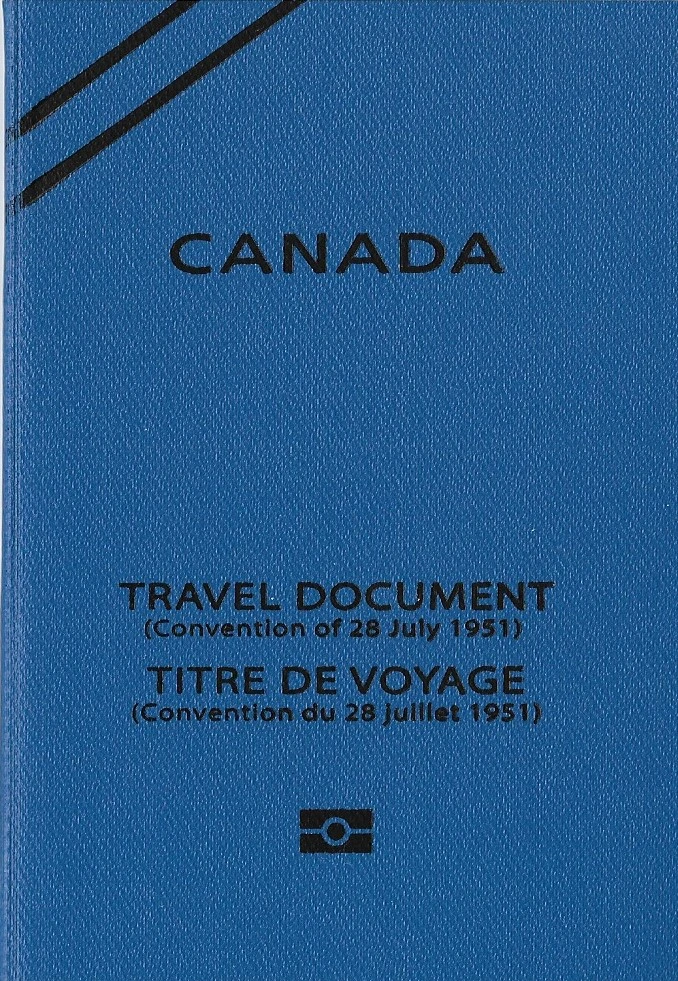
The convention, adopted on 28 July 1951 and in force since 22 April 1954, was written to protect people fleeing war and persecution and to keep states from sending them back to danger simply because they crossed a border. Its scope widened with the 1967 Protocol, which extended protection beyond the treaty’s original postwar and Europe-specific limits. Seventy-five years on, that legal architecture still defines asylum law in major democracies, even as governments argue over who should be admitted, how long they can stay and who should pay.
AP centered the anniversary on six refugee testimonies rather than an institutional ceremony. Among the people highlighted were Juan Carlos Arce, a human rights defender and refugee from Nicaragua now in Barcelona, Hershel Greenblat, a World War II refugee born in Ukraine, and Yusra Mardini, the swimmer who became part of the Refugee Olympic Team. The point of those accounts is plain: refugee protection is measured not by signatures on paper, but by whether people can make a safe and usable life after displacement.
That test has become more severe as wars have pushed displacement higher and money for response has tightened. Reuters reported on June 12, 2025 that wars had displaced more than 122 million people as aid funding fell. UNHCR’s 2025 Global Trends data put the figure at 117.8 million by year-end, underscoring how close the world is to a record burden of forced movement. With children making up roughly 45 million of those displaced, asylum systems are not only handling border claims but also family separation, schooling and long-term care.
The anniversary has also sharpened the politics around resettlement and asylum in the United States and other democracies. Human Rights First said on July 21, 2026 that a global civil society coalition was pressing for stronger implementation of the convention and for narratives rooted in hope and solidarity, not fear and division. Refugee Council USA separately urged U.S. officials on September 25, 2025 to uphold treaty commitments and restore refugee and asylum protections.
UNHCR marked the milestone with a public solidarity initiative, “The Promise,” joined by 75 global voices. The message behind the anniversary is not ceremonial. It is an audit of whether states still honor the duty that gave the treaty its purpose, and whether the gap between protection on paper and protection in practice keeps widening.
Sources
- [1]apnews.com
- [2]wsls.com
- [3]ohchr.org
- [4]unhcr.org
- [5]humanrightsfirst.org
- [6]reuters.com
- [7]refugeesinternational.org
- [8]rcusa.org