Politics
AP preview looks at South Carolina primary to replace Lindsey Graham
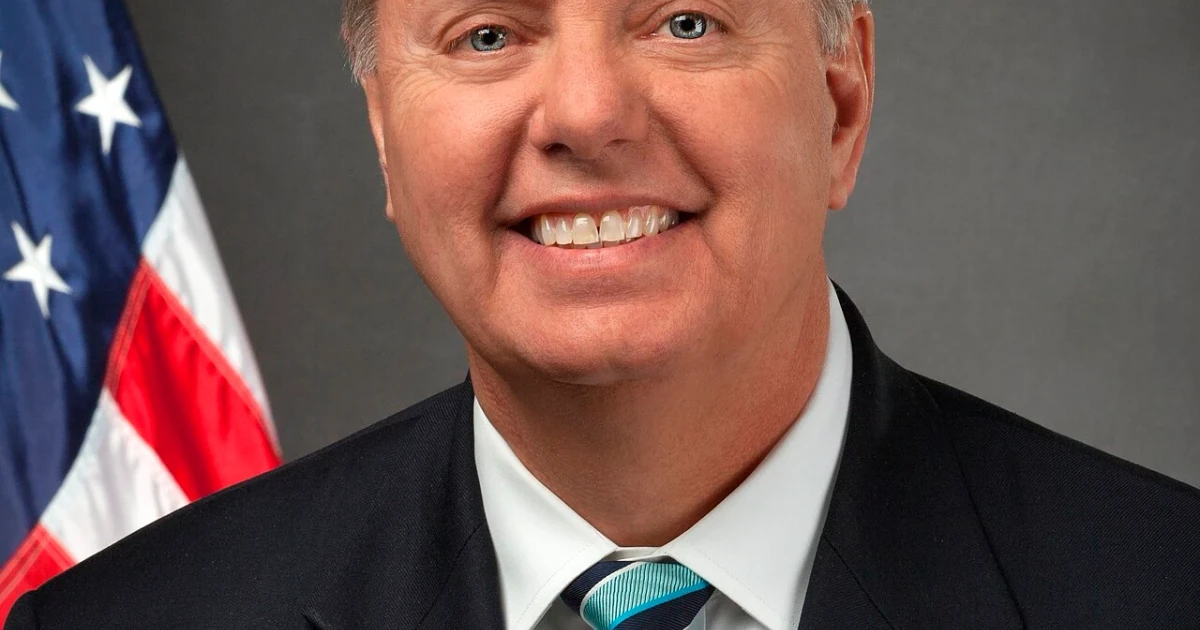
South Carolina Republicans faced a crowded special primary Tuesday to choose a nominee for the November 3, 2026, general election ballot after the death of the party’s U.S. Senate nominee. The race drew 10 Republican candidates, including U.S. Rep. Ralph Norman, former Gov. and congressman Mark Sanford, and Darline Graham Nordone, Lindsey Graham’s sister.
The special filing period and primary were held under S.C. Code of Laws Section 7-11-55, which the South Carolina Election Commission said applied after the death of the Republican Party nominee for U.S. Senate. Election officials said the filing period was open only to Republican candidates because the deceased nominee had opposition in the general election, and the winner of the special filing and primary would move on to the November ballot.
The compressed calendar turned the contest into an unusually fast succession fight. South Carolina election materials said a candidate was added to the ballot by court order on August 4, 2026, underscoring how quickly the field was still shifting only a week before the primary. Election resources also said voters who took part in the June Democratic primary were not eligible to vote in the Republican special primary.
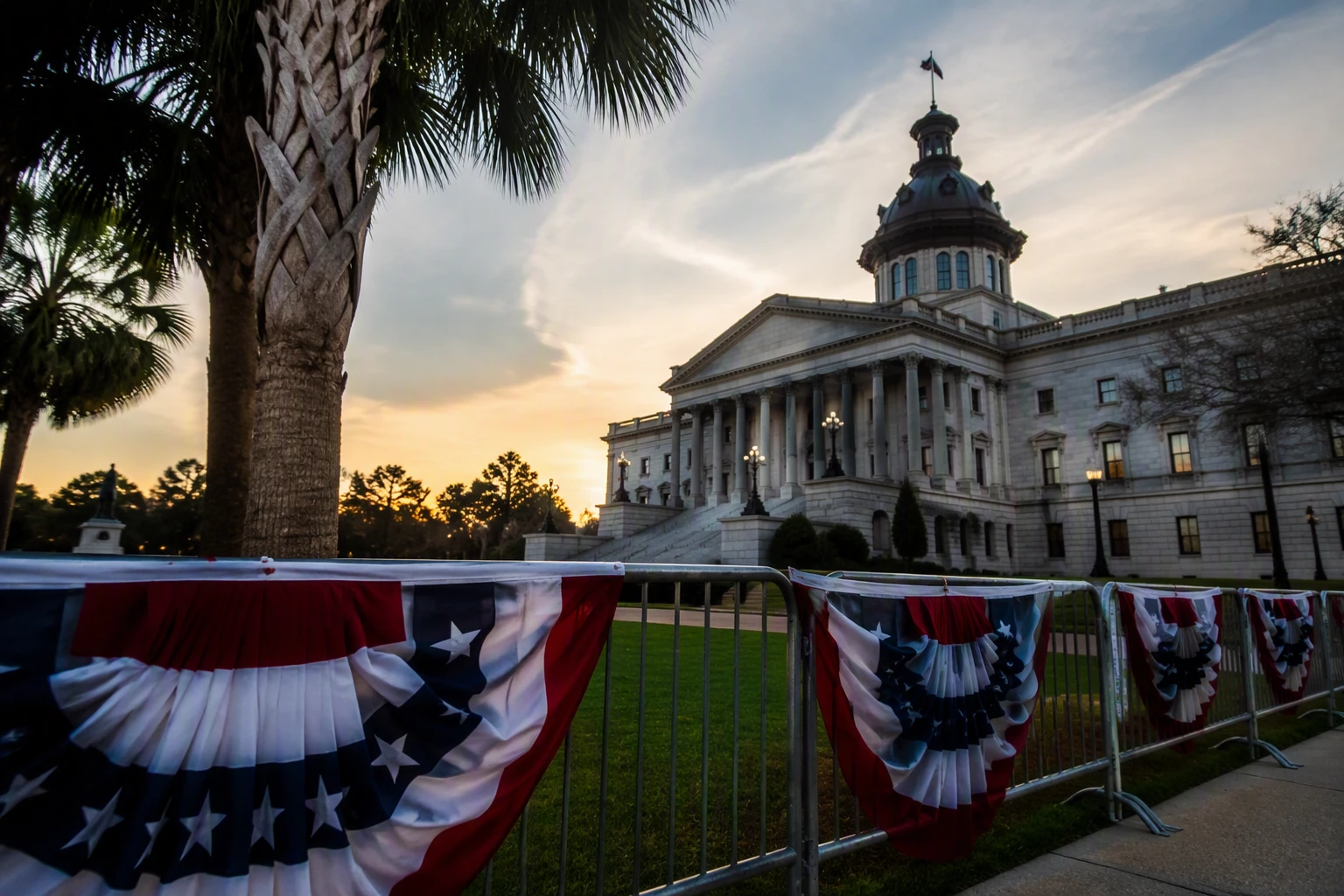
Trump’s endorsement of Darline Graham Nordone gave the race a national edge, but it did not appear to settle the field. NBC News said the GOP primary was likely headed for a runoff, a sign that the party’s voters were split among several recognizable names rather than consolidating behind one clear successor. That dynamic mattered because the contest was not only about filling a Senate vacancy. It also tested whether South Carolina Republicans wanted a candidate tied closely to the state’s established political network or a sharper break inside a fast-moving special election.
The seat had broader weight in Washington because South Carolina’s Senate races shape party balance, fundraising, and the reach of national figures willing to weigh in. Graham’s stature made the vacancy especially significant, and the special primary became an early measure of how Republican voters were reacting to the next phase of the party in a state that often reflects national political moods. With the nominee set to emerge from a low-turnout special election rather than a regular primary, organization, name recognition and endorsements all carried outsized value.
Sources
- [1]apnews.com
- [2]scvotes.gov
- [3]wjcl.com
- [4]deseret.com
- [5]washingtonpost.com
- [6]nbcnews.com
- [7]wbtv.com
- [8]270towin.com