US News
Apollo 11’s moon landing depended on 400,000 behind-the-scenes workers

Apollo 11 put Neil Armstrong and Buzz Aldrin on the Moon, but the landing depended on 400,000 people working far from the spotlight. Engineers, scientists, mechanics, technicians, pilots, divers, seamstresses and secretaries kept the mission moving across the United States, with work running through Cape Kennedy space center, Houston and other hubs that never made the moonwalk itself.
The flight that reached the lunar surface on July 20, 1969 fulfilled President John F. Kennedy’s 1961 pledge to land a man on the Moon and return him safely to Earth before the end of the decade. NASA’s production notes for Apollo 11: First Steps Edition describe the mission as one of humanity’s greatest achievements and say the documentary reconstructs the final moments of preparation, liftoff, landing and return. Neil Armstrong later said he was only successful because he “stood on the shoulders of giants.”

That support system did not end at splashdown. After returning to Earth, the Apollo 11 crew was placed in quarantine, a reminder that the mission’s planning reached beyond propulsion and navigation into health protection and containment. The lunar trip had to account for what happened after the astronauts came home, not just what happened on the Moon.
Randall Pinkston, who later spent 33 years at CBS and was a former correspondent for Al Jazeera America, also turned attention to one of those unseen workers in 2009. His reporting fit a larger truth of the Apollo era: the public saw three astronauts, while the country’s industrial and technical base delivered the hardware, training and procedures that made the flight possible.
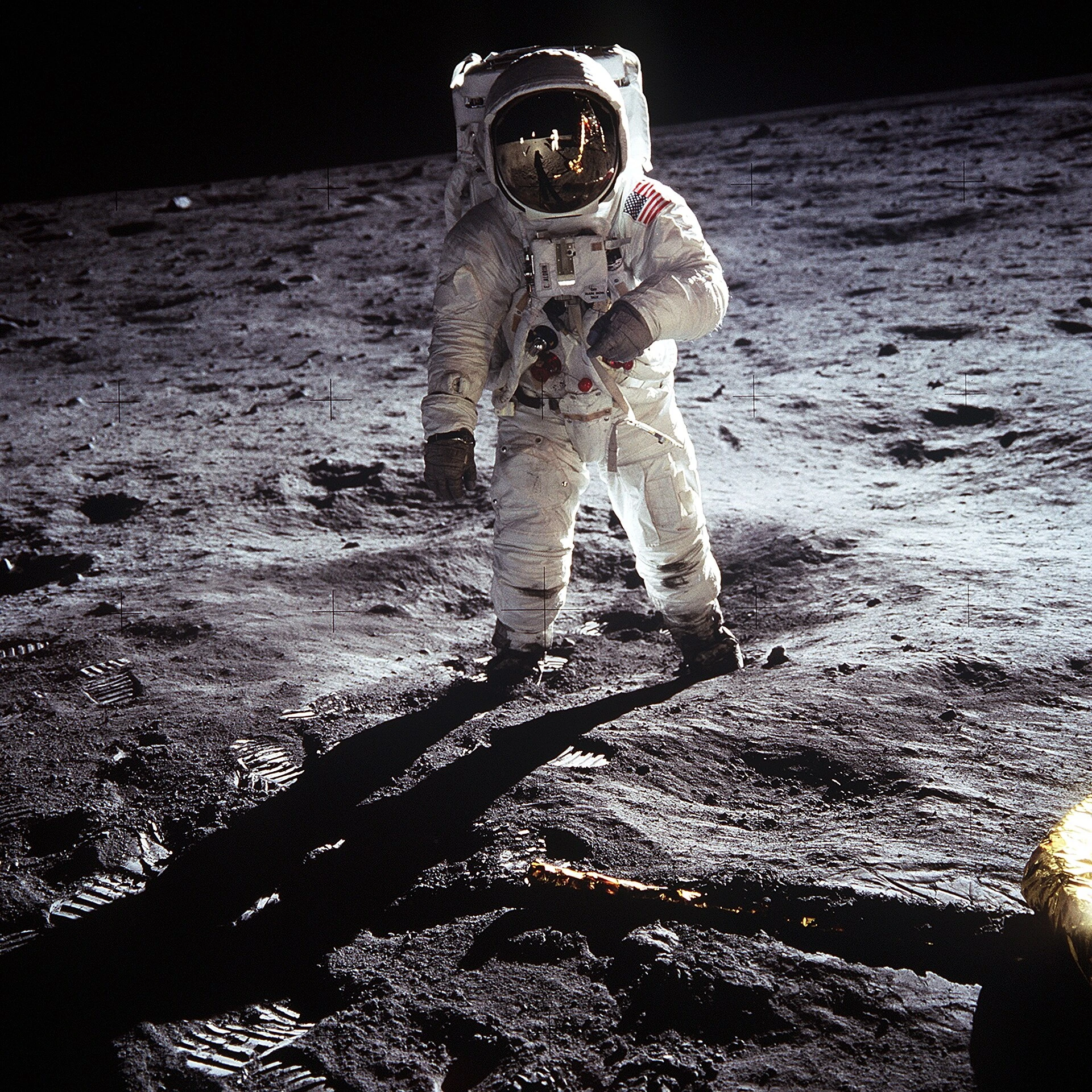
That lesson has new weight as NASA again works to return humans to the Moon through Artemis. The agency’s own Apollo history materials, from mission journals to production notes, keep circling back to the same fact: the first landing was never only a triumph of three men in a spacecraft, but of a national project built by hundreds of thousands of people whose names rarely reached the page.