Health
App notification reveals New York man’s stage IV kidney cancer
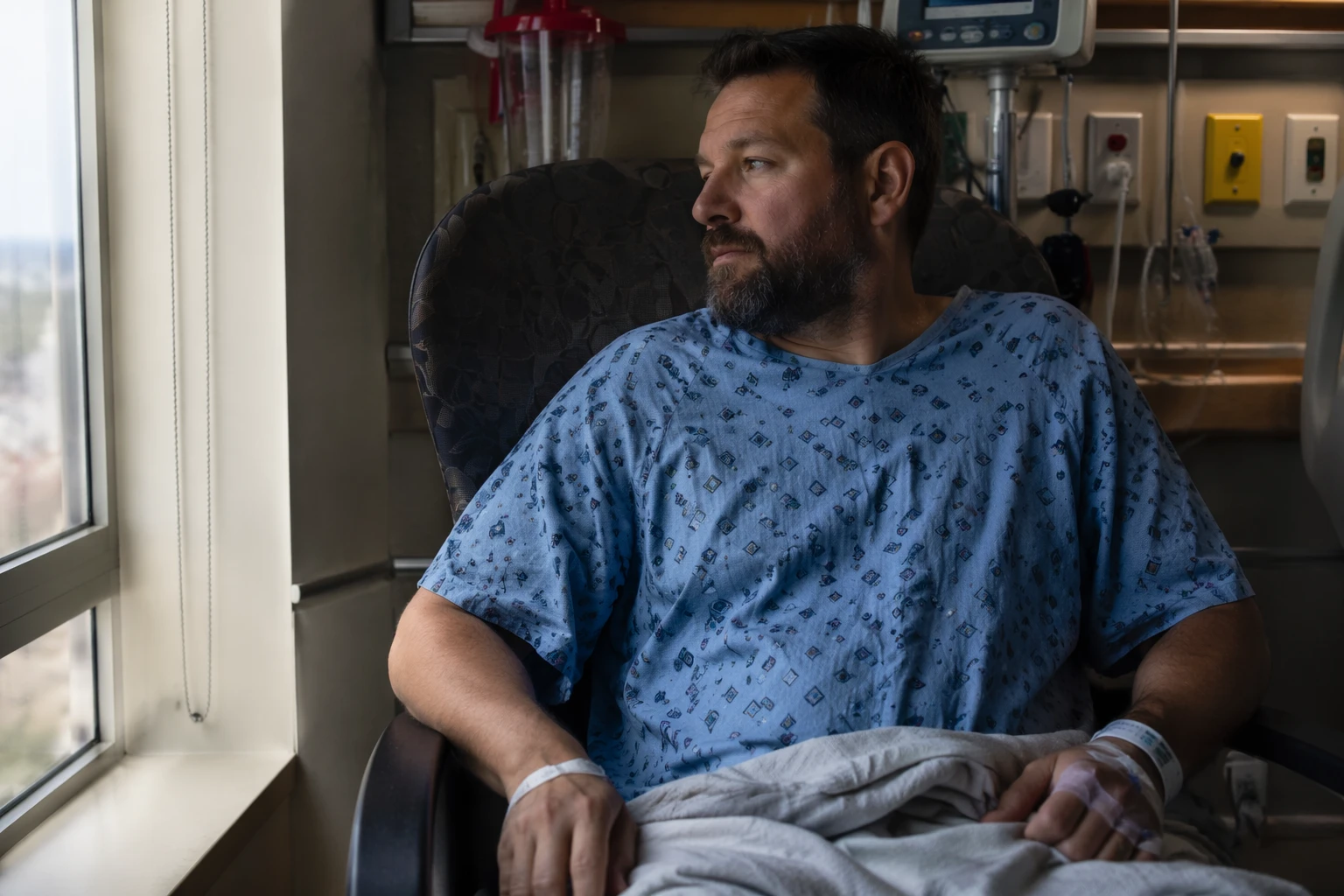
Joe Gillette thought he might be dealing with a lingering effect of COVID-19 when his morning commute suddenly turned double. The 57-year-old New York resident later learned that an online patient portal notification delivered on his birthday was warning of something far more serious: stage IV kidney cancer that had already spread beyond the kidney.
The first sign was subtle enough to be mistaken for something else. Gillette noticed he was seeing double out of one eye while driving, a symptom that prompted a doctor to send him to an eye specialist and order a brain scan. Even after the eye specialist said nerve damage in his right eye was causing the double vision, Gillette chose to keep the scan appointment, a decision that exposed how easily an unusual symptom can be explained away until imaging tells a different story.
The scan results appeared while he was out with his wife. The message said he had cancer tumors in the kidney, lung, brain and stomach. Gillette’s doctor confirmed stage IV kidney cancer, and further testing showed two tumors in his brain, plus tumors in his bones, lymph nodes, lungs and pancreas. A biopsy later confirmed that all of the tumors were metastases from the kidney.
His case shows the diagnostic blind spots that can delay cancer detection. Gillette said he had no symptoms until the double vision appeared, and he believed his caution after COVID-19 helped catch the disease earlier than it otherwise would have been found. He also said he had spent a decade volunteering with the American Cancer Society and understood the importance of a full workup, a background that may have pushed him to keep following through when the first explanation did not fully fit.
Dr. Martin Voss, a medical oncologist at Memorial Sloan Kettering Cancer Center in New York City who treats advanced kidney cancer, described the condition as dire and began Gillette on immunotherapy, followed by radiation and brain surgery. The surgery was complicated enough that Gillette was placed in a 10-week medically induced coma. After waking, he needed physical and occupational therapy, then more radiation, and later two years of immunotherapy, which he said caused no major side effects.

Kidney cancer is often dangerous precisely because it can stay quiet until it is advanced. The American Cancer Society says fewer than 20% of people with stage IV kidney cancer survive five years, a reminder that vague symptoms like double vision can become critical when they trigger fast referral, imaging and follow-up. Gillette’s story is also a reminder of how cancer advocacy and survival can intersect: the American Cancer Society honored Joseph Gillette of Brooklyn, New York, with its Volunteer Leadership Award in March 2022 and inducted him into the Relay For Life Hall of Fame in September 2023.
Sources
- [1]cbsnews.com
- [2]cancer.org
- [3]pressroom.cancer.org
- [4]acsresources.org
- [5]mskcc.org