US News
Appeals Court Blocks DOJ’s Emergency Arrest Request for Don Lemon, Church Protesters
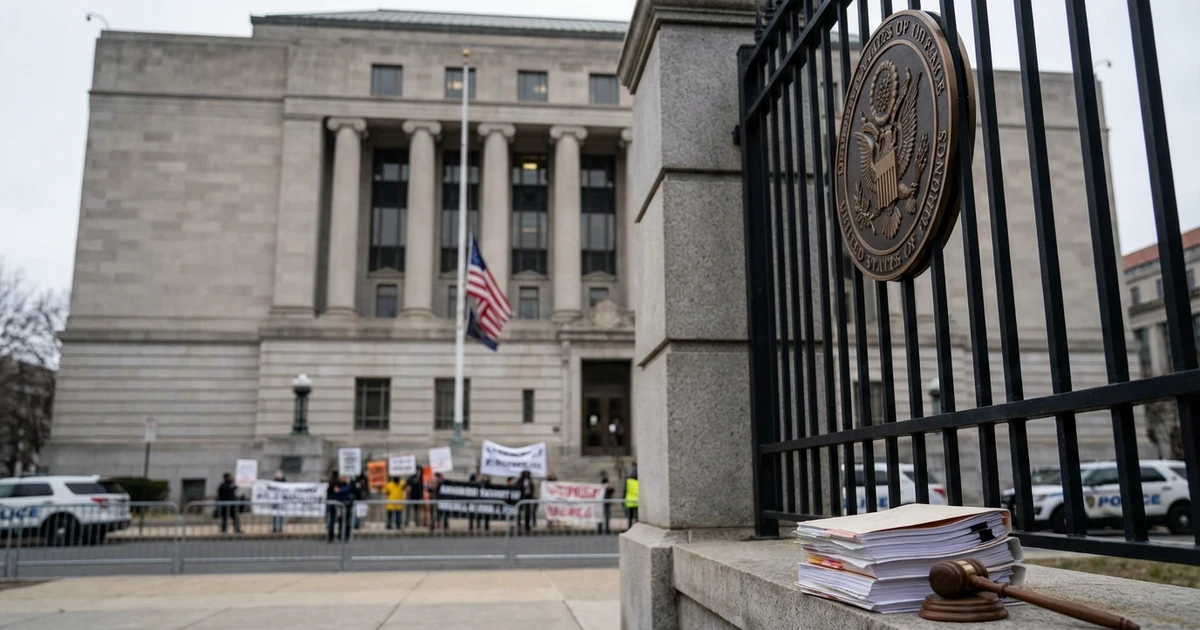
The ongoing legal battle over protests against Immigration and Customs Enforcement (ICE) took a pivotal turn as a federal appeals court rejected the Department of Justice’s (DOJ) emergency request to arrest prominent journalist Don Lemon and a group of church demonstrators. The decision, which comes amid heightened tensions between protestors and federal authorities, underscores the judiciary’s current stance on the controversial protest arrests.
Appeals Court Denies DOJ’s Emergency Arrest Bid
The DOJ moved swiftly to seek emergency arrest warrants for Don Lemon and church-affiliated demonstrators following a series of high-profile protests against ICE operations. According to reports, the protests have drawn national attention, with demonstrators organizing at various church locations to express opposition to recent immigration enforcement actions.
In a significant legal development, the appeals court’s rejection of the DOJ’s request signals judicial hesitation to escalate law enforcement measures during ongoing proceedings. The court’s decision means that, for now, neither Lemon nor the church demonstrators will face arrest stemming from their recent protest actions.
Context: Church Demonstrations and ICE Protests
Churches have increasingly become sites of activism, with faith-based groups and public figures joining forces to speak out against immigration raids and policies. Don Lemon’s involvement brought additional visibility to the demonstrations, intensifying media and public scrutiny. While the DOJ argued that immediate arrests were necessary to maintain order and enforce federal law, the court’s ruling highlights the complexities in balancing protest rights and law enforcement priorities.
- Protesters have staged several peaceful demonstrations at churches in Minnesota and other states.
- Federal and state judges have repeatedly declined to issue arrest warrants for protest participants.
- The DOJ’s emergency appeal represented an escalation in the government’s response to these protests.
Judicial Trends: Ongoing Rejection of Arrest Warrants
The appeals court’s decision aligns with a recent pattern among judges in Minnesota and elsewhere, who have continued to reject arrest warrants for individuals involved in ICE protests. This trend reflects a broader judicial reluctance to criminalize protest activity, especially when it involves prominent figures and faith-based organizations. Legal analysts note that such decisions could set important precedents for future protest-related legal actions.
Implications and Next Steps
With the emergency arrest bid denied, the DOJ faces a setback in its efforts to curtail church-based demonstrations. The ruling may embolden protest organizers and further complicate the government’s enforcement strategy. Observers will be watching closely to see whether the DOJ pursues alternative legal avenues or seeks to negotiate with demonstrators to resolve the ongoing tensions.
The case also raises critical questions about the role of high-profile individuals like Don Lemon in protest movements and the legal limits of federal authority during times of civil unrest. As the situation develops, both sides are likely to seek additional court guidance on the scope of permissible protest activity and the government’s enforcement powers.
Looking Ahead: Legal and Social Impact
The appeals court’s ruling is being hailed by civil liberties advocates as a victory for protest rights and due process. However, the DOJ’s commitment to enforcing federal law suggests that the legal battle is far from over. With national attention focused on church protests and immigration policy, the outcome of this case could have ripple effects for future demonstrations across the country.
For readers interested in ongoing updates, refer to the official Department of Justice press releases and monitor the federal court records for further developments.
Sources
- [1]Politico