Politics
Appeals panel leaves Trump mail voting restrictions blocked for now
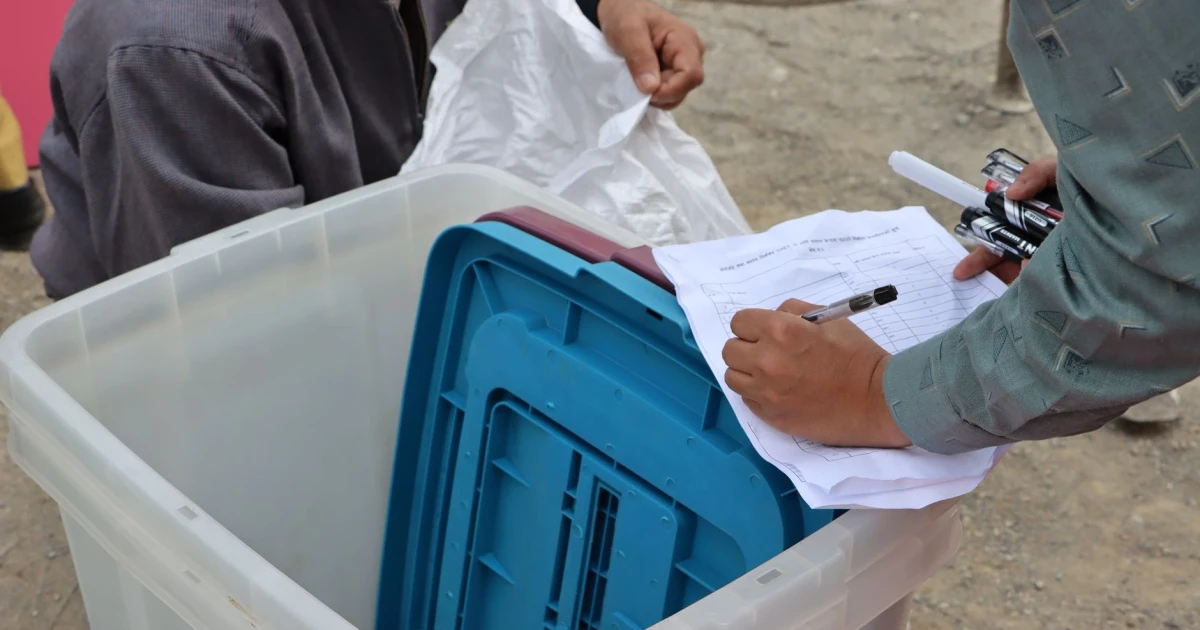
A federal appellate panel on July 28 declined to clear President Donald Trump’s mail-voting restrictions for use before the midterms, leaving election officials with a narrow but consequential legal distinction: the order was not revived, but its ultimate fate was not decided.
The panel’s action followed a July 26 ruling by the 1st U.S. Circuit Court of Appeals that upheld a lower-court block on Trump’s executive order in 23 states that sued over it. In those states, the administration’s restrictions cannot take effect while the litigation continues. Outside that group, the legal picture remains unsettled, and the Supreme Court may be asked to settle it next.
The Trump administration moved quickly. On July 27, it asked the U.S. Supreme Court to clear the way for the order, which was issued in March 2026 and is designed to limit delivery of mail ballots to people on a federal eligibility list. The filing is part of a broader push by Trump and his allies to impose new limits on voting before the 2026 midterms, when control of the House and Senate is at stake.

The order has already run into repeated judicial resistance. The ACLU of Massachusetts said a federal court allowed a challenge to proceed on June 18, and Votebeat reported on June 25 that a federal judge blocked key pillars of the directive. Voting-rights groups have argued that the order is unconstitutional, unlawful and a threat to voter access. The Brennan Center for Justice warned that it would “wreak havoc on elections” and harm voters, while the ACLU has said the directive could allow federal agencies and the U.S. Postal Service to participate in a system that restricts mail ballots.
For election administrators, the immediate issue is procedure, not theory. Counties need lead time to print absentee ballot materials, train workers and brief voters. In the 23 states covered by the appellate block, officials do not have to rewrite mail-voting rules for now. Elsewhere, the uncertainty remains a practical burden because one Supreme Court order could change what election offices tell voters, how they process ballots and how they train staff.
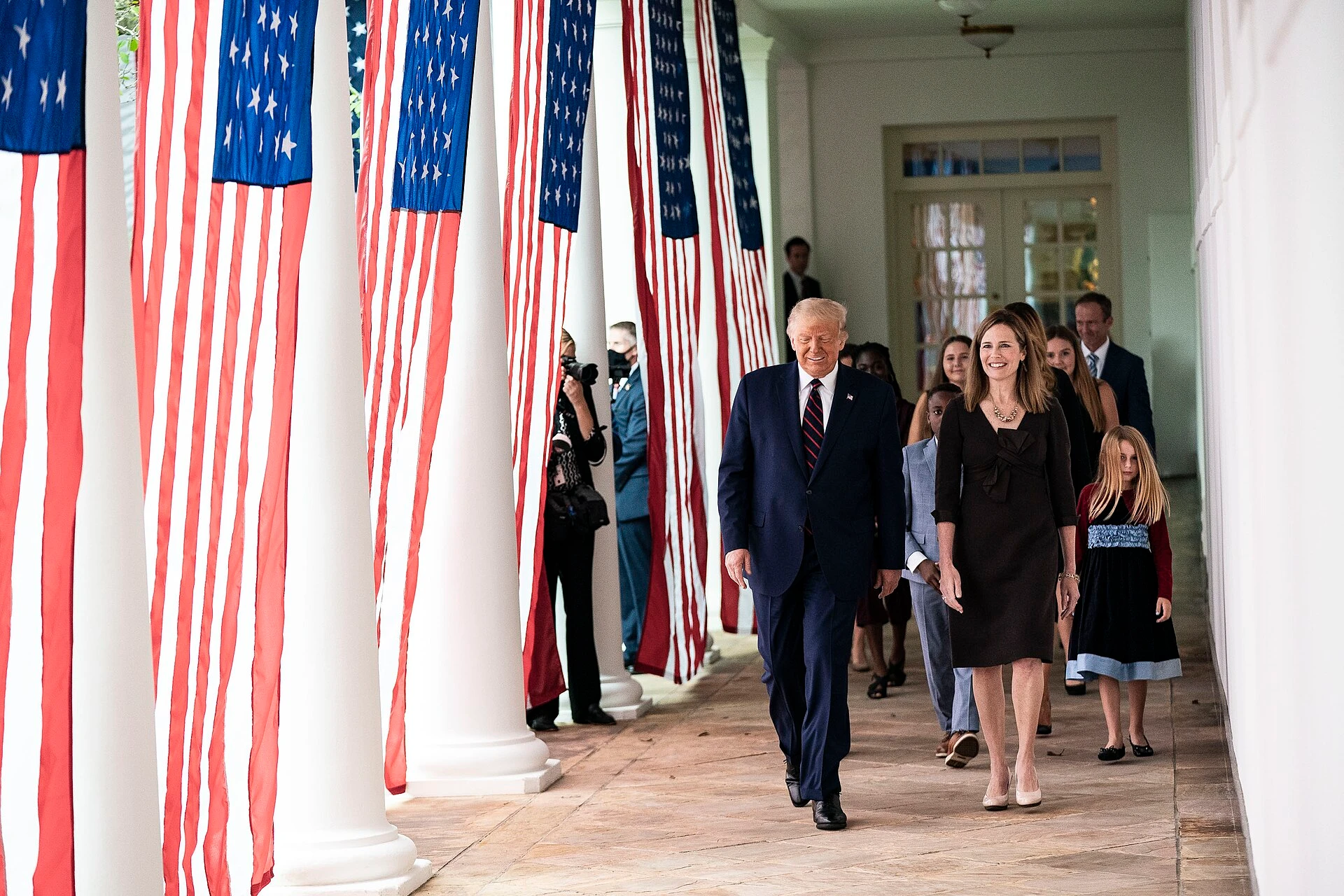
The case has become one of the most closely watched election-law fights heading into November. The appellate panel did not answer whether Trump’s order can survive final review, but it kept the restrictions from taking hold in the states that challenged them, preserving the status quo while the next courtroom fight moves higher.
Sources
- [1]apnews.com
- [2]cbsnews.com
- [3]abcnews.com
- [4]pbs.org
- [5]washingtonpost.com
- [6]aclum.org
- [7]votebeat.org
- [8]brennancenter.org
- [9]aclu.org
- [10]scotusblog.com
- [11]media.cadc.uscourts.gov
- [12]news.northeastern.edu