Technology
Apple adds expressive Siri controls for speed and voice style

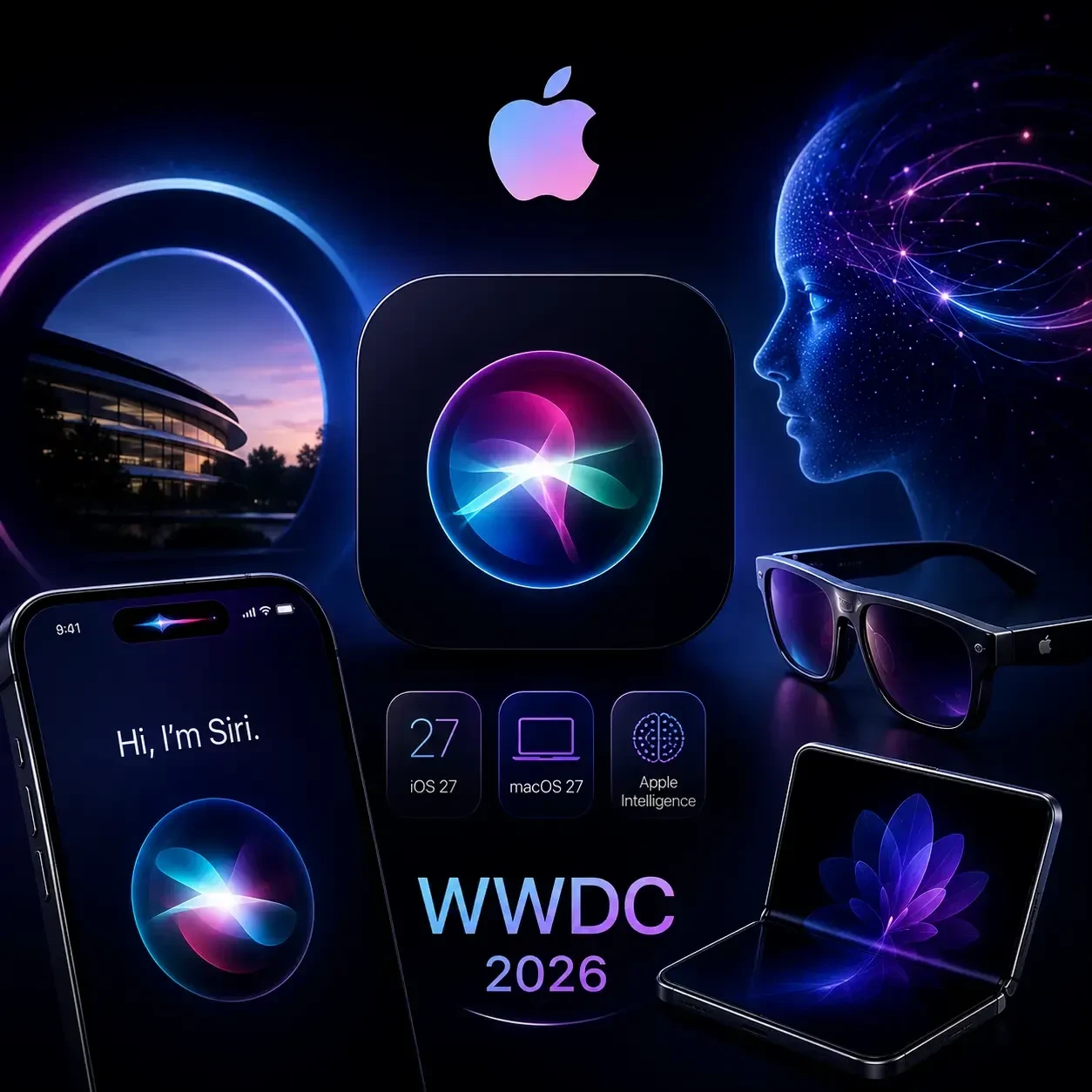
Apple is giving Siri users direct control over how quickly the assistant speaks and how expressive its voice sounds, extending a setting that has existed in simpler form since iOS 17. The new controls sit inside Apple’s Siri AI overhaul, which the company previewed at WWDC26 in June 2026 and said would begin beta testing later this year.
Apple says Siri AI is powered by Apple Intelligence, includes a dedicated Siri app, and is designed for more natural back-and-forth conversation, richer answers and systemwide dictation improvements. The company also says Siri AI will be available in English later in 2026, and its public iOS 27 pages point to a fall 2026 release. For Apple, the pitch is not just a nicer synthetic voice. It is a more adjustable assistant that can be shaped to match how different people listen and speak.

That matters for accessibility as much as convenience. Since iOS 17, users have been able to change Siri’s speaking rate through Settings > Accessibility > Siri, sliding the voice faster or slower, and that preference carries over to paired Apple Watch and CarPlay. Apple’s accessibility push in May 2026 also expanded well beyond Siri, with new features for VoiceOver, Magnifier, Voice Control and Accessibility Reader. The new Siri controls build on that path by treating pace and tone as user settings, not fixed defaults.
Early developer feedback suggests the rollout may not look identical across devices. A post on Apple Developer Forums said the advanced configuration sliders for the new expressive Siri voices were hidden or disabled on devices below an 8GB RAM threshold in the initial iOS 27 beta. That points to a familiar tension in consumer AI: the most sophisticated features often land first on higher-end hardware, even when they are marketed as broadly personal and accessible.

The broader competition is moving in the same direction. Tech companies are racing to make assistants feel more human, with more nuanced speech and more conversational responses, because that is what keeps users engaged. It also means more intimate voice-behavior data, from speaking pace to how people phrase requests, becomes part of the product loop. Apple’s latest Siri changes put that tradeoff in plain view, with accessibility and personalization on one side and a deeper, more data-rich assistant on the other.
Sources
- [1]techcrunch.com
- [2]apple.com
- [3]support.apple.com
- [4]developer.apple.com