Technology
Apple aims to unveil privacy-first smart glasses at WWDC 2027

Apple is planning to unveil its first smart glasses at WWDC next June, with a launch now expected by the end of 2027. The delay appears tied in part to getting the privacy features and messaging right, a signal that Cupertino is trying to enter a category defined as much by social discomfort as by hardware.
The glasses are being framed as a direct challenge to Meta’s Ray-Ban line, which first launched in 2021 and has faced repeated scrutiny over privacy and user data. Reuters described those glasses as facing a privacy and competition test, and BBC News went further, calling smart glasses “an invasion of privacy” even as major technology companies are poised to sell many millions of pairs in the coming years.
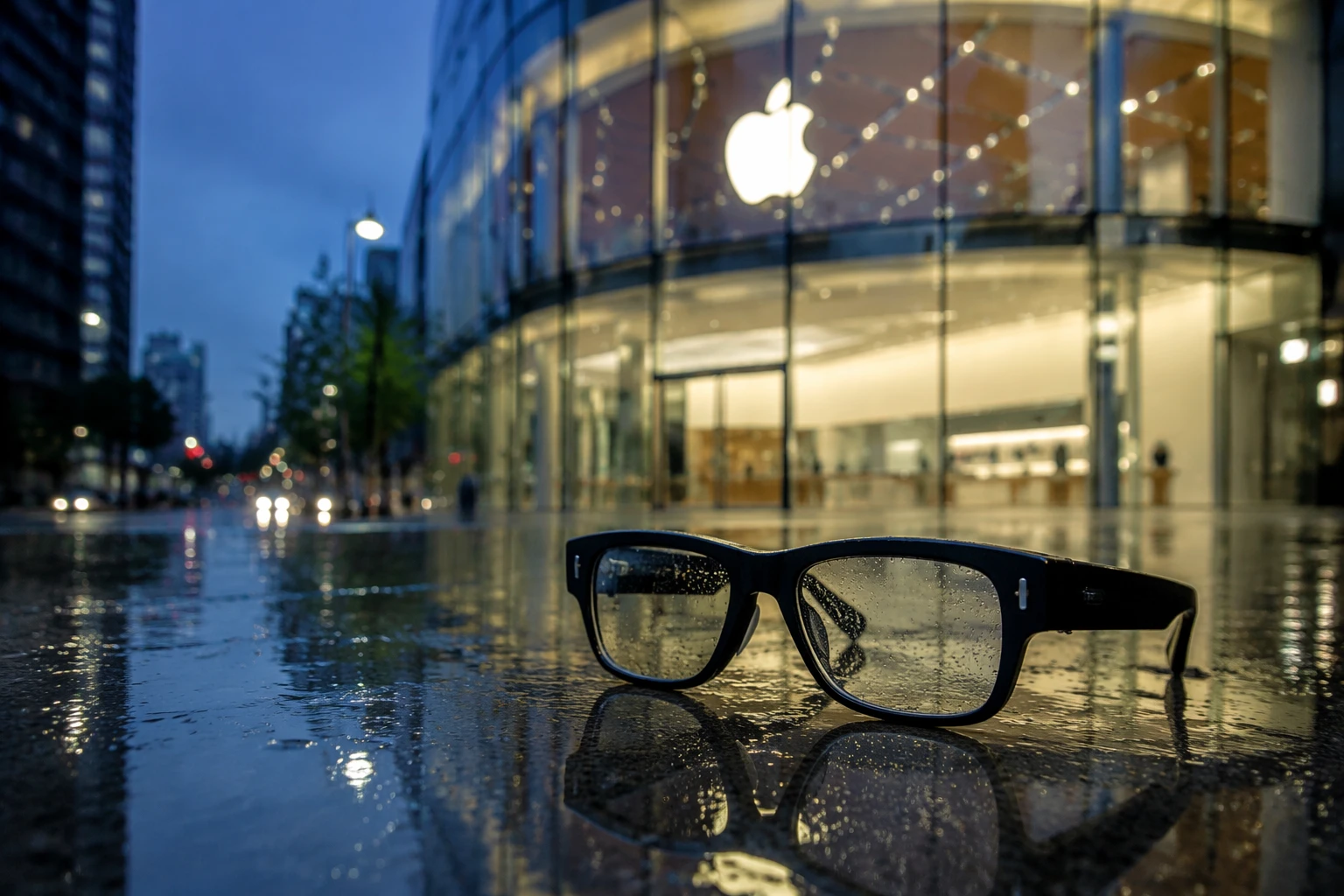
That tension is exactly where Apple appears to be positioning itself. Rather than sell smart glasses as another camera-equipped wearable, the company is expected to lean on privacy as the product’s defining feature, hoping that message will distinguish it from Meta’s Menlo Park, California, hardware. The gamble is that consumers, regulators and bystanders will treat Apple’s version differently if the company can make its safeguards more visible and more convincing.
Apple is also testing multiple design concepts, with Bloomberg-linked reporting saying the glasses are internally code-named N50. The product sits inside a broader wearable roadmap that could also include display-less smart glasses, AirPods with cameras and a wearable AI pendant, but that wider plan depends on a revamped Siri powered by AI. Without that software reset, the hardware roadmap risks arriving before Apple’s assistant is ready to carry it.
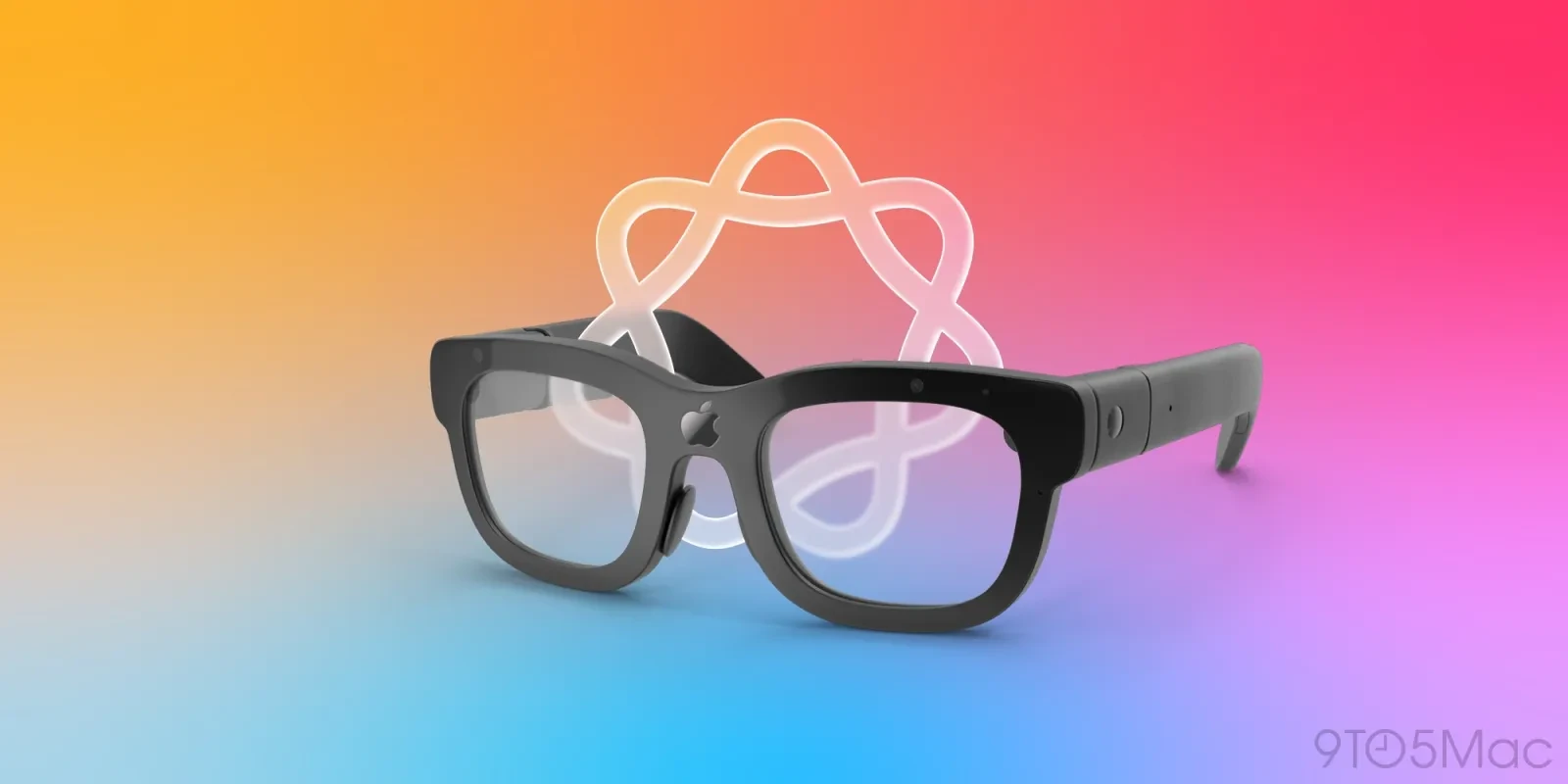
The company’s strategy also reflects the gap between its current headset business and the lighter products that have gained more traction in the market. Apple already sells Vision Pro, but the bulk of consumer attention has gone to smaller glasses that look more like everyday eyewear than a mixed-reality helmet. For Apple, the question is whether privacy can become the feature that makes smart glasses acceptable, rather than simply less unsettling.
Sources
- [1]theverge.com
- [2]macrumors.com
- [3]cultofmac.com
- [4]reuters.com
- [5]theconversation.com
- [6]bbc.com
- [7]youtube.com
- [8]gizmodo.com
- [9]tech.yahoo.com