World
Apple and EU clash over delayed Siri AI rollout in Europe

Apple’s decision to hold back its upgraded Siri AI in the European Union has become a test case in how far Big Tech can blame regulation for product delays. Brussels says the company asked for an 18-month exemption from interoperability obligations and lost, while Apple says the bloc’s rules made it too risky to ship the feature as designed.
Apple said on June 8 that Siri AI would miss the launch of iOS 27 and iPadOS 27 in the EU, even though it would still be available to users in the bloc on macOS 27 and visionOS 27. The company linked the delay to the Digital Markets Act, arguing that interoperability requirements for iOS and iPadOS complicated the release of new AI features. Apple also said it had proposed an EU-specific solution months earlier, including an intermediary system to let third-party assistants access Siri AI safely, but that the Commission did not accept the plan.
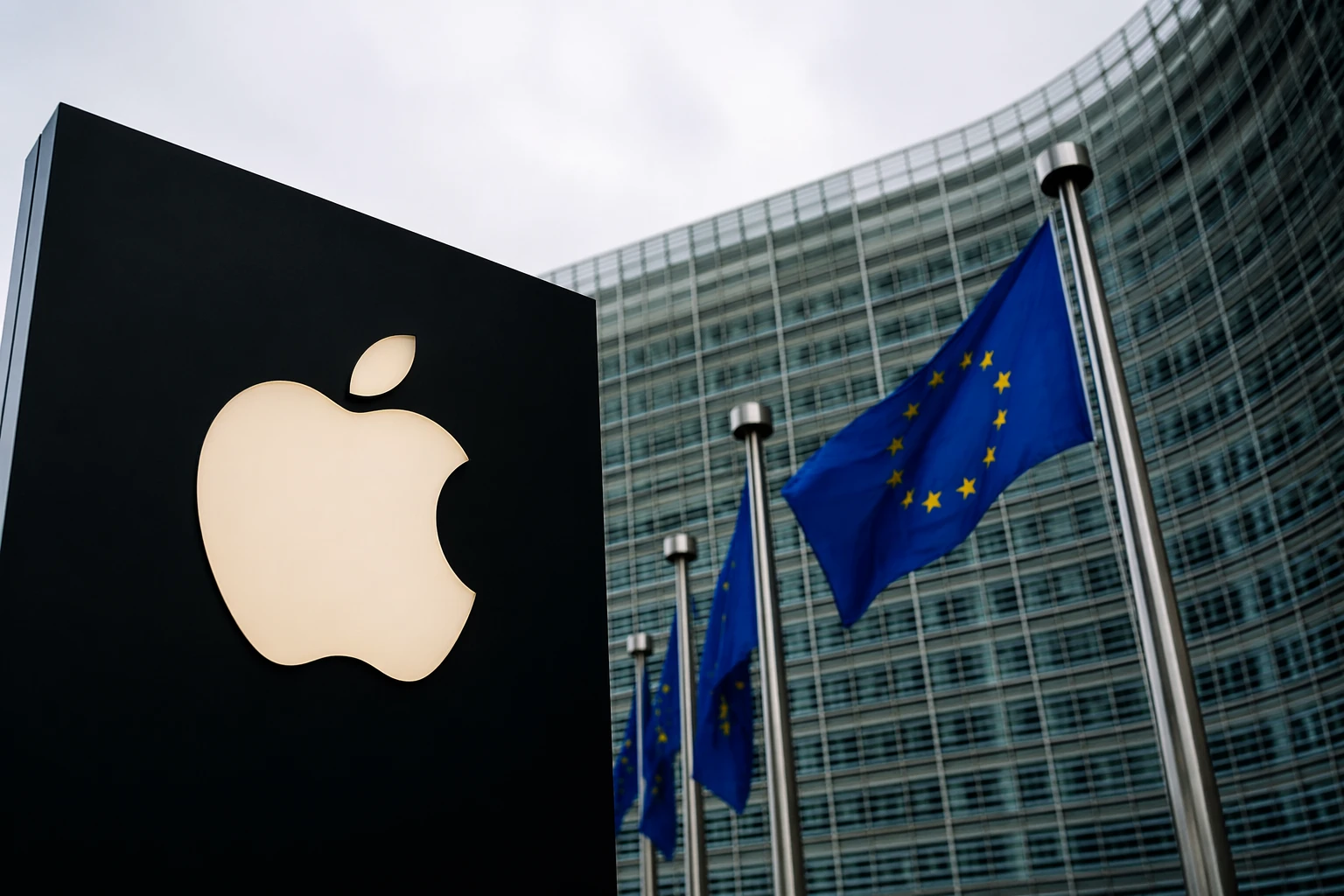
The European Commission flatly rejected Apple’s framing. Thomas Regnier, the Commission spokesperson, said the decision not to launch Siri AI in the EU was Apple’s alone. The Commission also said nothing in the Digital Markets Act prevents Apple from introducing new products in the bloc. Under Article 6(7), gatekeepers must provide developers and businesses with free and effective interoperability with hardware and software features controlled by iOS and iPadOS.
This dispute reaches beyond one assistant. Apple warned that virtual assistants can touch virtually all communications on a user’s device, and said broader interoperability could expose users to unacceptable privacy and security risk. At the same time, the company said the same DMA rules had already forced delays to iPhone mirroring to Mac, live translation with AirPods and location-based features in Maps, making Europe look more and more like a separate product market with its own launch timetable.
The regulatory backdrop is already in place. The Commission opened specification proceedings on Apple’s interoperability obligations on September 19, 2024, then issued a decision on March 19, 2025 setting out measures Apple must implement for iOS and iPadOS interoperability. Reuters reporting said Europe accounted for nearly 27% of Apple’s total sales in the last fiscal year, which gives the standoff unusually high commercial stakes. Apple has also criticized the DMA before and called for it to be repealed in 2025, underscoring that the fight over Siri AI is really about who gets to define the balance between competition, security and control in the next phase of AI deployment.