Technology
Apple code hints financed iPhones could enter restricted mode

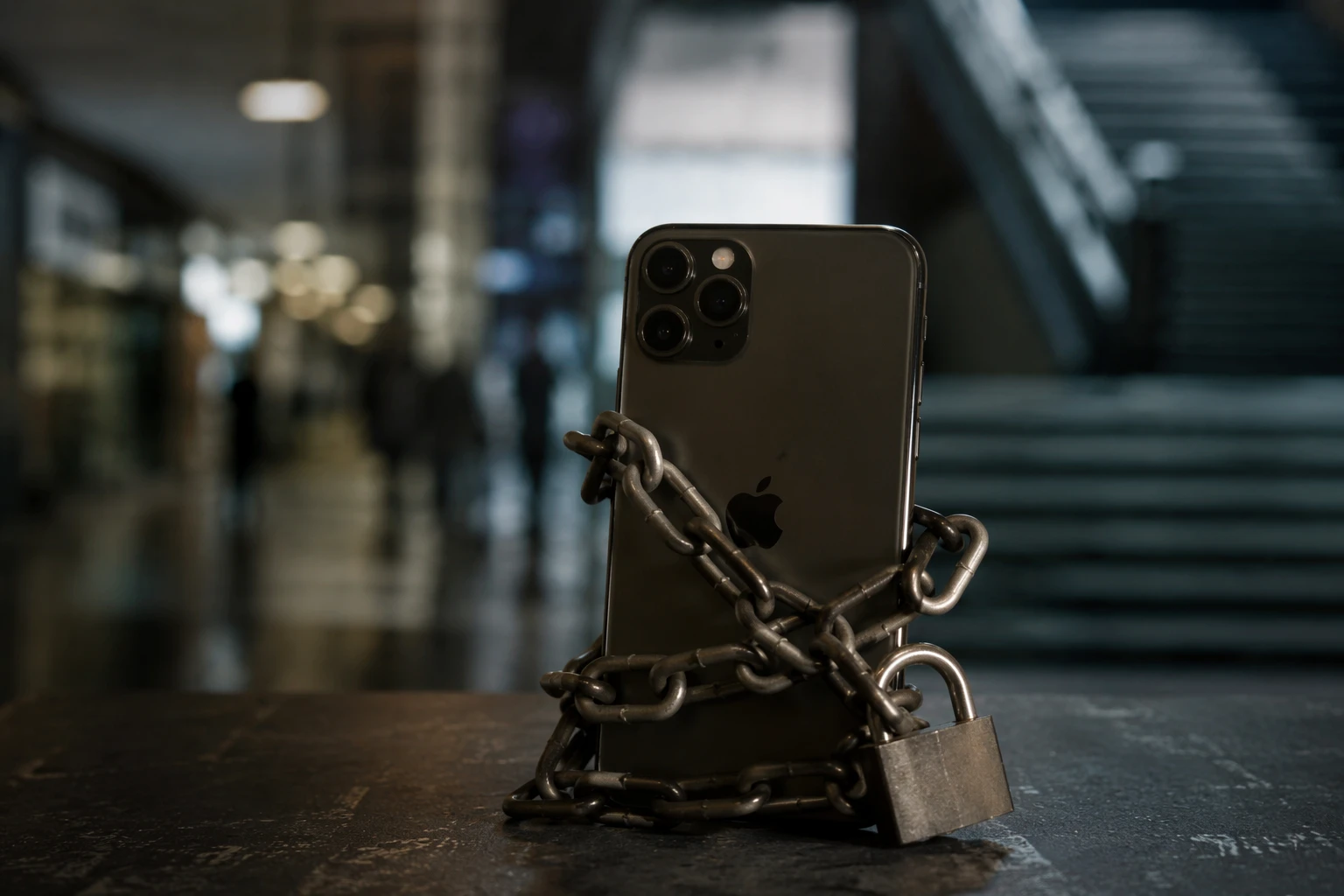
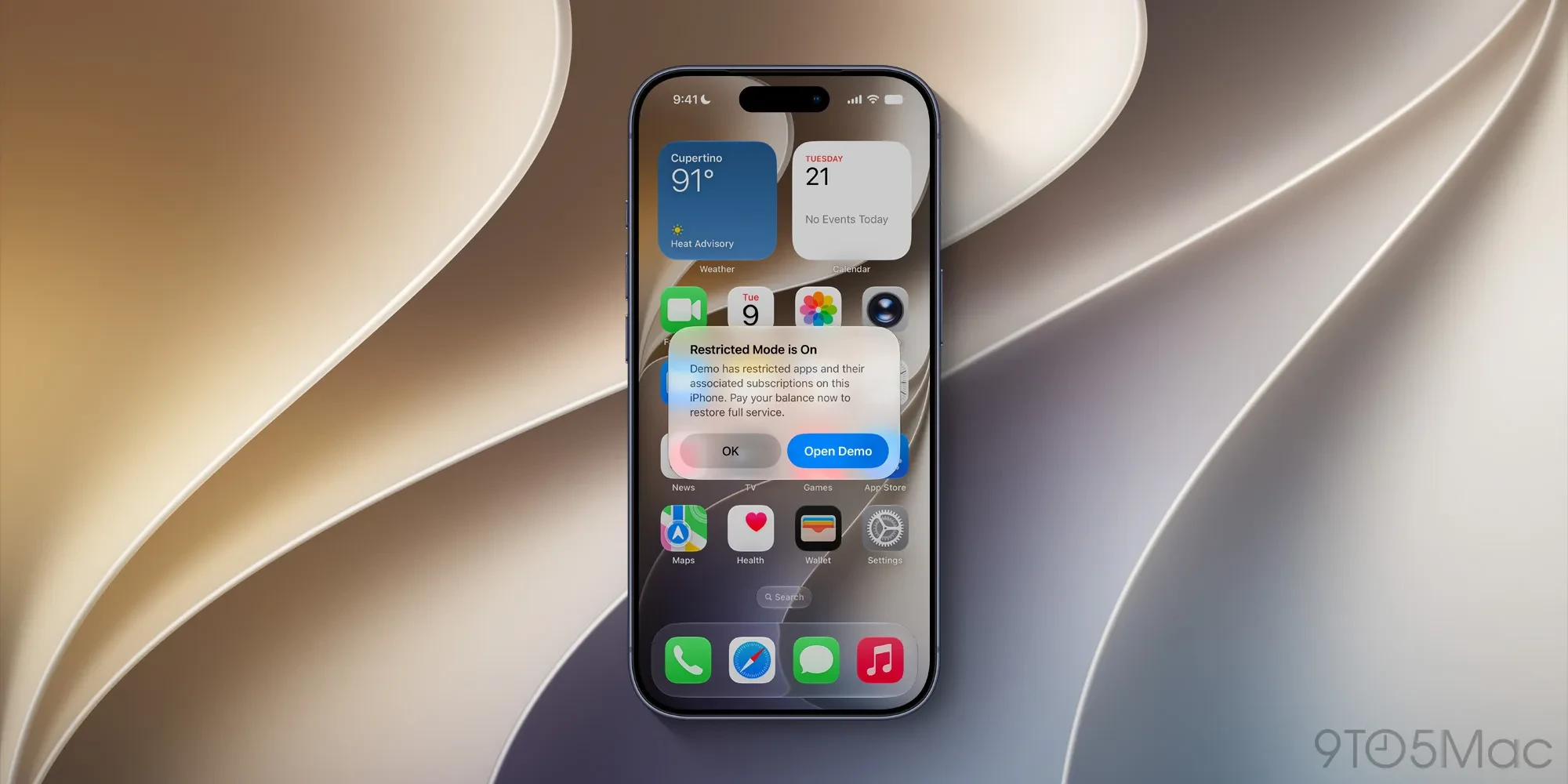
Code in an iOS 27 beta suggests Apple could put financed iPhones into Restricted Mode after missed payments, a move that would leave basic functions intact but cut off most apps and services. The leak points to a phone that would remain physically in a buyer’s hand while its software access is controlled by the company or a financing partner.
The same code reportedly references a Partner Finance Lock that would also stop users from erasing or reselling a device in Restricted Mode. That detail matters because resale is often how consumers recover part of a phone’s value, and a lock tied to missed payments would turn a handset into collateral in a much more literal way. It also raises the question of who decides when a payment is late, what notice a customer gets, and whether there is any appeal before a device is partially disabled.
Apple is already moving deeper into financing. It still offers Apple Card Monthly Installments and iPhone Installments/Payments online, and its Apple Card Monthly Installments support page says eligible products can be financed at 0% APR. Apple’s Apple Cash support page also says accounts may be restricted or locked for fraud prevention, security, or regulatory compliance reasons, showing that the company already uses account-level controls in some contexts. Extending that logic from money accounts to the phone itself would give Apple or its finance partners a stronger hand over a device after the sale.
The timing adds weight to the question. Apple has ended its in-house buy now, pay later program in the United States and shifted to payment plans through third-party lenders, while it has also been linked to an Apple Upgrade device-leasing program with Klarna. That makes the relationship between Apple, lenders and customers more complex, especially if missed payments can trigger software restrictions on the hardware people rely on every day.
The consumer-finance backdrop is already bruised. In October 2024, the Consumer Financial Protection Bureau ordered Apple and Goldman Sachs to pay more than $89 million over Apple Card failures. A system that can remotely restrict a financed iPhone would invite the same scrutiny around due process, error resolution and the right to keep using a device that has already been sold and placed into circulation.
Sources
- [1]theverge.com
- [2]9to5mac.com
- [3]bloomberg.com
- [4]straitstimes.com
- [5]bbc.com
- [6]support.apple.com
- [7]apple.com
- [8]consumerfinance.gov
- [9]forums.appleinsider.com