Business
Apple lobbies Trump administration to buy chips from blacklisted Chinese firm
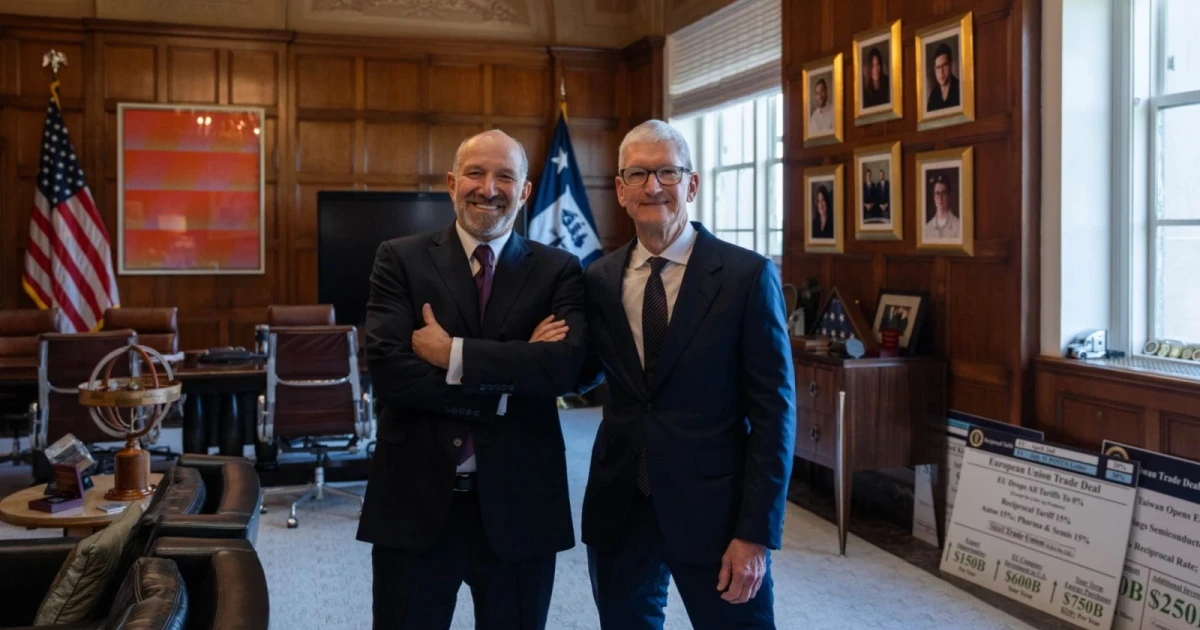
Apple lobbied the Trump administration for clearance to buy memory chips from ChangXin Memory Technologies, a Chinese supplier the Pentagon has blacklisted. The company approached the Commerce Department more than a month ago and also reached out to other administration officials and allies in Washington as memory and storage prices climbed.
The pressure from the chip market reached Apple’s own product line on June 25, when the company raised prices on iPads and MacBooks after concluding it could no longer absorb soaring component costs. The move tied a procurement fight in Washington to a direct consumer consequence: higher prices on some of Apple’s most important devices.
ChangXin sits at the center of that dispute because the Pentagon has designated it a Chinese military company, and the Commerce Department has placed it on the Entity List. That status bars U.S. companies from shipping goods, software or technology to the firm without a license that is likely to be denied. For Apple, that creates a national-security obstacle just as the company is looking for more supply in a market where memory chips have become more expensive.
The price shock has been driven in part by demand from artificial intelligence data centers, which have absorbed manufacturing capacity and tightened supply for consumer electronics makers. Apple has tried to protect margins by adjusting pricing, but the company’s request shows how limited its options have become when the cheapest or most available input may sit behind a U.S. blacklist.
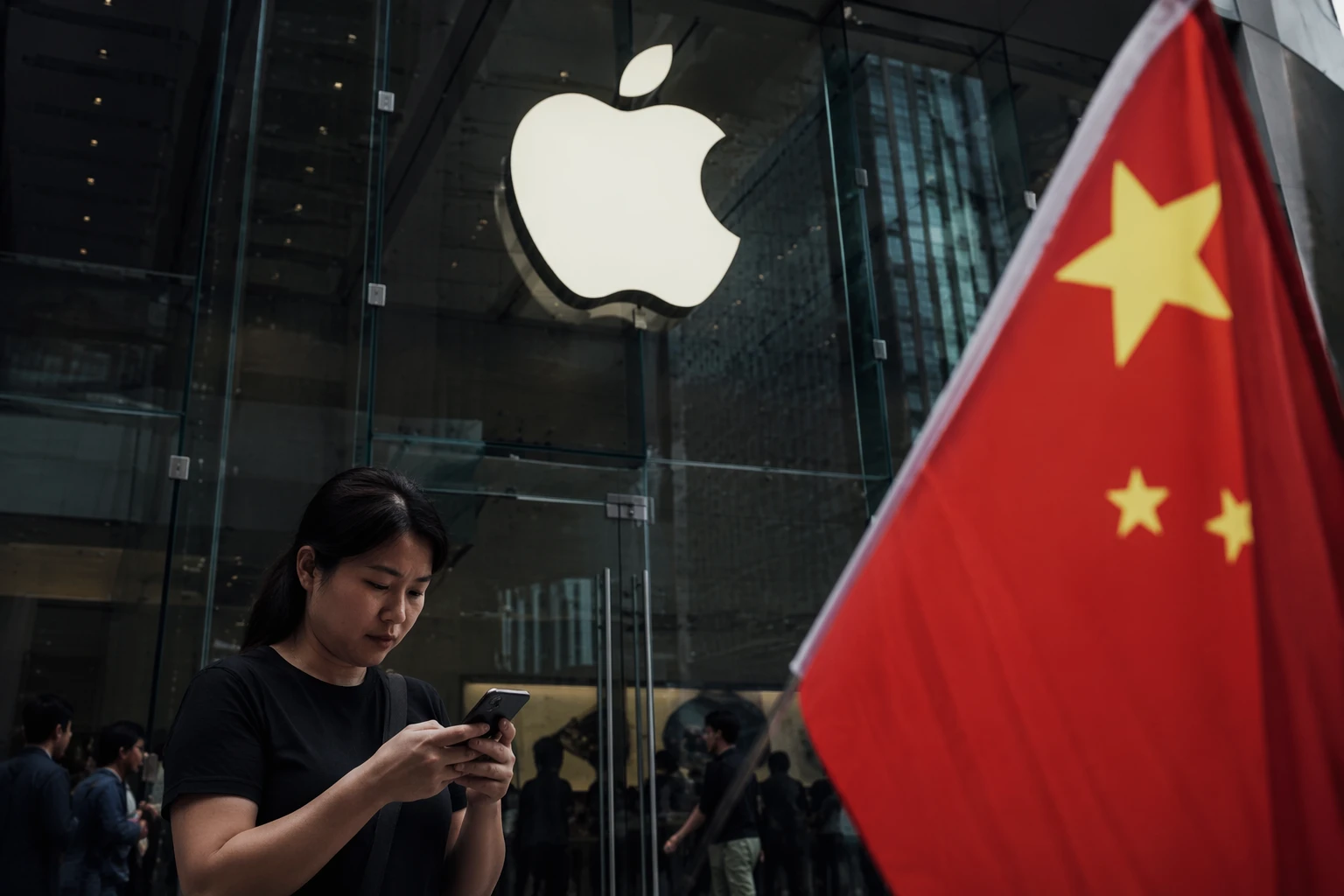
An approval would mark a notable exception in Washington’s China-tech restrictions. It would signal that even one of America’s largest and most politically visible companies may still seek access to Chinese semiconductor supply when alternatives are costly or insufficient. It would also set a precedent for other U.S. firms that depend on tightly constrained parts markets and are facing the same trade-off between security policy and supply-chain reality.
A denial would leave Apple with fewer ways to ease the pressure, forcing the company to keep passing costs through to customers or to redraw parts of its sourcing strategy. Either outcome underscores the same conflict: U.S. industrial policy is tightening around China, while flagship American technology companies still depend on Chinese manufacturing inputs when the market gets tight.