Technology
Apple MacBook Air supply squeezed as memory chip shortage deepens
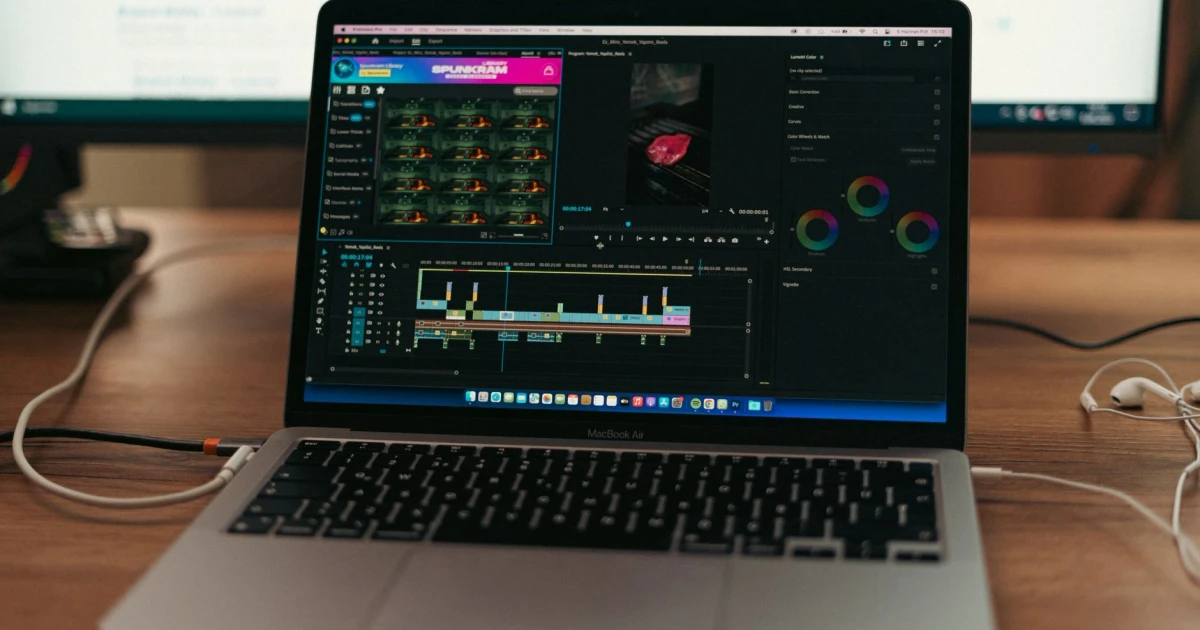
Apple warned that supply constraints would hurt growth and leave its sales forecast for the quarter ending in September below Wall Street expectations, a sign the memory-chip crunch had reached consumer laptops as well as data centers. The 13-inch MacBook Air with Apple’s M4 chip, a 2025 model, has become a clear case study in how the shortage is showing up in everyday buying decisions.
Apple raised MacBook and iPad prices in June after saying memory chip costs had climbed at an “unsustainable” pace, with the pressure tied to the artificial intelligence boom. The increases went live on Apple’s online retail store globally, and Apple did not raise prices on the iPhone, Apple Watch or AirPods, showing how concentrated the strain was in product lines that depend more heavily on memory.
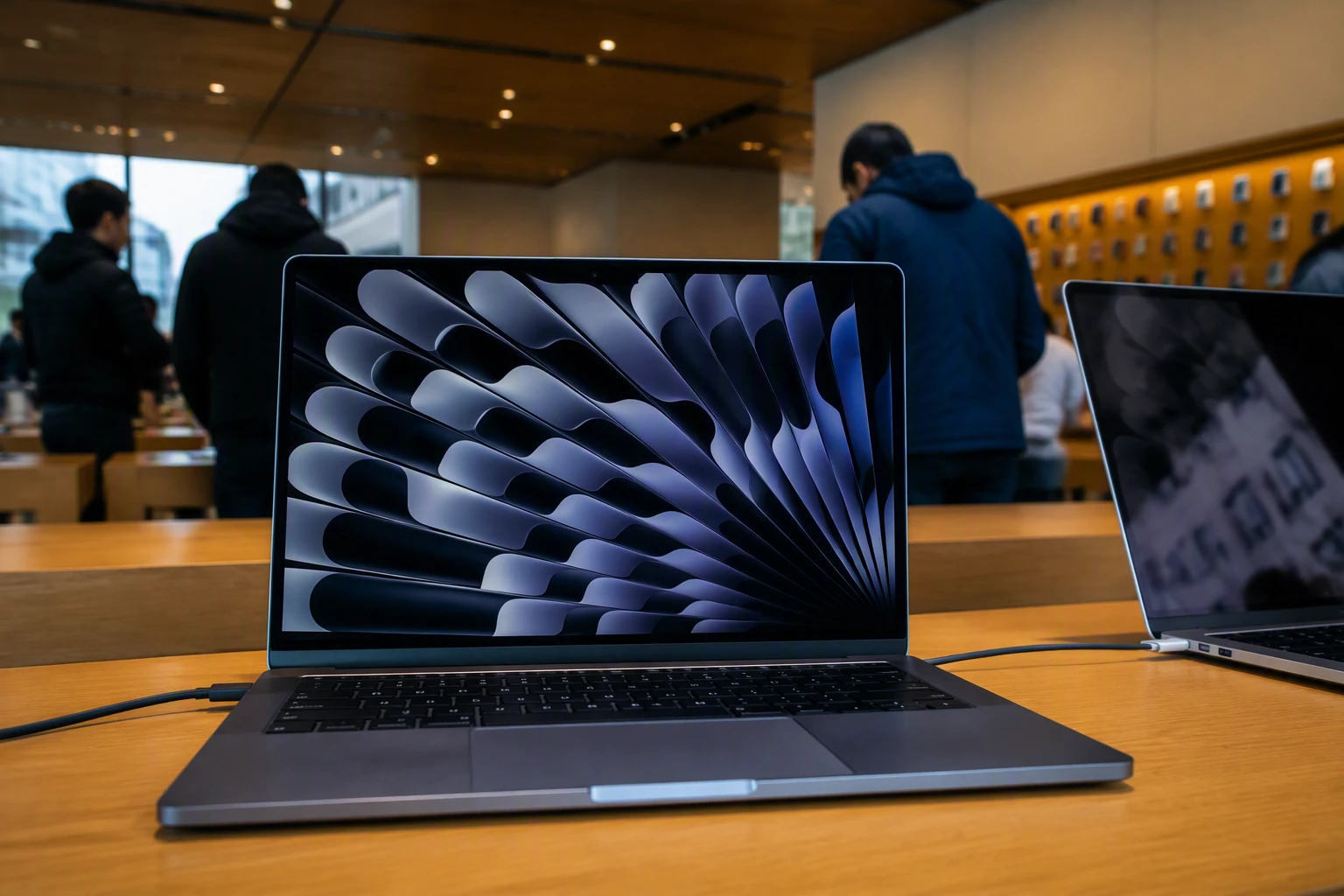
The market reaction was swift. Apple’s June price increase wiped $263 billion off its market value in a single day, and the company fell again after its July 31 warning that supply constraints and rising memory costs were weighing on the outlook. For a company with Apple’s scale and pricing power, the response was a reminder that customers can absorb only so much hardware inflation before upgrade plans start to slip.

The shortage is rooted in AI demand that has pulled memory into servers and high-bandwidth memory production, where suppliers are racing to keep up. SK Hynix warned on July 11 and 12 that 2027 could be the worst year for the memory shortage and said demand may outstrip supply through 2030, extending the pressure well beyond a normal product cycle. That timeline raises the risk that Mac buyers, along with enterprise CIOs, will face higher hardware costs and longer refresh cycles for several years.


Apple has also been adjusting its supply chain around the pressure points. Broadcom secured a chip partnership with Apple through 2031 on July 6, signaling how far ahead the company is locking in key component relationships. In early July, Apple’s interest in Chinese memory suppliers was interpreted less as a clean switch and more as a signal that it wanted the market to see it shopping for alternatives. For the MacBook Air, the result is a sharper link between AI-driven component scarcity and the price of an everyday upgrade.
Sources
- [1]techcrunch.com
- [2]reuters.com
- [3]straitstimes.com
- [4]finance.yahoo.com
- [5]support.apple.com
- [6]cnbc.com