Technology
Apple rethinks Siri on Mac with conversational AI in macOS 27
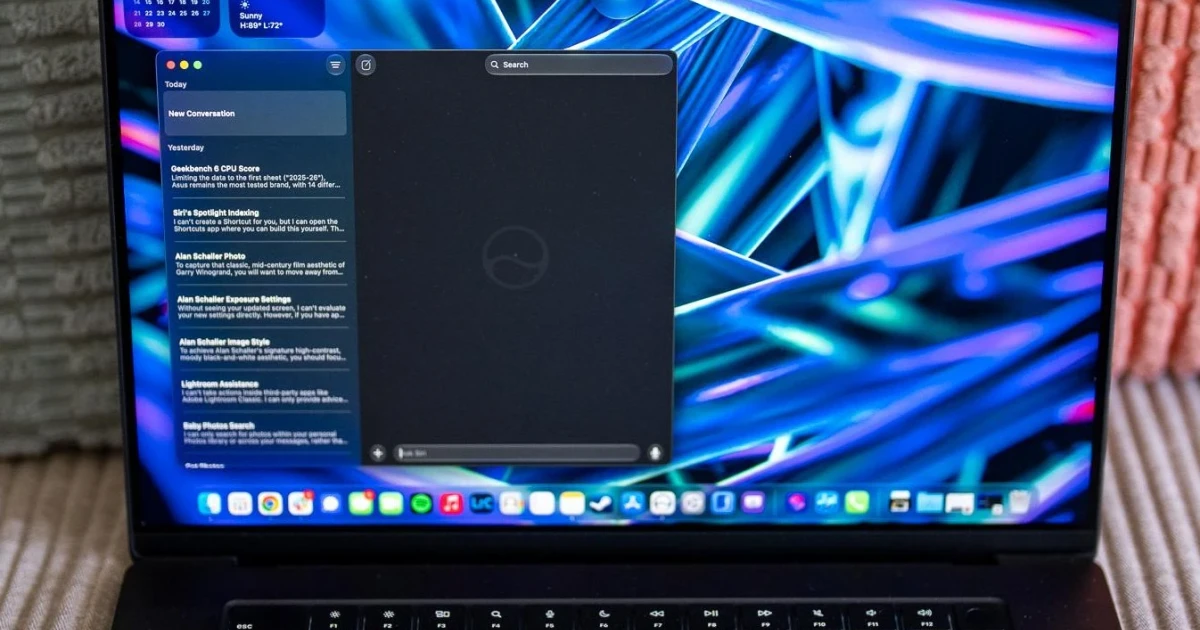
Apple is trying to sell a simple but ambitious idea: Siri on the Mac should finally feel useful in daily work, not like a novelty that appears only when someone remembers to click the glowing icon. The company says the new Siri AI in macOS 27 Golden Gate is a completely reimagined assistant built on the next generation of Apple Intelligence, with richer answers, more natural conversation, a dedicated app, and Spotlight integration. That pitch matters because the gap between AI marketing and actual value has been the defining weakness of consumer AI, and Apple is now asking Mac users to believe it can close that gap on the desktop they use for real tasks.
A reboot, not a tweak
Apple is framing this as a major reset rather than a small software update. In its latest messaging, the company says Siri AI can handle open-ended questions, brainstorm ideas, and move through natural back-and-forth conversations, a sharp departure from the old command-and-response assistant that so many Mac users eventually stopped opening. The timing is equally important: Apple says macOS 27 Golden Gate is coming this fall, with Siri AI arriving in English later this year.
That schedule shows how carefully Apple is staging the rollout. The company has spent more than a year laying groundwork for Apple Intelligence, beginning with its June 10, 2024 announcement at WWDC. Apple later said the first Apple Intelligence features would be limited to iPhone 15 Pro and iPhone 15 Pro Max, plus iPad and Mac with M1 or later, and only when Siri and the device language were set to U.S. English. On the Mac, the first Apple Intelligence features arrived with macOS Sequoia 15.1 in October 2024.
What Apple says Siri AI can do

The promise behind Siri AI is broader than voice control. Apple says the assistant now has richer answers, a dedicated app, and Spotlight integration, which suggests the company wants Siri to become part of the Mac’s everyday command layer rather than a separate gimmick. That matters for ordinary computing because the strongest AI tools are the ones that disappear into routine work: finding a file, drafting a reply, pulling together information, or switching an app state without breaking focus.
If Apple gets this right, the practical value should show up in four places: • search, where Siri has to return useful, specific answers instead of vague summaries • writing, where it should help shape drafts without flattening voice or intent • file management, where it needs to locate, organize, and move items reliably • app control, where it should understand what users want inside a workflow, not just in a demo
That is the standard Apple has set for itself by describing Siri AI as more helpful, more capable, and more intelligent. The more natural the conversation becomes, the less room there is for the old assistant’s familiar failure mode: sounding smart while doing very little.
The privacy case is part of the product pitch
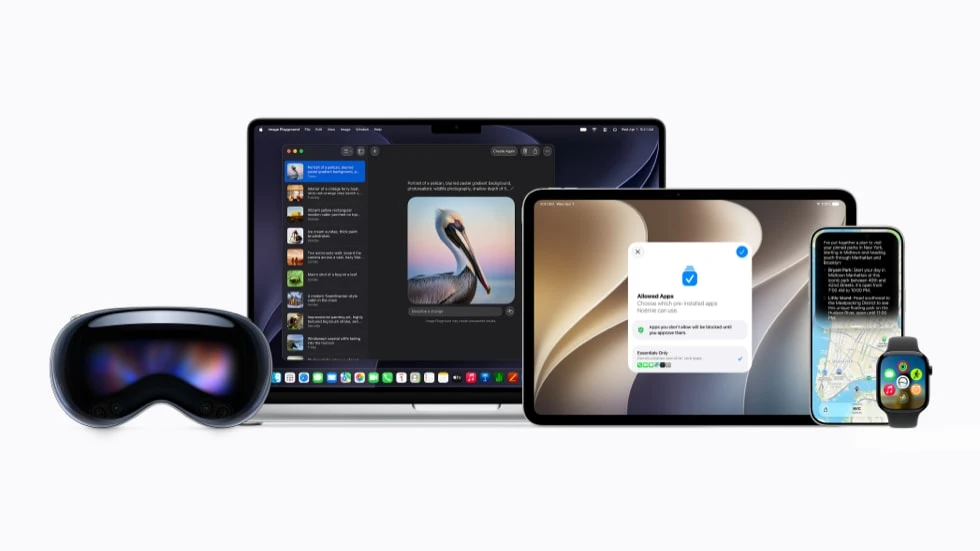
Apple is also leaning hard on privacy, and that is central to whether people trust an assistant that lives so close to personal files, messages, and app activity. The company says many Apple Intelligence features run on-device, with Private Cloud Compute used when more capacity is needed. Apple also says Siri requests are not associated with an Apple Account, and that audio can stay on device unless the user chooses to share it.
Those details are not just technical footnotes. They shape whether Siri AI feels like a surveillance layer or a genuinely local computing assistant. For a tool that is supposed to help with personal context, the privacy architecture may determine whether people use it for meaningful tasks or keep it at arm’s length. Apple is clearly trying to make the case that it can deliver conversational AI without asking users to surrender the intimacy that makes a Mac feel like a personal machine.
Access will still be uneven
Even as Apple expands the assistant, it is keeping the rollout tightly controlled. Siri AI will be delayed in the European Union on iPhone and iPad because of the Digital Markets Act, but Apple says it will still be available to EU users on macOS 27 and visionOS 27. That creates a split experience across Apple’s own ecosystem, where the same person may get one version of the assistant on a Mac and a different timeline on mobile devices.
The hardware and language requirements also matter. Apple says Siri AI is available on Mac with M1 or later, and its Apple Intelligence rollout initially required U.S. English. Those limits are part of the company’s strategy, but they also create a built-in access divide: older Macs and non-U.S. language settings are left out, even as Apple presents the feature as a broad leap forward. For a product marketed as the next generation of computing, the reality is more selective.
The bigger question is whether it changes daily computing
Apple has spent years being criticized for leaving Siri behind as competitors pushed more conversational AI. The June 2026 messaging suggests the company knows it cannot win by promising a smarter demo. It has to show that Siri can save time in the routines that define real Mac use: quick search, clearer writing help, safer file handling, and reliable app control. That is the difference between a feature people try once and a tool they build into the workday.
The new Siri AI will be judged less by how fluent it sounds than by whether it reduces friction without creating new ones. If Apple can make conversation a practical interface for ordinary computing, macOS 27 could mark the first time Siri feels like more than a cautionary tale about AI hype.
Sources
- [1]theverge.com
- [2]apple.com