Technology
Apple’s App Store still rewards niche apps in the AI era
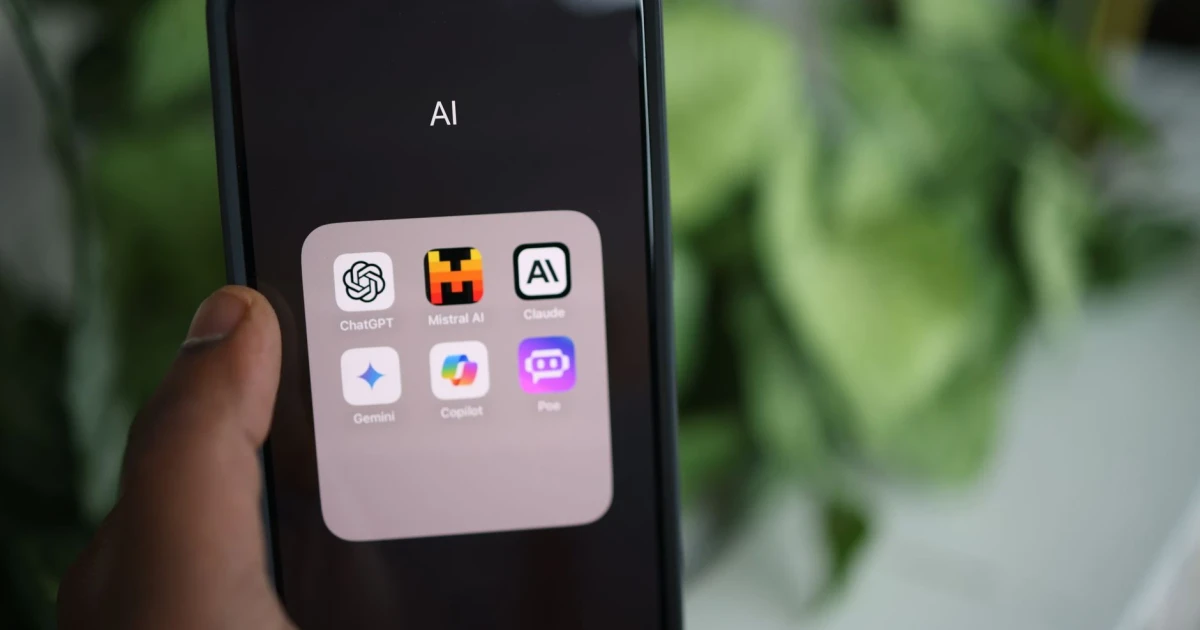
Apple’s latest App Store awards are a sharp reminder that software users keep choosing is often small, specific, and built for repeat use. While AI agents are sold as the future of computing, Apple still used its 2025 awards to spotlight apps people return to again and again, not just systems that promise to do everything at once.
The App Store still has scale, and that matters
Apple says the App Store reaches 175 countries and regions, which gives even niche developers a global runway that most consumer software never gets. The company also says its featured-apps program is open to both indie developers and household-name companies, so discovery is not reserved for the biggest brands.
That reach helps explain why Apple keeps treating curation as a product feature, not a side activity. In its App Store guidance, the company says the store showcases apps and games that people love across Apple platforms, and its feature opportunities are designed to help developers share apps, games, in-app content, or stories for worldwide featuring opportunities. In other words, the store still works as a distribution engine for software that solves one clear problem well.
Apple’s awards show what users still value
Apple frames the App Store Awards as recognition of “the very best and most impactful apps and games on the App Store.” It also says that throughout 2025, developers “debuted and updated apps and games that make people’s day-to-day easier, genuinely improve lives, and bring joy and fun to all.” That language matters because it points to utility, not just novelty.
The company announced finalists for the 2025 App Store Awards in November 2025 and unveiled the winners in December 2025. Apple’s awards pages also describe the finalists as titles editors “returned to again and again,” a phrase that captures how habit and usefulness still drive visibility inside a crowded marketplace. The awards are also framed as a recognition of the developers behind the apps and games, not just the products themselves.
Tiimo and Detail make the case for single-purpose software
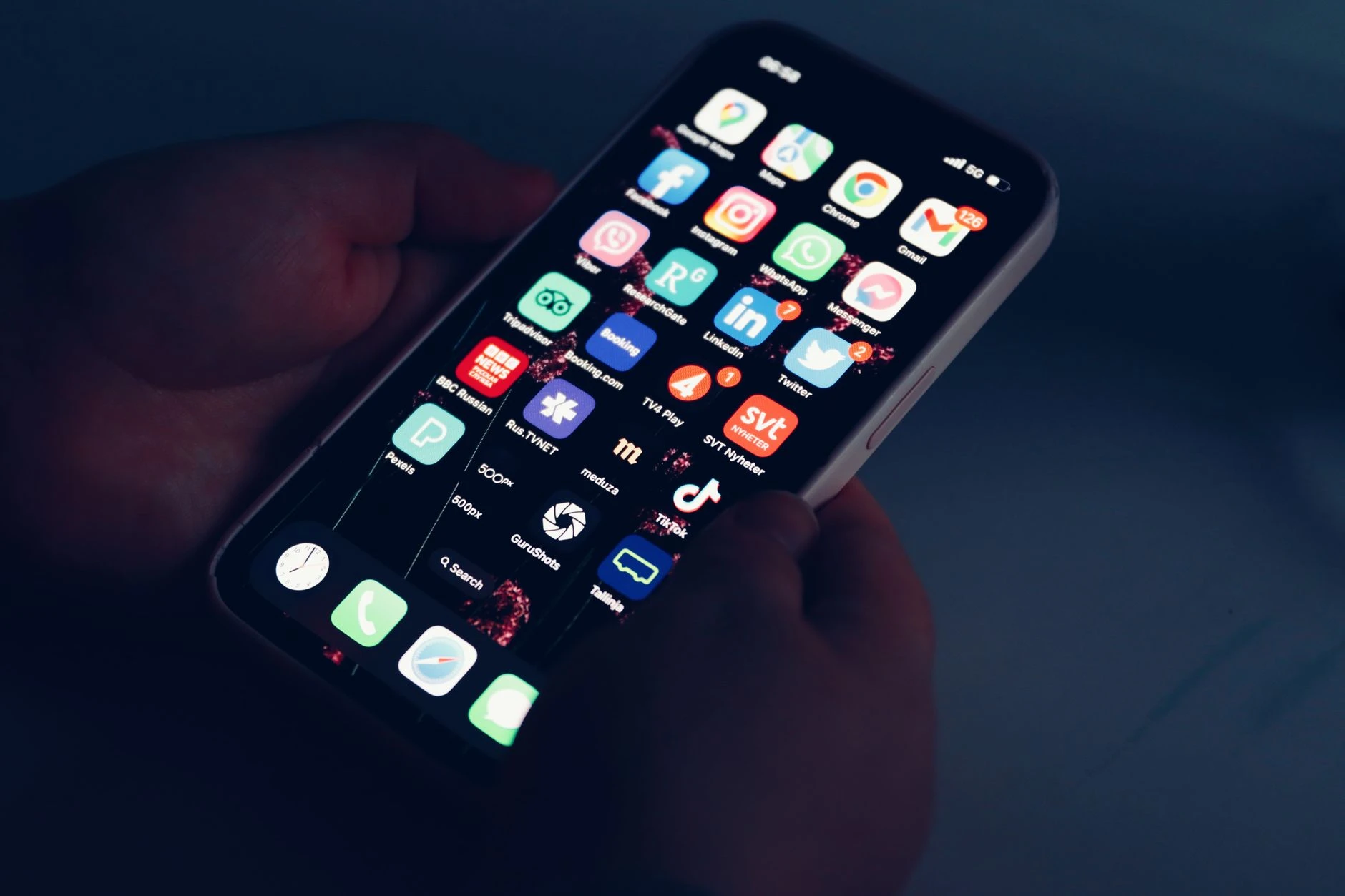
Two of Apple’s 2025 winners show how focused apps can still stand out. Tiimo was named iPhone App of the Year, and Detail was named iPad App of the Year. Tiimo’s recognition is especially telling because it is a visual planner designed for people with ADHD, a use case that is narrow by design but deeply meaningful for the people who rely on it.
That kind of product does not try to replace a phone, an operating system, or a general-purpose assistant. It helps with one recurring task, and that precision is exactly what many users still want. Detail’s iPad win reinforces the same point on a different device: the best consumer software does not have to be sprawling to be valuable.
Why AI agents have not erased the need for apps
The promise behind AI agents is simple: let software act on your behalf and reduce the number of apps you need to open. But the App Store’s current winners suggest a limit to that narrative. People still need interfaces that are reliable, visual, and tailored to a specific job, especially for planning, note-taking, bookmarking, local coordination, or personal tracking.
That is where curated single-purpose apps keep winning. A focused app can be easier to trust than a general agent, easier to revisit than a chat window, and easier to design around accessibility or a specific workflow. Tiimo’s ADHD-focused planner is a strong example of software built for a defined community rather than for an abstract promise of universal automation.
Discovery still depends on curation
Apple’s featured-apps system shows that software discovery remains a human editorial function, not just an algorithmic one. The company says both indie developers and big brands can be featured, which means the App Store still creates room for small teams with sharp ideas to appear alongside more established players.
That matters in the AI era because distribution can decide whether specialized apps survive. If consumers are hearing more about AI assistants at the top of the funnel, Apple’s own storefront still gives space to apps that solve one problem exceptionally well. The result is a marketplace where a planner like Tiimo or a production tool like Detail can still rise on the strength of usefulness, design, and repeat use.

What the 2025 awards reveal about consumer software
The clearest takeaway from Apple’s 2025 awards is that software does not have to become broader to become more successful. Apple celebrated apps that improved day-to-day life, and its own editors rewarded titles they kept returning to, which suggests that consistency still beats spectacle in many parts of consumer tech.
That also exposes the limits of AI agents as a replacement story. Agents may simplify some tasks, but they do not remove the need for carefully designed tools that fit a person’s routine, a device’s screen size, or a community’s needs. The App Store’s 175-country reach, its featured-apps program, and the wins for Tiimo and Detail all point in the same direction: the app economy still rewards software with a clear purpose, especially when it earns repeat attention instead of chasing a universal promise.
Sources
- [1]techcrunch.com
- [2]developer.apple.com
- [3]apple.com