Technology
Apple’s canceled car project helped power its AI chips

Apple shut down its electric-car project internally and shifted some of the staff into its AI division under John Giannandrea. The move ended Project Titan after more than a decade.
The car effort pushed Apple toward custom silicon early, when engineers realized a self-driving system would need powerful on-device processing rather than reliance on distant servers. That pressure led to the A11 Bionic Neural Engine, which Apple introduced with the iPhone X on September 12, 2017. Apple said the dual-core design could handle up to 600 billion operations per second for real-time machine learning tasks.
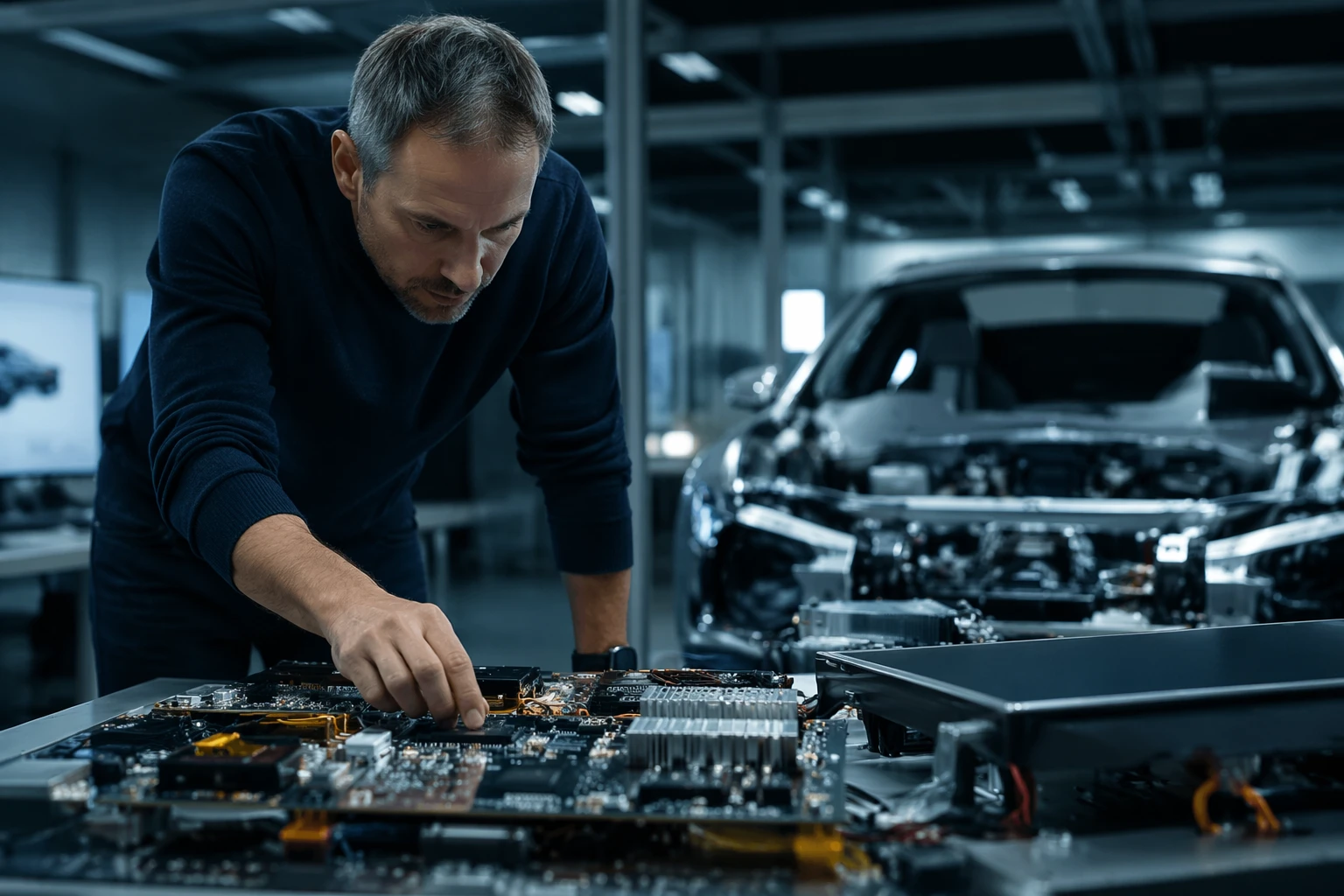
Apple carried that logic into the Mac with the M1 chip, which it said brought the Apple Neural Engine to the desktop and included a 16-core design capable of up to 15x faster machine learning performance. By the time Apple unveiled Apple Intelligence at WWDC on June 10, 2024, the company was making on-device processing a core feature of its AI pitch, with Private Cloud Compute extending capacity for larger server-based models.
Project Titan began around 2014 and at one point had about 5,000 employees by 2018. Bloomberg estimated the spending on the effort at billions of dollars. During the years Apple tried to make the program work, it also explored partnerships with Tesla, Mercedes-Benz, BMW and Volkswagen.
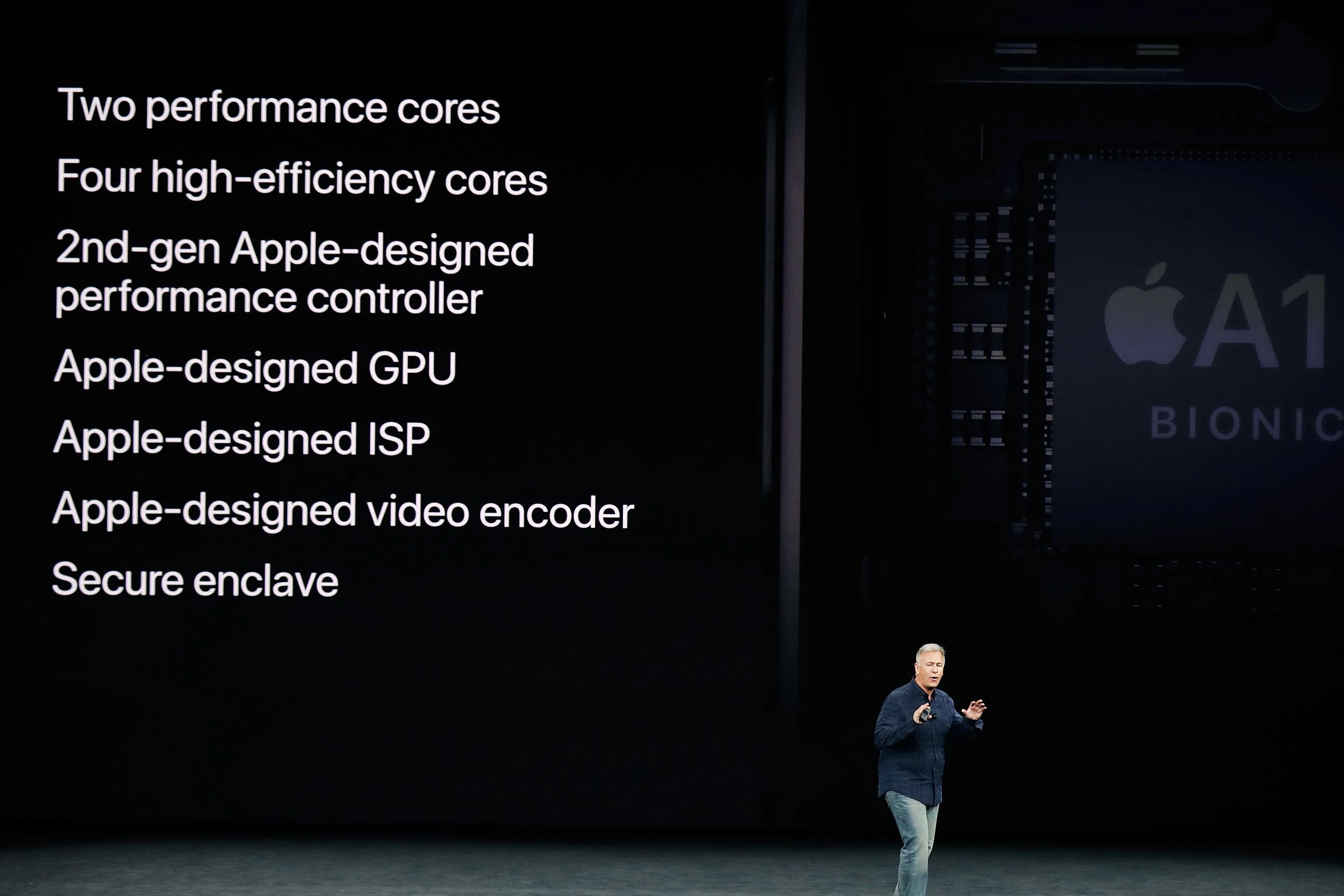
Instead, the work fed a different strategic asset. Apple’s car program did not become a new product line, but its requirements forced the company deeper into machine-learning hardware, custom chips and local processing. Those capabilities helped define the A-series and M-series chips that now underpin Apple’s consumer devices and its AI rollout.
Sources
- [1]theverge.com
- [2]apple.com
- [3]bloomberg.com
- [4]finance.yahoo.com
- [5]gadgets360.com