Technology
Apple’s foldable iPhone looks closer as market matures
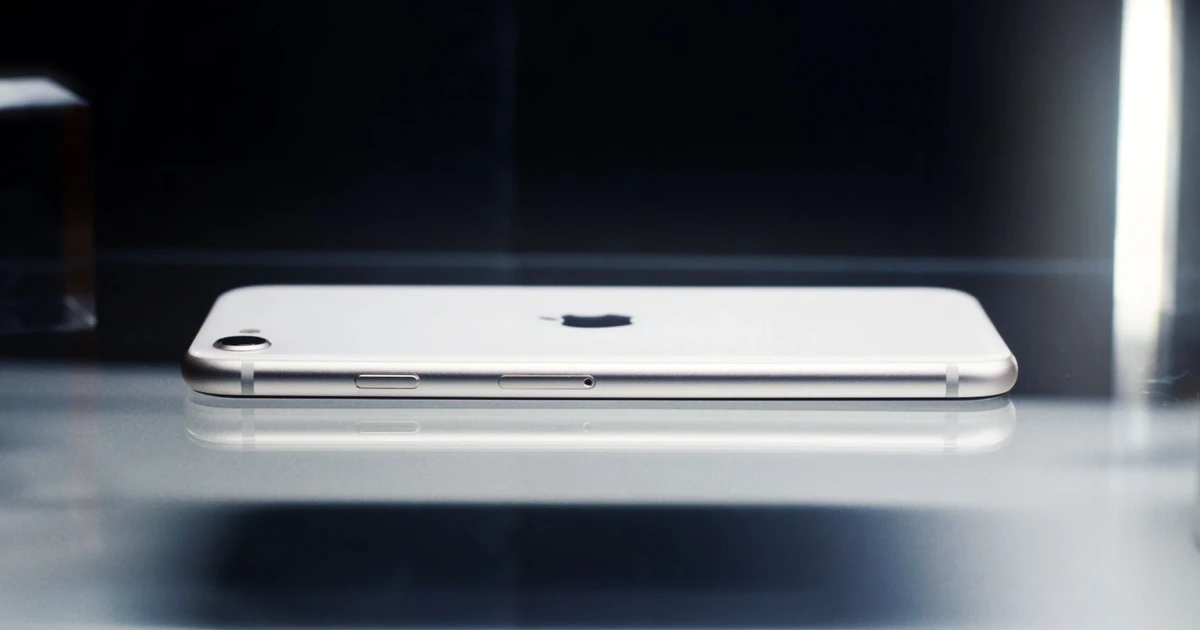
Foldables are no longer being sold as a stunt. A 45% year-over-year jump in global foldable smartphone shipments in Q2 2025, even as overall smartphone shipments rose just 2%, shows a category that is growing far faster than the market around it. That shift matters because Apple tends to benefit most when a new product class has already been stress-tested by competitors and the buying decision feels less risky.
Foldables have already crossed the novelty line
Counterpoint Research said global foldable smartphone shipments rose 45% year over year in Q2 2025, in a market insight published on September 3, 2025. In the same period, global smartphone shipments were up only 2% year over year, according to Counterpoint’s July 16, 2025 market data. The contrast is stark: foldables are still small relative to the entire phone market, but they are growing at a pace that makes them strategically important for every major handset maker.
The competitive picture also changed inside the foldable segment itself. Motorola and Huawei gained share in Q2 2025, while Samsung struggled. Later reporting said Samsung was not even the second-most popular foldable maker in the United States in that quarter. That is a sign of a market that has moved beyond a single dominant story and into a phase where design, price, and reliability matter more than the basic existence of the category.
Why “boring” is the right word
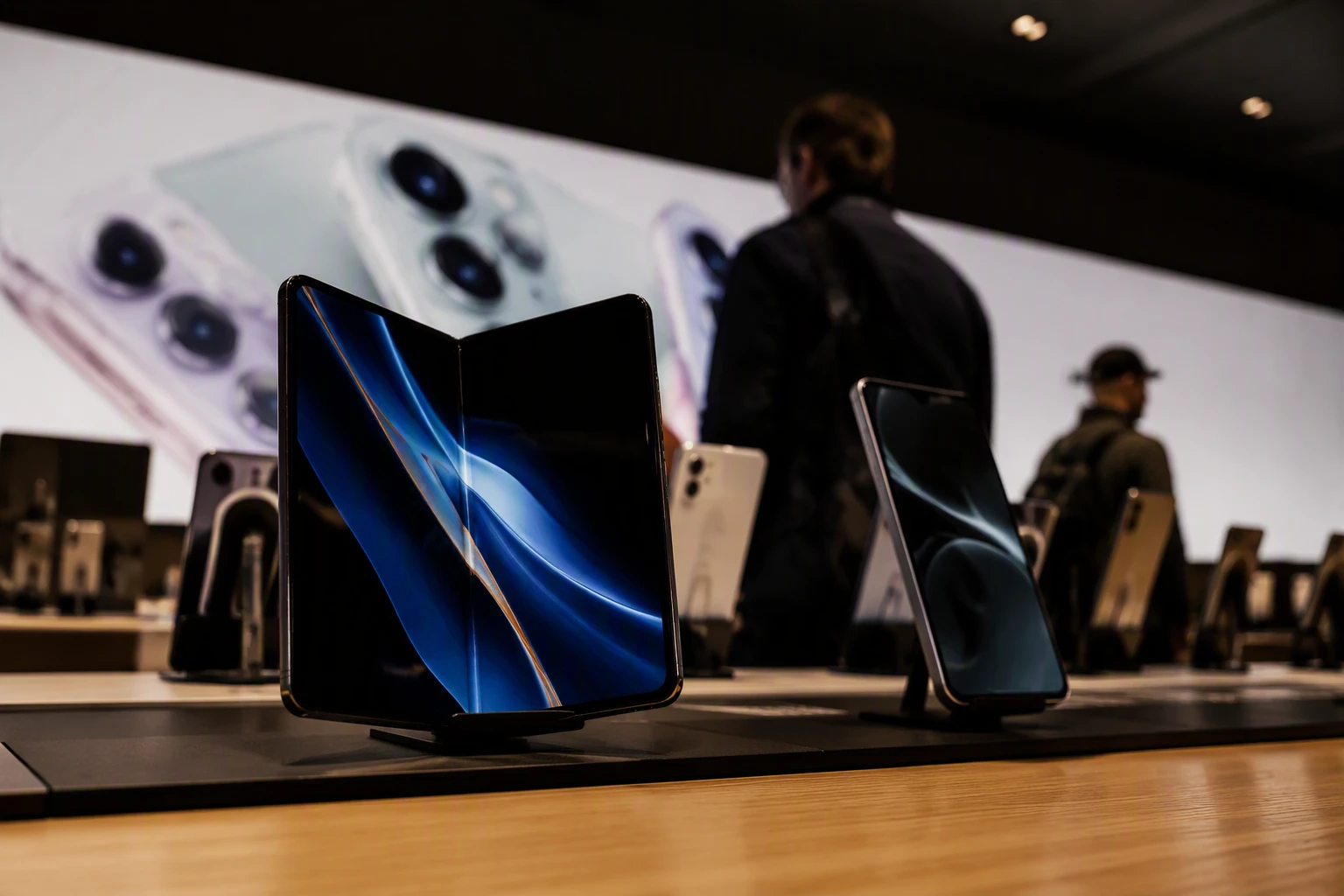
In consumer tech, boring is often the moment when a product becomes genuinely usable. Counterpoint later projected that book-type devices would account for 65% of global foldable smartphone shipments in 2026, which points to a market converging on a larger, tablet-like format rather than a scattered mix of experiments. A category built around one increasingly standard shape is easier for buyers to understand and easier for manufacturers to refine.
That is what makes the current foldable phase look mature. The early headlines were about flexibility, hinges, and the spectacle of a phone folding in half; the newer story is about slimmer bodies, wider screens, and more predictable hardware choices. When the market settles around a clearer use case, adoption risk falls, because buyers are no longer being asked to trust a concept, only to choose between implementations.
Apple’s timing looks deliberate, not late
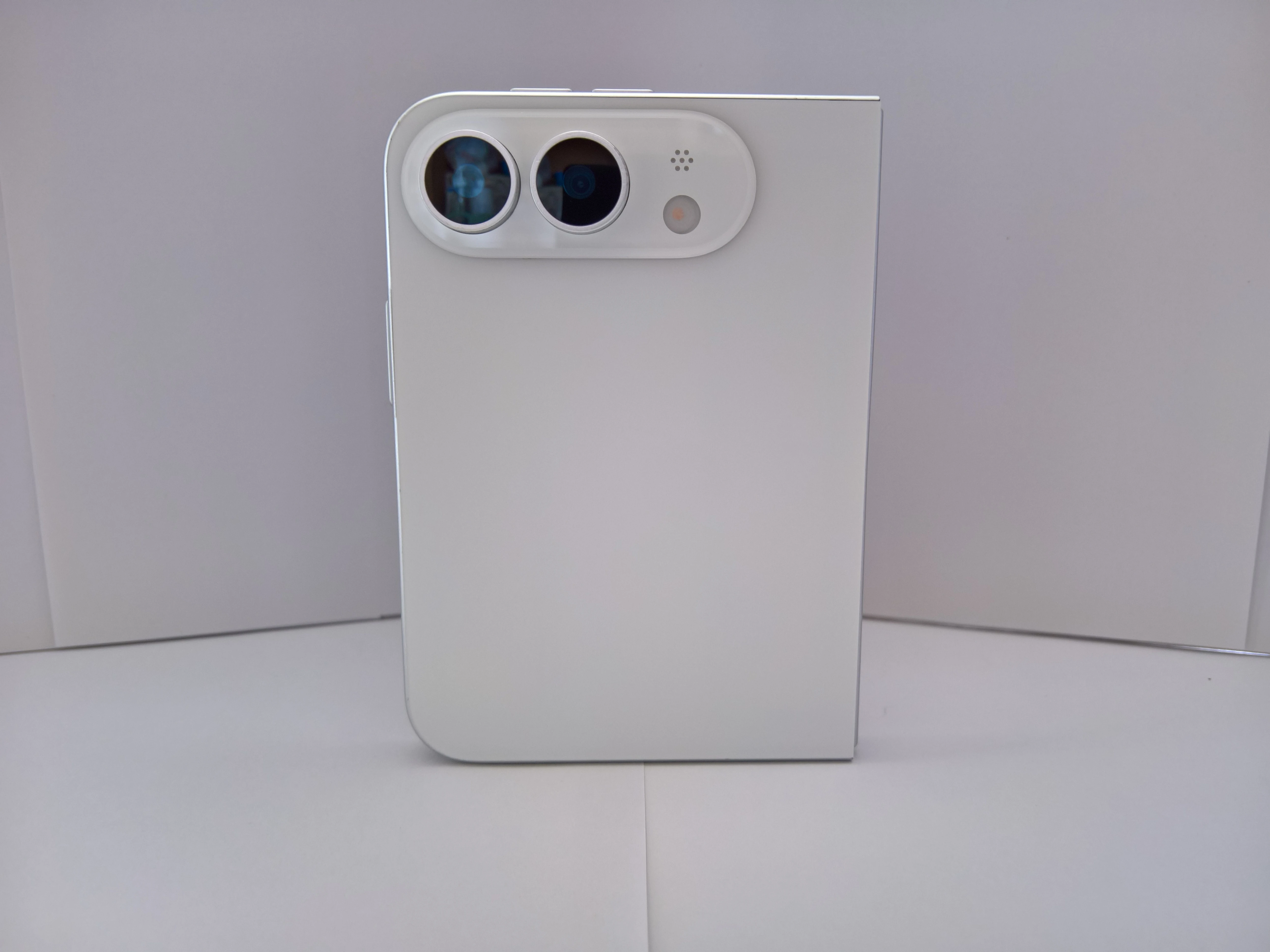
Ming-Chi Kuo said Apple’s foldable iPhone could begin mass production in the second half of 2026. He also said Samsung Display planned annual capacity for 7 million to 8 million foldable panels to supply Apple’s device. Separate market rumors Kuo cited put Apple’s order at 15 million to 20 million units across a two- to three-year lifecycle.
Those numbers matter because they suggest a premium launch, not an all-out volume assault from day one. Apple’s first foldable can arrive with enough scale to signal seriousness, while still keeping the initial rollout controlled enough to avoid the impression of a rushed experiment. In a category where consumer hesitation still exists, that combination is valuable: the product looks established before it even ships widely.
The premium pricing angle also fits the broader market setup. Foldables remain a higher-cost segment, and Apple’s opportunity is not to invent demand from scratch but to step into a lane where a subset of buyers has already accepted the trade-off between price and flexibility. Rivals have already spent years teaching customers what a foldable is worth.

What Apple could change in the supply chain
Counterpoint later said Apple’s entry could drive a strong rebound in foldable panel shipments in 2026. That would be a major supplier story as much as a handset story, because foldables depend on display makers, hinge engineering, and manufacturing yields that improve only after repeated production cycles. If Apple enters at scale, panel demand gets a new anchor just as the category is becoming more standardized.
This is where market timing becomes more important than novelty. When Motorola, Huawei, and Samsung absorb the early mistakes, Apple can enter a segment with clearer expectations around size, durability, and pricing. That reduces the odds that the first foldable iPhone is judged as a science project and raises the odds that it is judged as a credible premium phone.

Why the market now looks ready
The strongest case for an Apple foldable is not that foldables are exciting. It is that they are less exciting than they used to be, which is exactly why they are safer for Apple to enter. Counterpoint’s 45% shipment growth in Q2 2025, the projected 65% share for book-type devices in 2026, and the expected rebound in panel shipments all point to a market that has moved from experiment to structure.
That is the kind of “boring” that consumer technology rewards. The gimmick phase has already passed through the market, the hardware is becoming more legible, and the adoption path is clearer. If Apple moves in during that window, it will not be because foldables are still a curiosity, but because competitors have already done the hard work of making them ordinary.