Business
Apple’s new lease program signals a shift from ownership to access
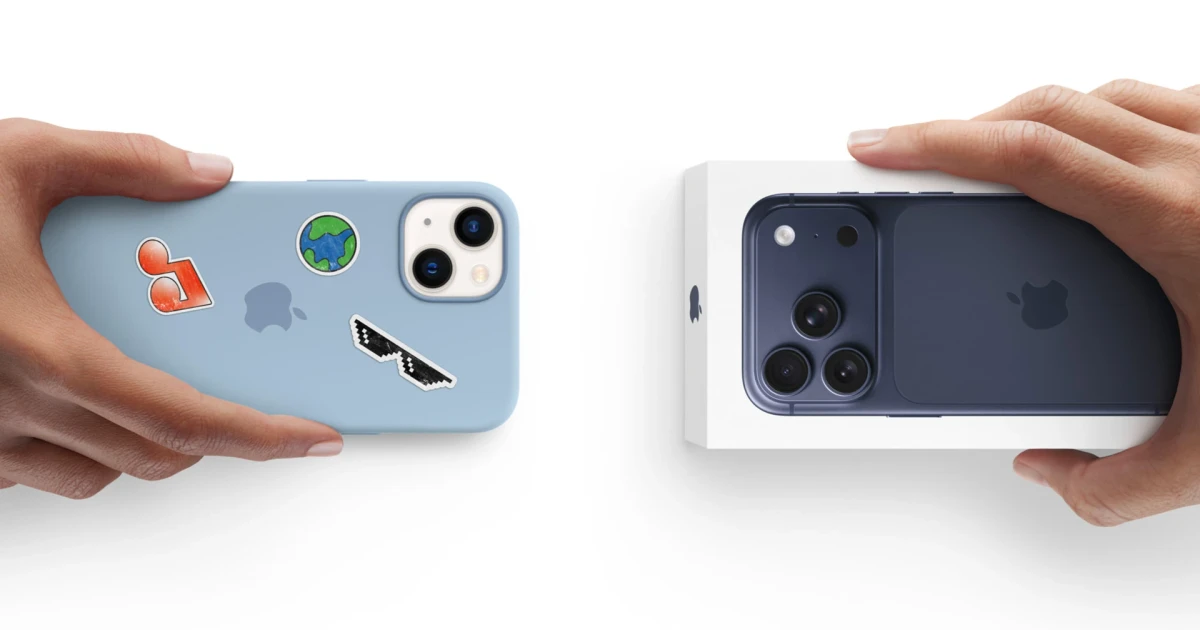
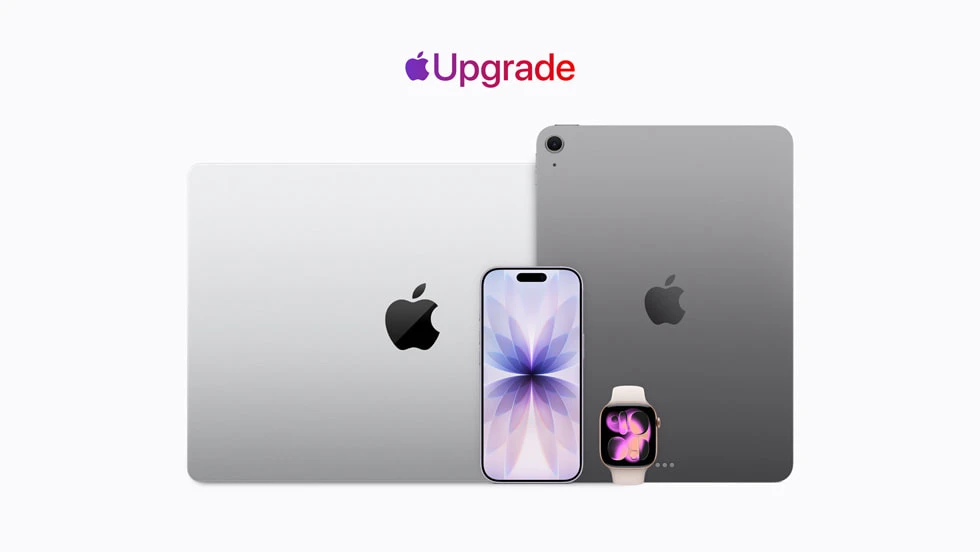
Apple launched Apple Upgrade in the United States in July 2026, replacing the iPhone Upgrade Program and iPhone Payments with a lease-style plan for iPhone, Mac, iPad and Apple Watch. The change pushes Apple deeper into a consumer-finance model that turns hardware into an ongoing bill instead of a one-time purchase.
That matters because the difference between buying outright and subscribing is not just how a device is paid for, but how long the payments last. A cash purchase ends once the sale is made; a lease keeps the customer in the payment cycle, especially if Apple makes the next device easier to roll into the same plan. Apple has framed the program as one way to cover multiple products under a single arrangement, which is a cleaner pitch for households already carrying iPhones, Macs and Watches.
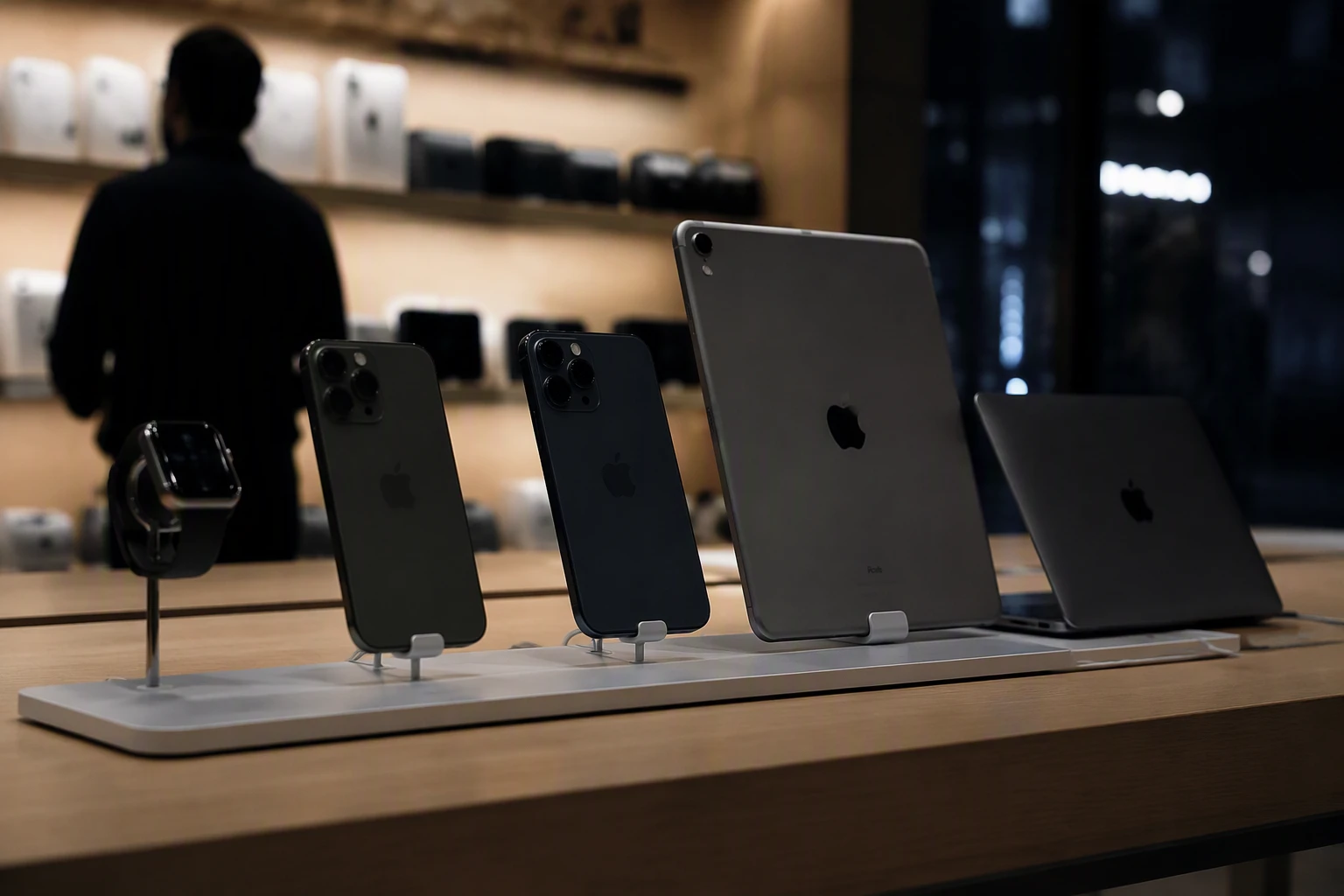
The timing also fits a broader hardware strategy. AppleCare One launched on July 23, 2025 as a single coverage plan for multiple Apple products, bundling protection across devices that increasingly move together through the same account and billing relationship. Apple is not just selling hardware and insurance separately anymore. It is packaging ownership, protection and upgrades into recurring services that resemble the subscription models now common in software, streaming and retail.
The shift has been building for years. In 2018, Zuora chief executive Tien Tzuo told Stanford Graduate School of Business that nearly everything consumers buy would eventually come with a monthly plan, and a 2016 Forbes article described the broader move from a service model to a subscription-based model. Apple’s entry into lease-style device financing brings that logic squarely into consumer electronics, where the practical question is whether lower monthly payments make premium devices more accessible or simply make them easier to justify.
There is also a harder edge to the arrangement. A separate report on iOS code said Apple could use a Partner Finance Lock to block apps, erasing or resale if a customer misses iPhone payments and the device enters Restricted Mode. That kind of control shows how subscription-style hardware changes the relationship between buyer and maker: access can be extended, but it can also be withdrawn.
Sources
- [1]techcrunch.com
- [2]apple.com
- [3]theverge.com
- [4]stanford.edu
- [5]forbes.com