Technology
Applied Computing raises $20M to bring AI to industrial plants
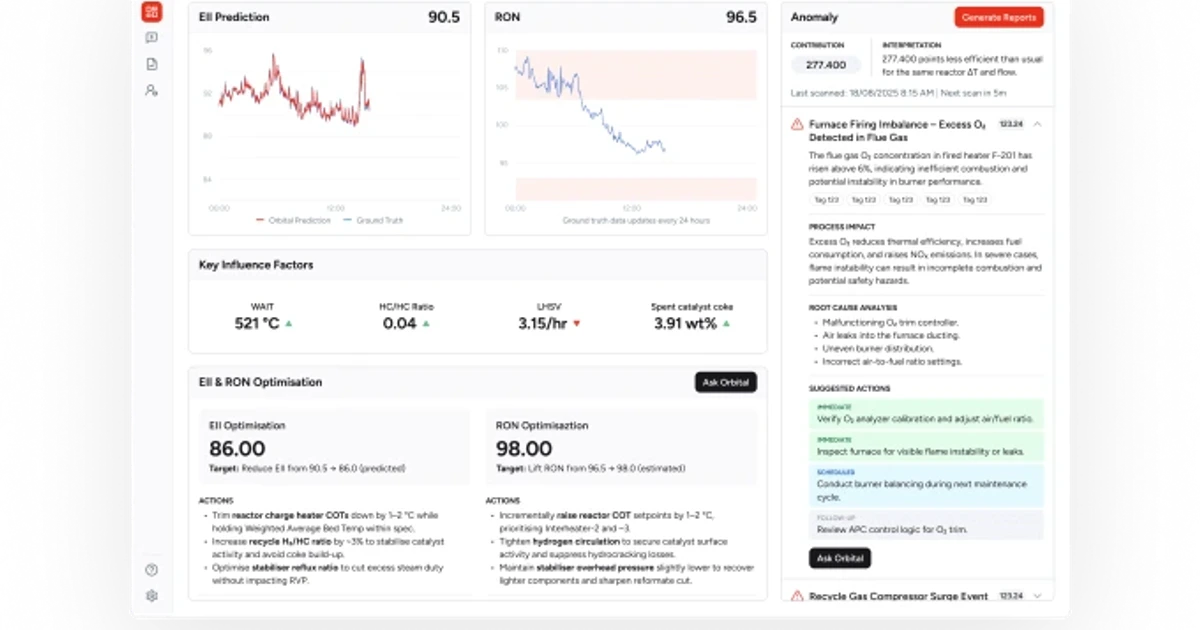
Applied Computing closed a $20 million Series A on July 15, with KBR leading the round and Databricks Ventures participating, as the London startup pushes its Orbital platform deeper into oil, gas and petrochemical plants. The company is betting that a foundation AI model built for industrial facilities can do more than automate analysis, and can help operators act faster without losing sight of safety.
The pitch is aimed at sites packed with thousands of sensors, where Applied Computing says operators often make decisions using less than 8% of the data they already collect. Orbital is designed, the company says, to help facilities harness 100% of their data and optimize in real time. Applied Computing also describes the system as physics-aware, explainable and grounded in the reality of the plant, language that speaks directly to the hardest problem in industrial AI: whether a model can be trusted when a mistake could affect production, maintenance or process safety.

KBR had already moved into that relationship months earlier. On March 23, 2026, the engineering company announced a strategic investment in Applied Computing, secured a board seat and said the two companies would enter a multi-year joint development agreement to co-create exclusive AI products for the energy sector. The new financing extends that tie-up and puts a larger balance sheet behind a platform that Applied Computing is positioning as infrastructure for legacy industrial operations, not a replacement for them.

The company’s earlier fundraising showed the same ambition. On May 28, 2025, Applied Computing disclosed a £9 million seed round led by Stride.VC and Repeat.vc. At the time, it said Orbital averaged a 75% cost reduction compared with cloud AI alternatives and could potentially reduce energy consumption by 10% across refineries and petrochemical sites.
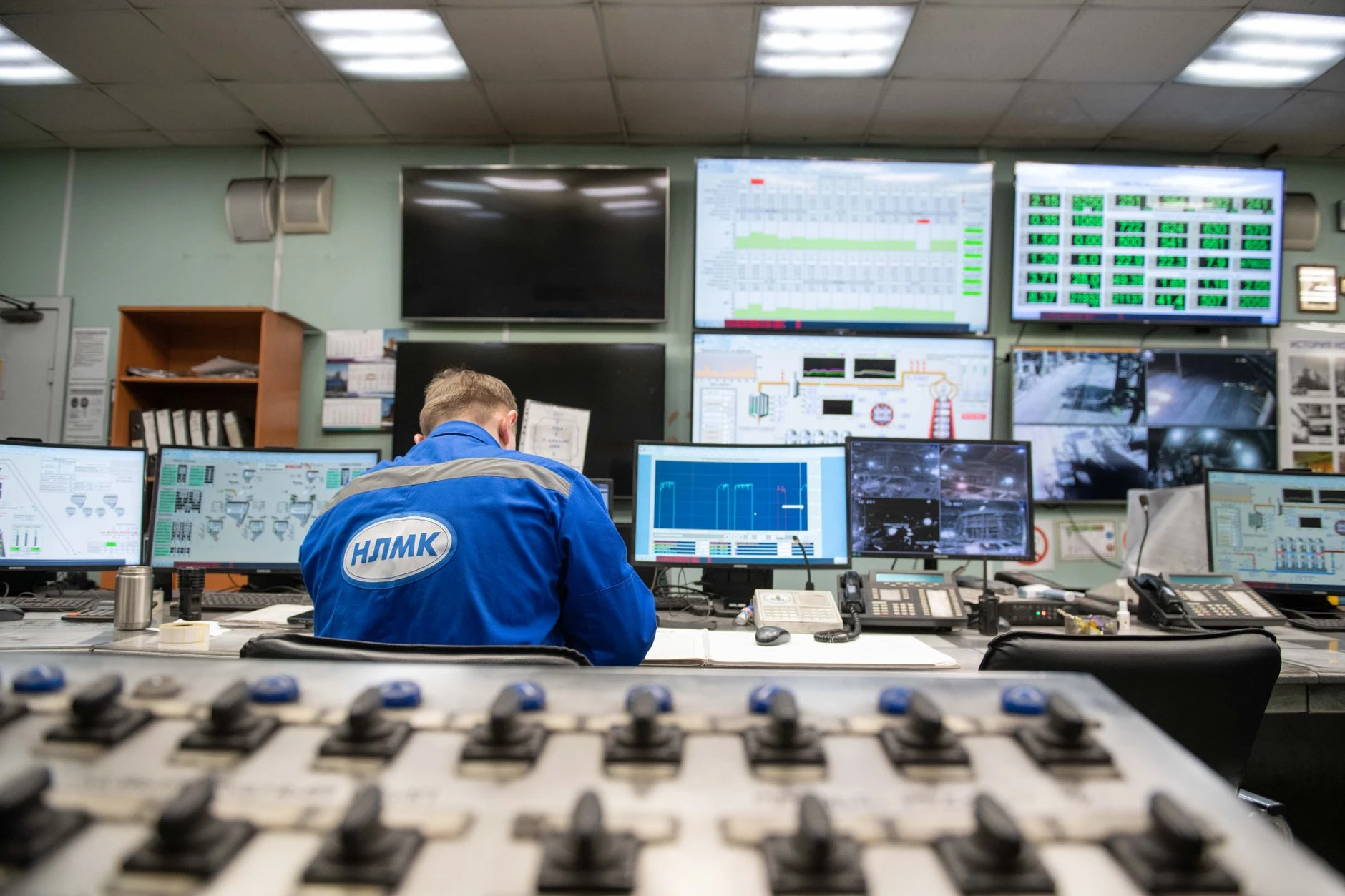
Applied Computing has also tied its case to a benchmark at the ABB Carbon Capture Pilot Plant at Imperial College London. Imperial said the platform could help engineers interrogate vast amounts of industrial data, an early test of whether a model built for the plant can work inside one. That matters in refineries and petrochemical facilities, where any AI recommendation has to be checked against equipment limits, process conditions and human judgment before it is acted on.
Sources
- [1]techcrunch.com
- [2]kbr.com
- [3]appliedcomputing.com
- [4]imperial.ac.uk