Health
Apps that help cut screen time and curb doomscrolling

Adults are spending more than seven hours a day looking at screens, and doomscrolling has been tied to anxiety, sadness, overwhelm, depressive symptoms and future anxiety. The apps that matter most are not the ones that simply display a tally of lost time, but the ones that interrupt the reflex, make opening the feed less automatic and turn the saved minutes into something measurable.
Doomscrolling is now a health question, not just a bad habit
McCutcheon and colleagues found in a 2024 scoping review that doomscrolling was correlated with greater depressive symptoms and future anxiety. Harvard Health has also published guidance on the habit in its mind-and-mood section, and University Hospitals posted a practical explainer, “Doomscrolling: Breaking the Habit,” on July 9, 2024. Taken together, those pieces frame doomscrolling as a behavior with mental-health consequences, not a harmless way to stay informed.
The public-health stakes widen when screen time is already so high. Scripps Health says adults are spending over seven hours a day looking at screens, and it warns that using screens for seven or more hours can pose health risks. That makes the question less about whether to use an app at all and more about which design features actually change behavior.
Reminders and streaks can help you notice the habit, but they rarely stop it
A 2023 NIH and PMC study examined apps designed to reduce mobile phone use and prevent maladaptive mobile phone use, showing that app-based intervention is now part of the research conversation. But the design lesson from adjacent research is clear: apps often focus on self-tracking and reminders, and that alone is not the same as breaking the loop at the moment you reach for the phone.
That is where streaks and dashboards run into a limit. A counter can tell you how long you have been scrolling and a reminder can ping you after the fact, but consumer research on screen-time tracking found that people are often happy to monitor their use without actually reducing it. In other words, awareness is not the same as interruption, and if an app only gives you a score, it may be measuring the habit more than changing it.
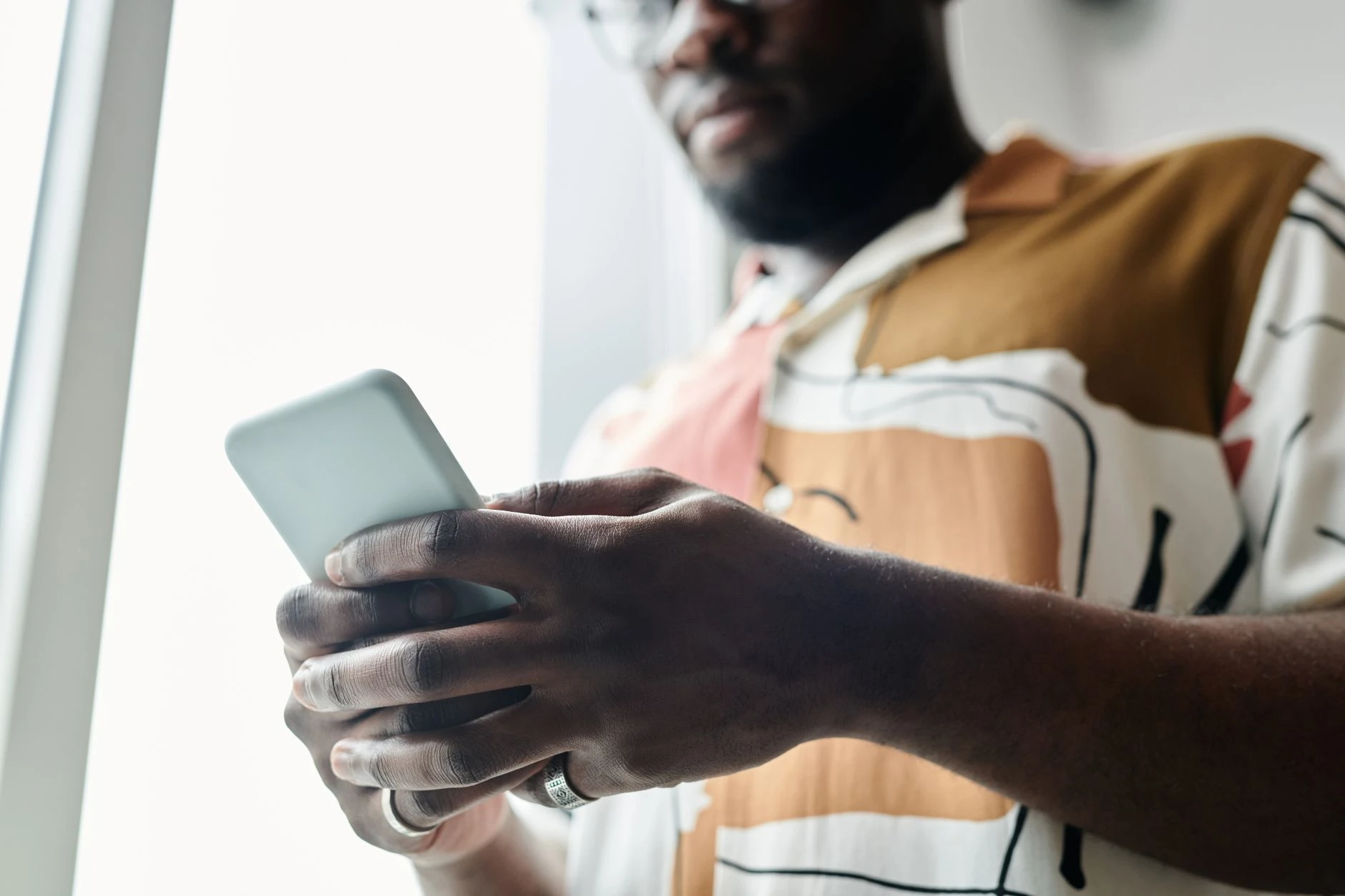
Social accountability sits in the same category of promise and uncertainty. Sharing usage with a friend or a small circle can add pressure, but the evidence in the material here is thinner than for apps that physically slow the path to the feed. If the tool depends on your self-control, it risks becoming another thing to ignore.
App blockers and self-nudges have the clearest behavior-design signal
The strongest experimental signal in the material comes from self-nudges and blockers. Research on the self-nudge app one sec has been used to study how smartphone use can be redirected, and one study found that one sec decreased the actual opening of target apps by 57% after six consecutive weeks. In that same work, the app nudged users in one out of three cases, 36%, to dismiss their consumption attempt after they had already opened a target app.
That detail matters because it shows the difference between tracking and interruption. one sec does not just watch the habit, it adds friction at the exact point where the behavior is about to happen. The app also says it does not collect user data by default, and only users who opt in to its studies and complete intro and exit surveys contribute data, a privacy stance that may appeal if you are trying to limit one more form of surveillance in the name of wellness.
Other blockers lean on a similar model, though not all are backed by the same level of evidence. StayFree - Screen Time is listed on Google Play with a 4.6-star rating and 273,000 reviews, a sign of substantial demand for screen-time management, while BePresent: Screen Time Tracker is available on the iPhone App Store as a free app with in-app purchases. BePresent’s listing emphasizes app blocking, focus and rewards, which puts it squarely in the category of tools that try to interrupt the impulse and replace it with a different payoff.
The most promising apps do not just block, they redirect time into activity
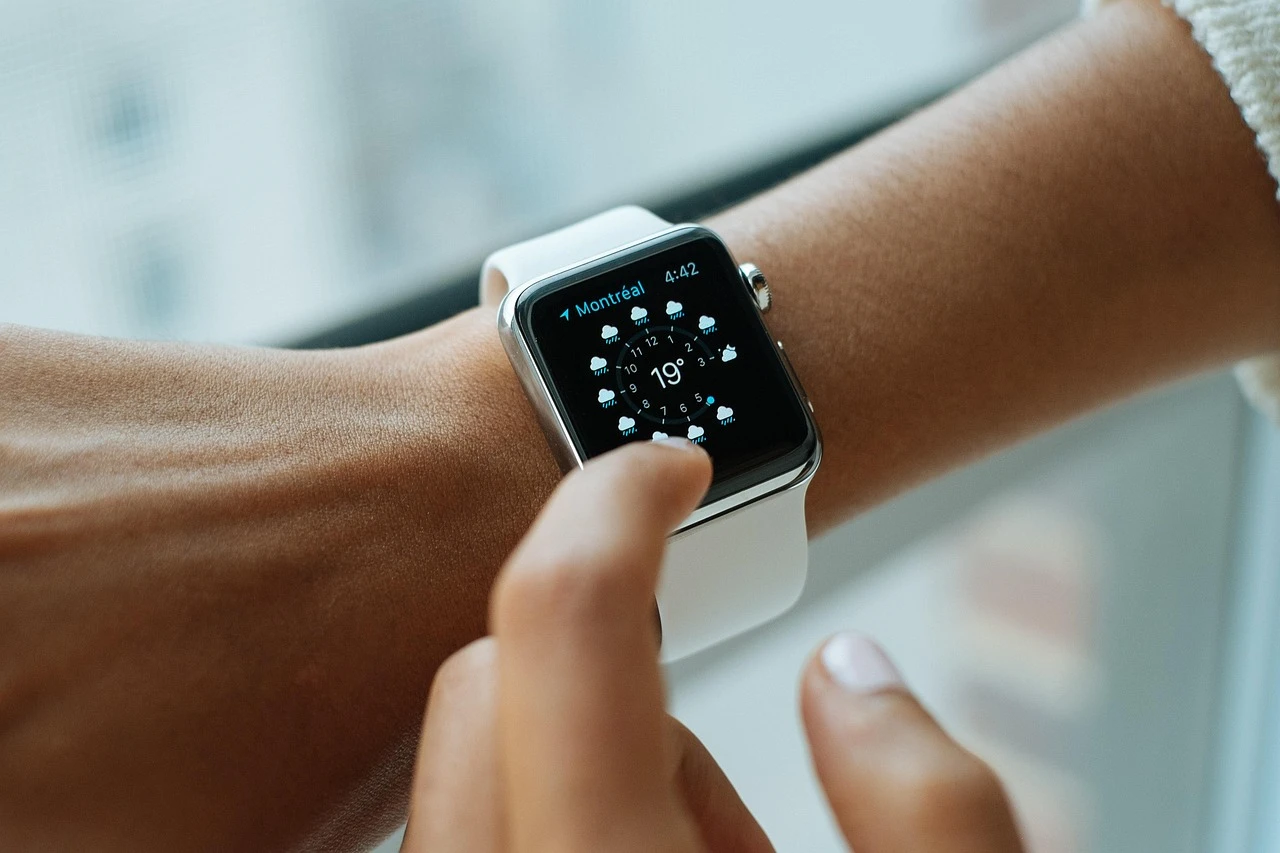
The behavior-design test gets more interesting when an app uses saved time as a budget for movement. Search results show app-based programs that reward walking, yoga, strength training and cycling with minutes based on intensity, a much more public-health-minded model than simple time policing. The goal is not just fewer minutes on the feed, but a measurable shift into activity that can be counted, repeated and scaled.
That idea lines up with broader exercise guidance that treats movement as a daily health behavior, not a special event. If the app’s logic is “earn your scrolling time,” the better version is the one that pushes you toward a walk, a yoga session, a strength block or a ride before it hands the phone back. The replacement behavior has to be easier to start than the feed is to reopen.
The tradeoffs are real: privacy, subscriptions and another screen to manage
These tools can create healthier habits, but they can also create one more layer of screen dependence. If the blocker, streak counter or accountability check lives on the same device that is already pulling your attention, the app may become another place to tap, toggle and negotiate with yourself.
Money is another dividing line. BePresent is free with in-app purchases, and many of these products push premium tiers for stronger blocking, rewards or analytics. That can leave the most robust behavior supports behind a paywall, which matters in a public-health context because the people most affected by compulsive scrolling are not always the people who can afford a subscription.
The clearest lesson from the research is that the apps most likely to help are the ones that make the next scroll slightly harder and the next action slightly more concrete. Tracking may build awareness, but friction changes the moment of choice, and movement turns the saved time into something the body can use.
Sources
- [1]techcrunch.com
- [2]emerald.com
- [3]health.harvard.edu
- [4]uhhospitals.org
- [5]scripps.org
- [6]pmc.ncbi.nlm.nih.gov
- [7]play.google.com
- [8]apps.apple.com