Technology
April Fools' Day 2026 Brings Out Creative Video Game Pranks
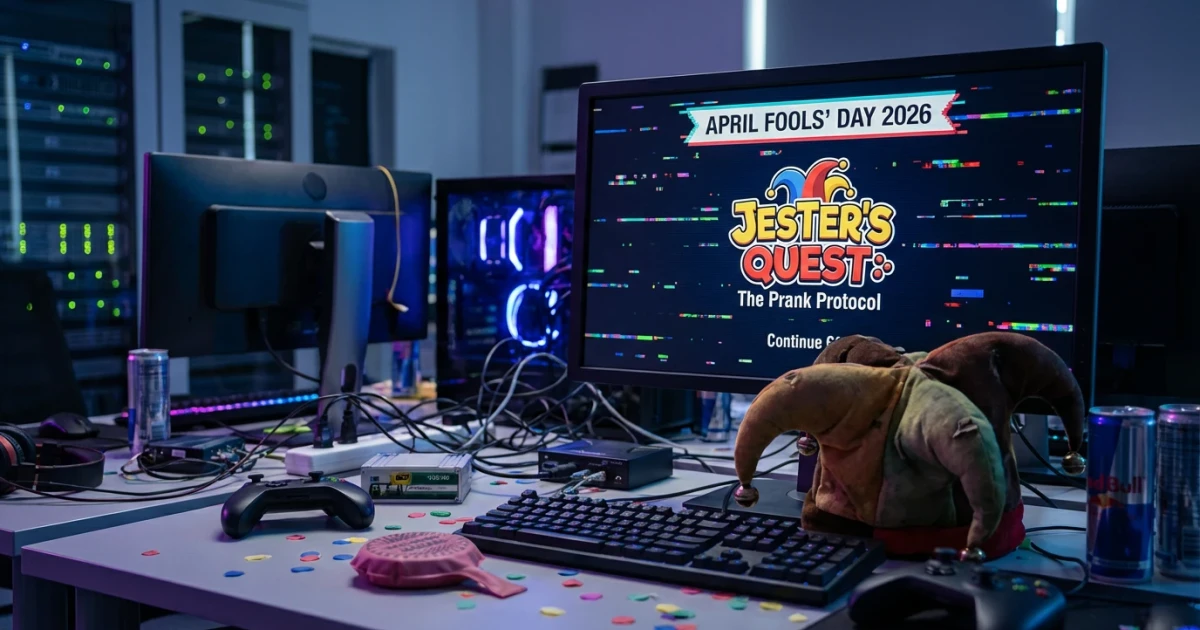
April Fools' Day 2026 once again saw the video game industry embracing humor and creativity, as developers and publishers rolled out a variety of pranks, updates, and tongue-in-cheek announcements. This annual tradition has become a much-anticipated event for both players and studios, and this year was no exception, with a mix of clever in-game events, parody features, and fake reveals making waves across the community.
Highlights of This Year’s Pranks
- Several major studios released special April Fools' Day events in their flagship titles, ranging from whimsical cosmetic changes to temporary game modes that upended traditional gameplay.
- Some developers unveiled fake trailers for non-existent game sequels or spin-offs, sparking lively debate and amusement among fans on social media and gaming forums.
- Community-driven games used the day to introduce playful balance changes, such as dramatically oversized character models or intentionally silly bug patches, which were often reverted after 24 hours.
In-Game Gags and Temporary Features
According to Metacritic's aggregation of April Fools' events, 2026 continued the trend of live service games rolling out limited-time content. Popular competitive shooters introduced outlandish weapon skins and sound effects, while several RPGs added joke quests that rewarded players with humorous items or achievements. For example, some titles featured voice-over replacements with exaggerated performances or swapped character roles as part of the fun.
The IGDB database shows a spike in community engagement metrics during April 1, reflecting the popularity of these events. Many players expressed delight at being surprised by unexpected twists in their favorite games, while others ranked the best and worst pranks on fan sites and aggregator platforms.
Industry Participation and Fan Reactions
The tradition of April Fools' Day in video games goes back decades, and 2026 saw both indie and AAA developers participating. Game Informer noted that some studios took a subtle approach, hiding Easter eggs or releasing patch notes filled with tongue-in-cheek references. Others went for high-effort jokes, including mock press releases and parody merchandise announcements.
Fan reactions were generally positive, with social media platforms and forums like Reddit’s r/Games megathread buzzing with screenshots, event recaps, and discussion about the most memorable pranks. A few jokes, particularly those that temporarily disrupted competitive balance, drew mixed responses, but most players appreciated the lighthearted spirit of the day.
Looking Back and Ahead
April Fools’ Day has become an unofficial holiday for gaming communities, with developers using the opportunity to engage fans, test new ideas, and poke fun at industry trends. With the growing integration of live updates and social media engagement, the day’s impact continues to expand. Based on the volume and creativity of this year's pranks, it is clear that April Fools' Day remains a staple for both players and creators in the video game world.
For readers interested in a comprehensive breakdown of this year’s pranks, databases like the PCGamingWiki's April Fools' Day events list and Metacritic's April Fools’ aggregation provide detailed coverage, including user ratings and historical context.
Conclusion
April Fools’ Day 2026 reinforced the tradition of playful innovation in gaming. As studios continue to find new ways to entertain and surprise their audiences, players can look forward to even more inventive pranks in the years ahead.