World
Archaeologists find possible earliest solstice site near Stonehenge
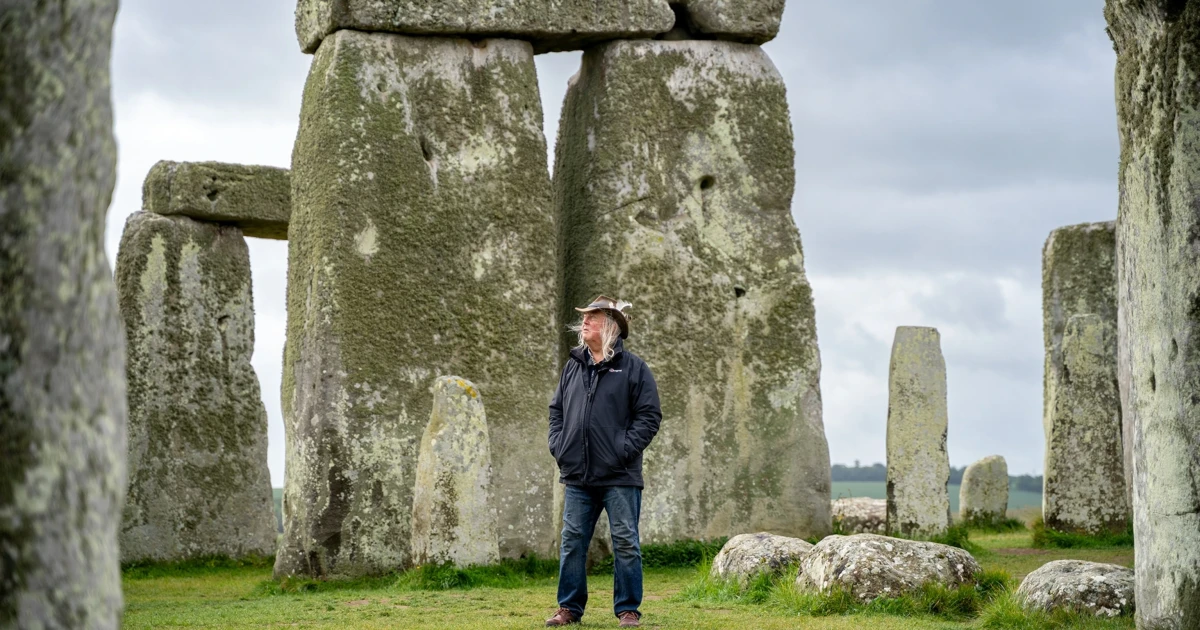
Archaeologists working near Stonehenge have uncovered what may be the oldest known solstice-aligned site in the landscape, a timber feature at Bulford, Wiltshire, about three miles east of the famous stone circle. The remains, found on Ministry of Defence-owned land during excavation for new accommodation for soldiers returning from Germany, appear to mark the summer solstice sunrise and winter solstice sunset.
Researchers from Wessex Archaeology, led by Phil Harding, say the site may have consisted of two wooden posts or poles set about 120 meters, or 394 feet, apart. Radiocarbon dating places the feature at around 2950 BC, making it roughly 5,000 years old and about 500 years earlier than the solstice alignment at Stonehenge itself. That timing has led archaeologists to describe the Bulford find as a possible early prototype for the monument’s later astronomical layout.
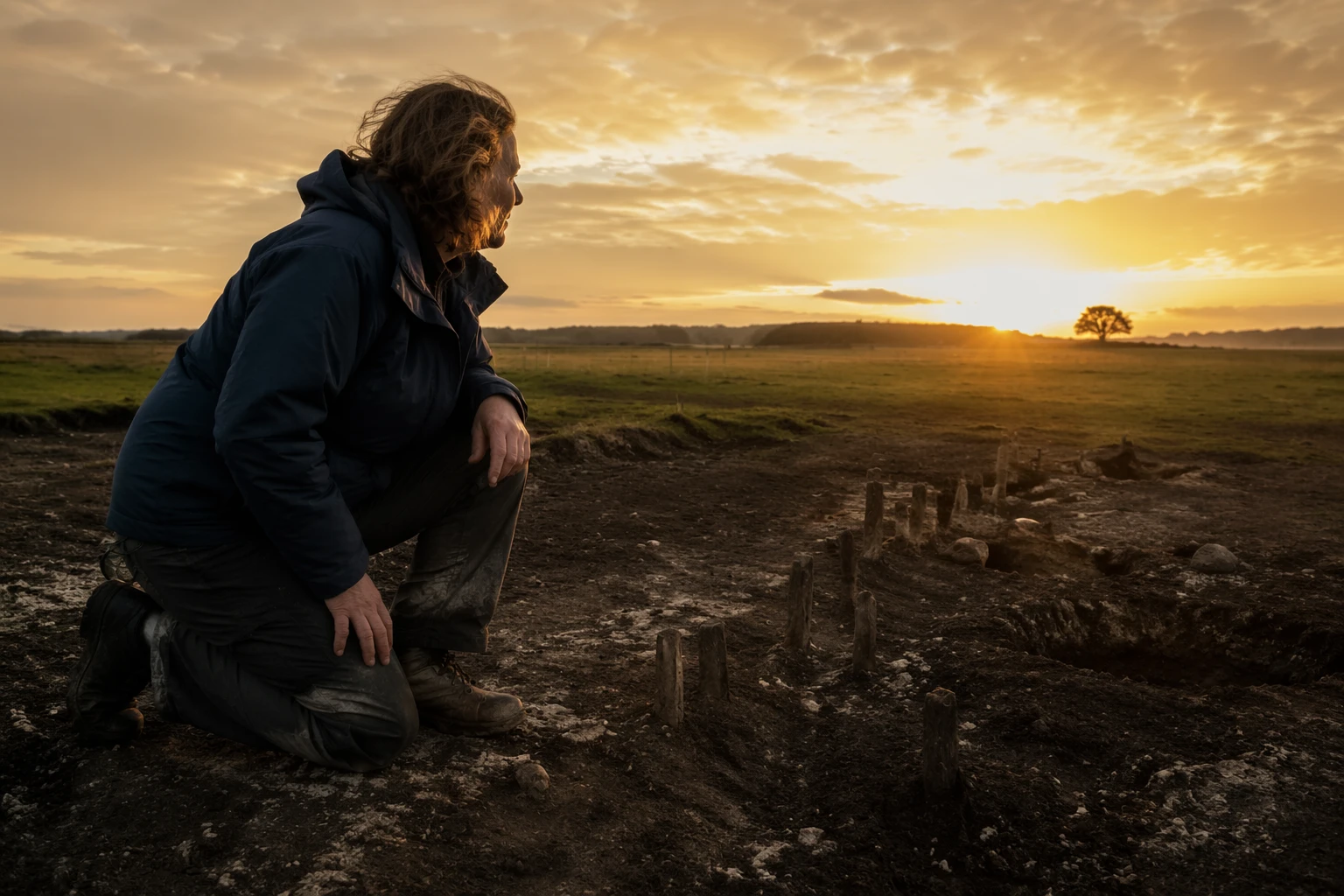
The discovery matters because it shifts attention from the famous stones to the wider ceremonial terrain around them. Stonehenge’s best-known solar alignments include the summer solstice sunrise at the Heel Stone and the winter sunset through the trilithons, but the Bulford evidence suggests communities on Salisbury Plain may already have been tracking the sun long before the stone circle took its final form. Matt Leivers of Wessex Archaeology said the find points to a sun-focused cosmology and may even indicate a religious event tied to the seasonal turning of the year.
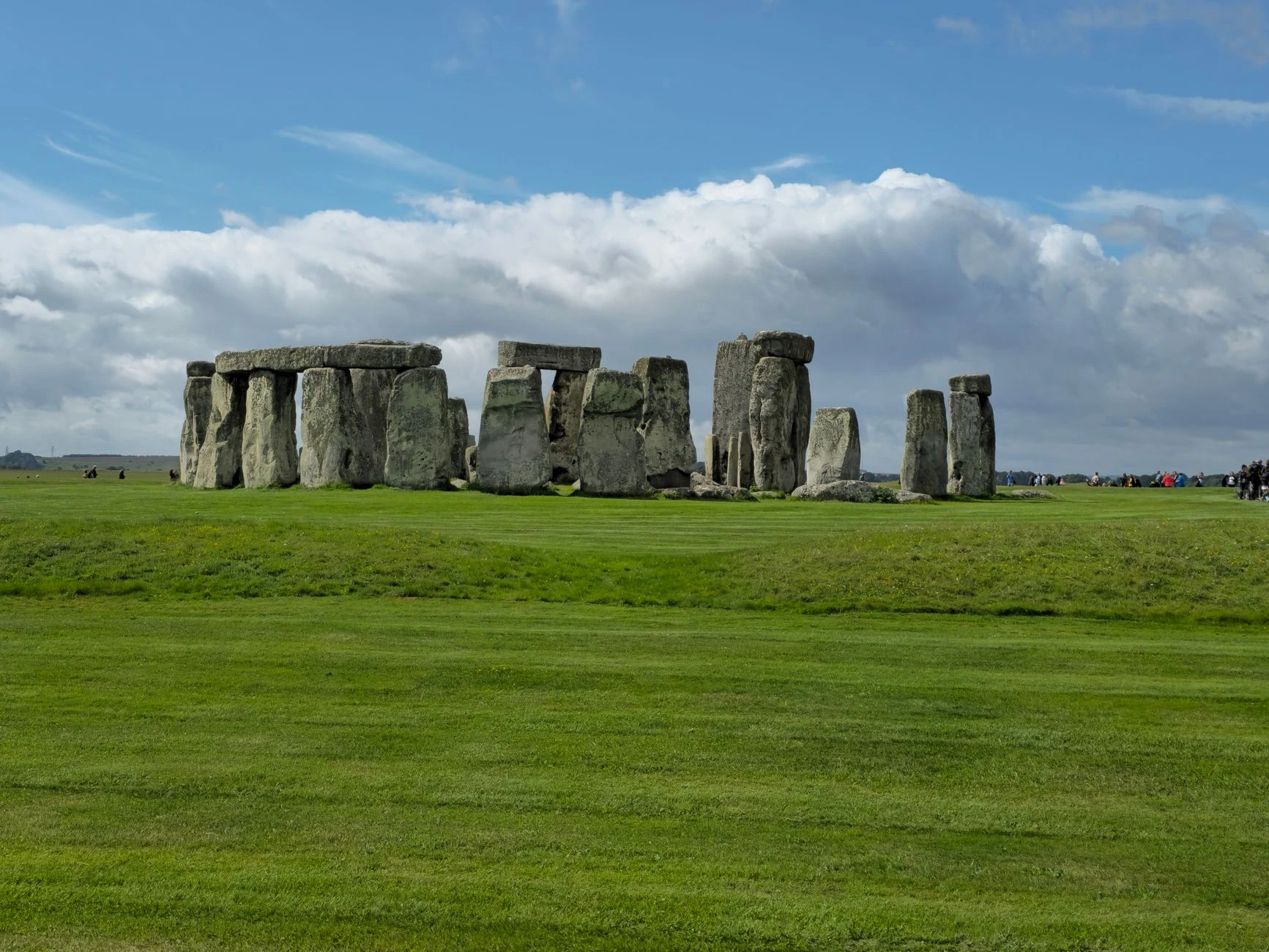
The timing of the announcement also heightens its resonance. As thousands prepare to gather at Stonehenge for the summer solstice on June 21, the new evidence adds another layer to a landscape already dense with ritual meaning, from Stonehenge and Amesbury to Durrington Walls and Woodhenge. The Bulford alignment may not have been a temple in the later sense, but it shows how carefully prehistoric communities observed the sky and built meaning into the land itself.
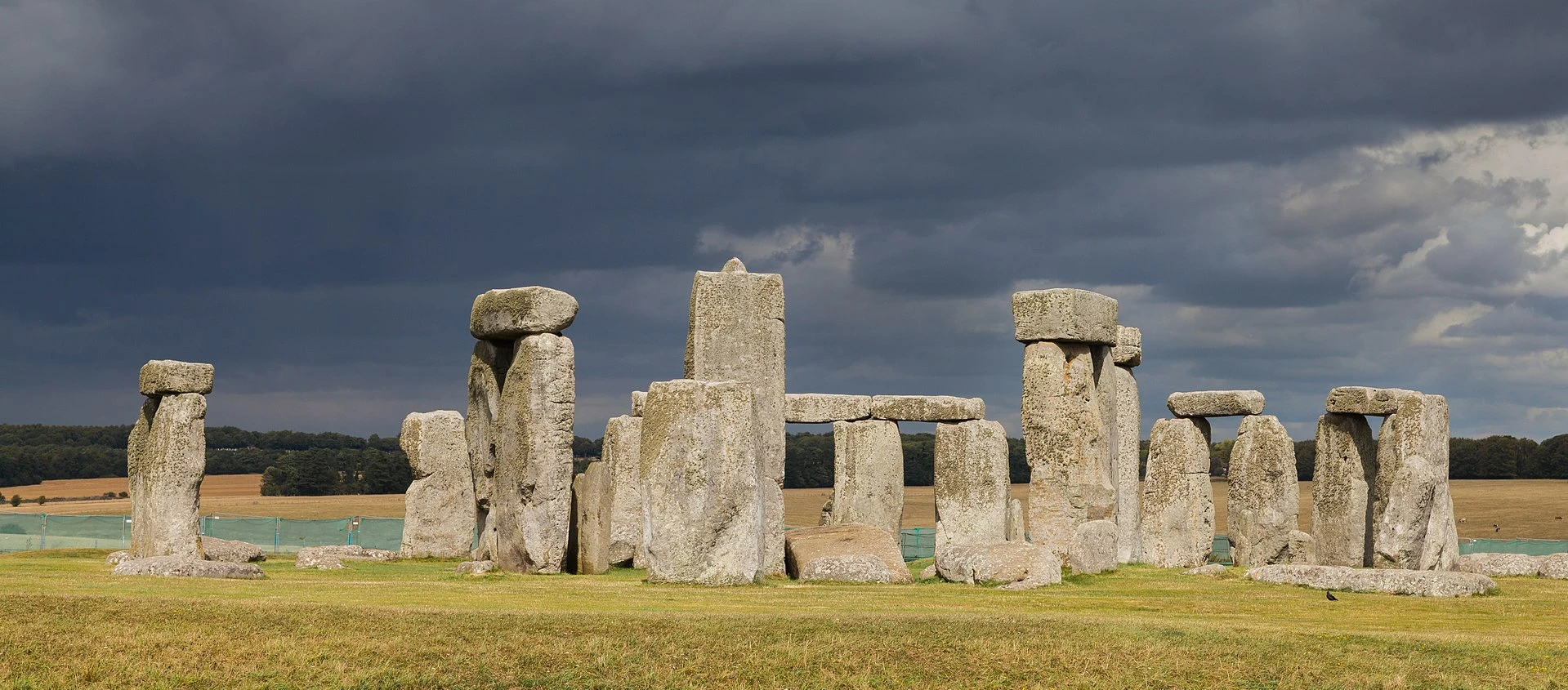
That wider setting has become even richer in recent years. Archaeologists have also been studying a vast Neolithic ring of pits near Durrington Walls, first identified in 2020, that forms a circle more than two kilometres wide and encloses more than three square kilometres around Durrington Walls and Woodhenge. University of Bradford researchers said in November 2025 that the pits can measure up to 10 meters across and five meters deep, and that new analyses suggest they were human-made, date to the Late Neolithic and may have marked a sacred boundary linked to ceremonial activity. Together, the discoveries show that Stonehenge was part of a much larger sacred landscape, built up over centuries by people who tied ritual life to the movements of the sun.
Sources
- [1]nytimes.com
- [2]wessexarch.co.uk
- [3]bradford.ac.uk
- [4]forbes.com
- [5]telegraph.co.uk
- [6]apnews.com