US News
Archaeologists uncover Bunker Hill fort linked to Revolutionary War battle
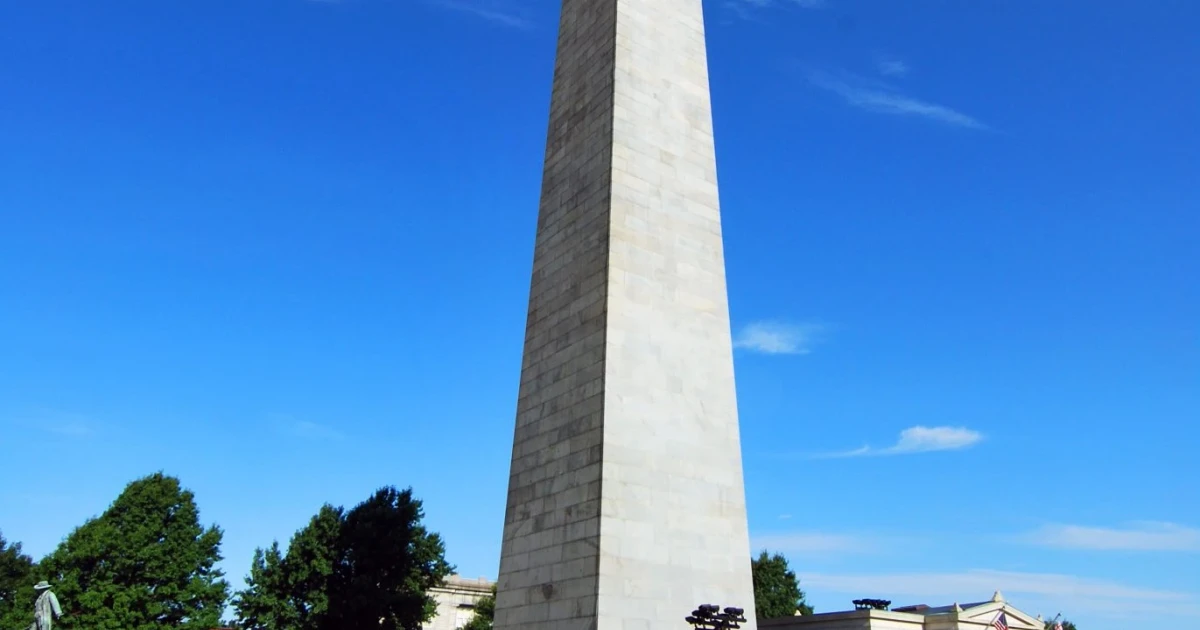
Musket balls and gun flints pulled from the ground at Bunker Hill have helped archaeologists fix the outline of the earthen redoubt that American patriots built to slow British troops in 1775. The find gives historians a rare physical link to one of the Revolution’s defining battles, hidden for generations beneath a park where families have long walked, played and picnicked.
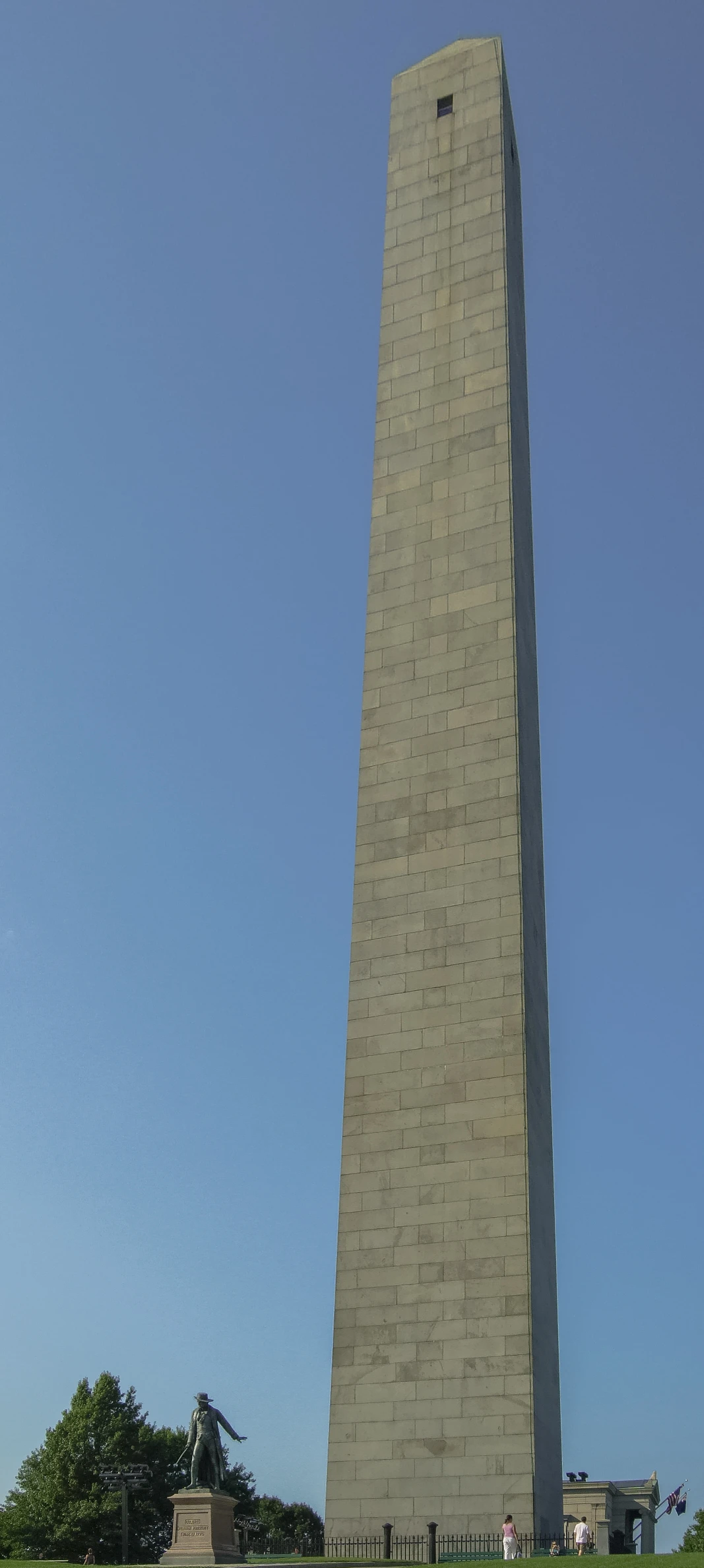
The excavation took place on the grounds of the Bunker Hill Monument in Charlestown, where a 221-foot granite obelisk dedicated in 1843 now marks the battlefield. The National Park Service says the monument stands on the site where Provincial forces built an earthen fort before the fight, and it remains a place where memory, ceremony and daily public use overlap. The monument has 294 stairs to the top, but the new evidence came from below, where modern survey work and careful digging exposed traces of the colonial position.
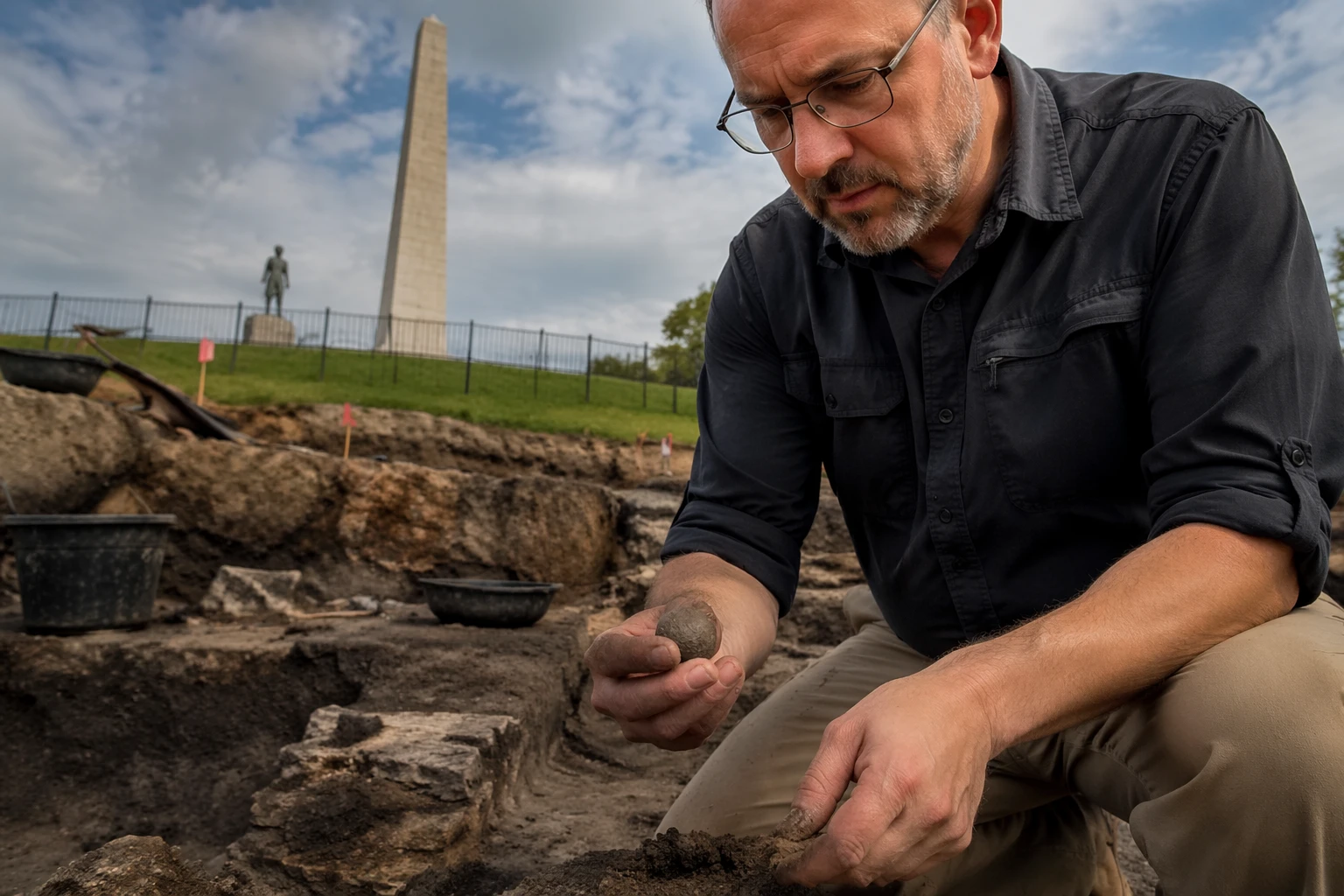
Archaeologists used ground-penetrating radar, conducted by Chartrand Geoarchaeological Solutions, LLC, and a centuries-old map to identify where the fort most likely stood. That combination led them to the redoubt’s outline and to artifacts that fit the battle scene: musket balls, gun flints and other period material. City archaeologists said the 2026 work uncovered hundreds of artifacts and revealed complex soil stratigraphy, adding detail to a site that has often been understood more through monument and myth than through excavated evidence.
The discoveries matter because Bunker Hill was not just another clash. Fought on June 17, 1775, weeks after Lexington and Concord, it became famous even though British forces claimed the field. The British suffered about 1,000 wounded or killed among roughly 2,400 soldiers and Marines engaged, and Boston officials say the battle killed more than 300 troops and led to the burning of Charlestown. The fight also changed British perceptions of the Continental Army, making the shape and placement of the patriots’ defenses a question with real historical weight.
Joe Bagley, Boston’s city archaeologist since 2011, has framed the Charlestown 250 archaeology effort as part of a broader effort to widen the historical record, including the stories of women, children, disabled residents, and Black and Indigenous Bostonians. The project follows the long arc of preservation that began with the Bunker Hill Monument Association in 1823 and now unfolds inside Boston National Historical Park, where a battlefield, a memorial and a neighborhood continue to share the same ground.
Sources
- [1]apnews.com
- [2]boston.gov
- [3]nps.gov
- [4]charlestownbridge.com