Science
Archaeologists uncover possible Roman firefighters’ barracks near the Colosseum
Archaeologists at Villa Celimontana near the Colosseum uncovered a second-century building decorated with mosaics and frescoes that Rome’s archaeological office said could have served as barracks for the vigiles, the city’s fire service. Five of the structure’s eight rooms had been examined, and the mix of ornament and layout is helping specialists judge whether the building was a utilitarian base for emergency responders rather than a private residence.
The discovery matters because the vigiles were one of imperial Rome’s key urban institutions. They handled fires, patrolled at night and performed police and emergency duties in a capital packed with dense construction and constant traffic. Historical records say Augustus organized the force in AD 6, and that the brigade was divided into seven cohorts covering Rome’s 14 regions, a system built for a city where a fast response could mean the difference between containment and catastrophe.
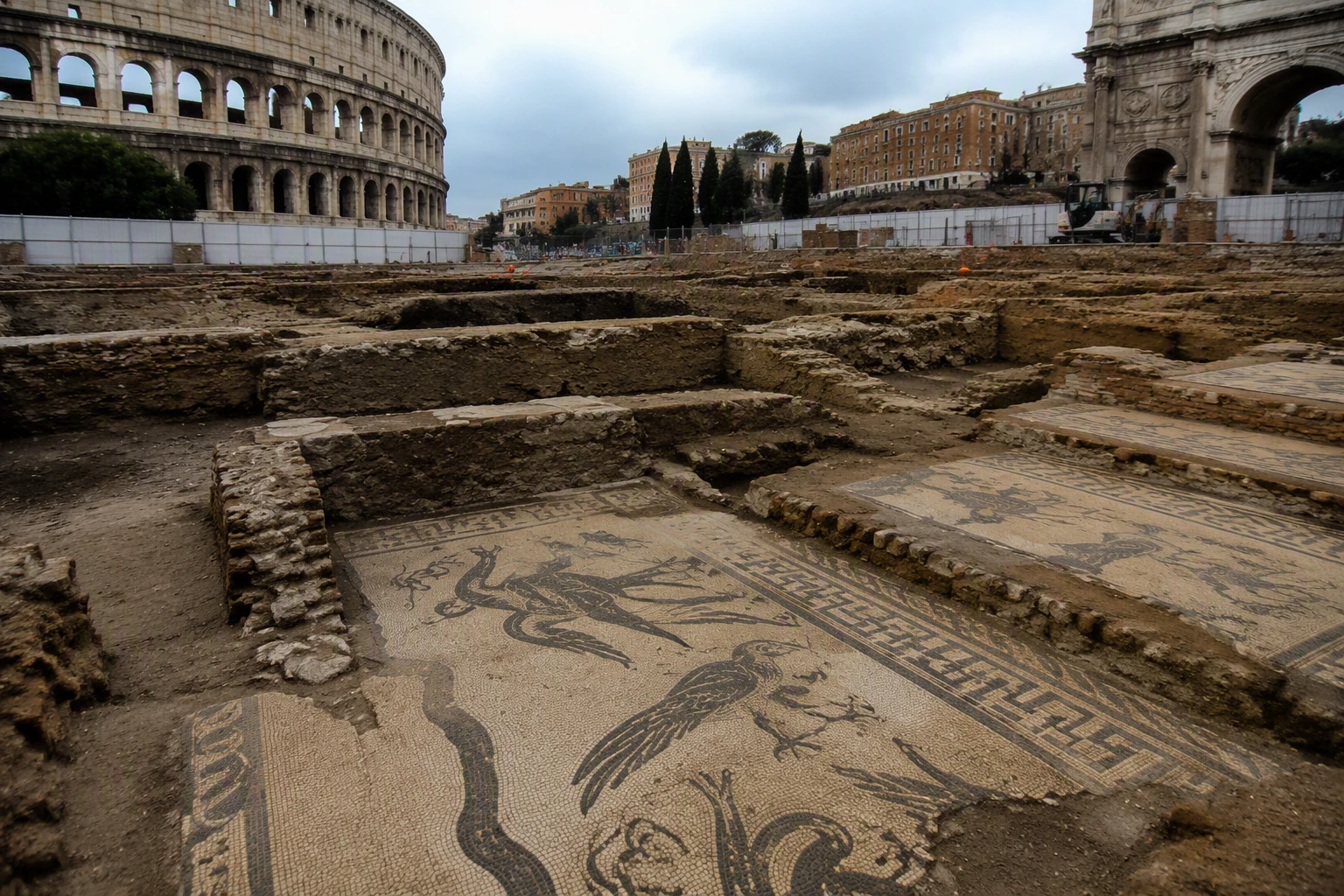
A comparison with Ostia is strengthening the case. The mosaic design in the new Rome building closely resembles one previously found in a vigiles barracks in Ostia, the ancient port about 30 kilometers from the capital. That earlier complex has a long excavation history: the first digs were carried out in 1888-1889 by Rodolfo Lanciani, the work was completed in 1911-1912 by Vaglieri, and Fausto Zevi dug a trench there in 1964.
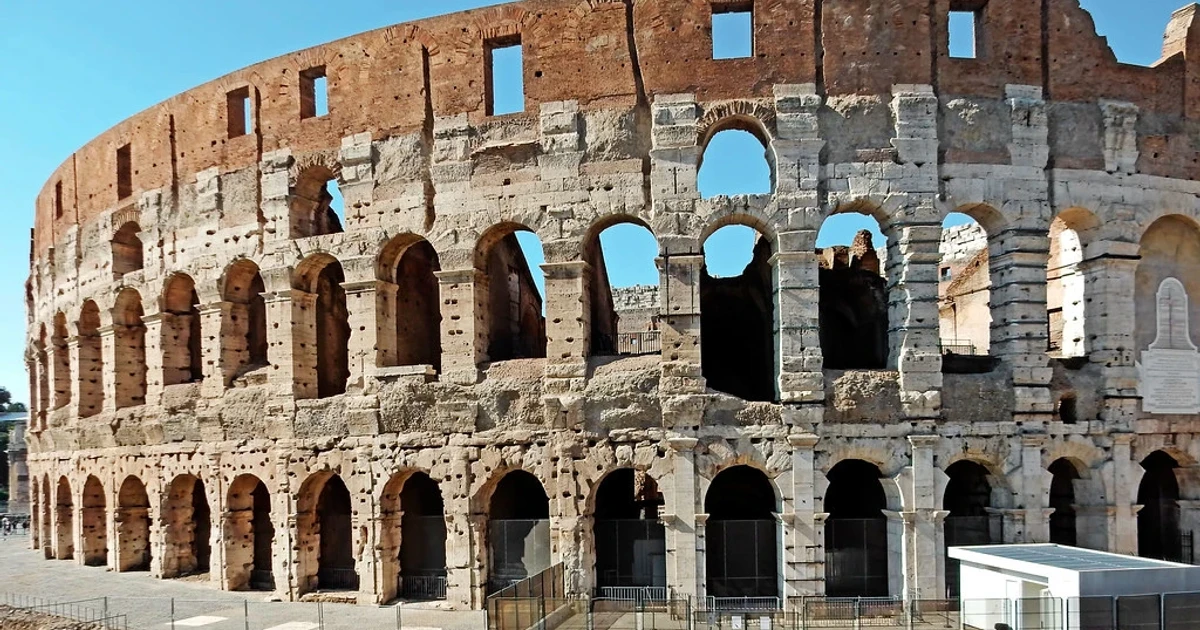
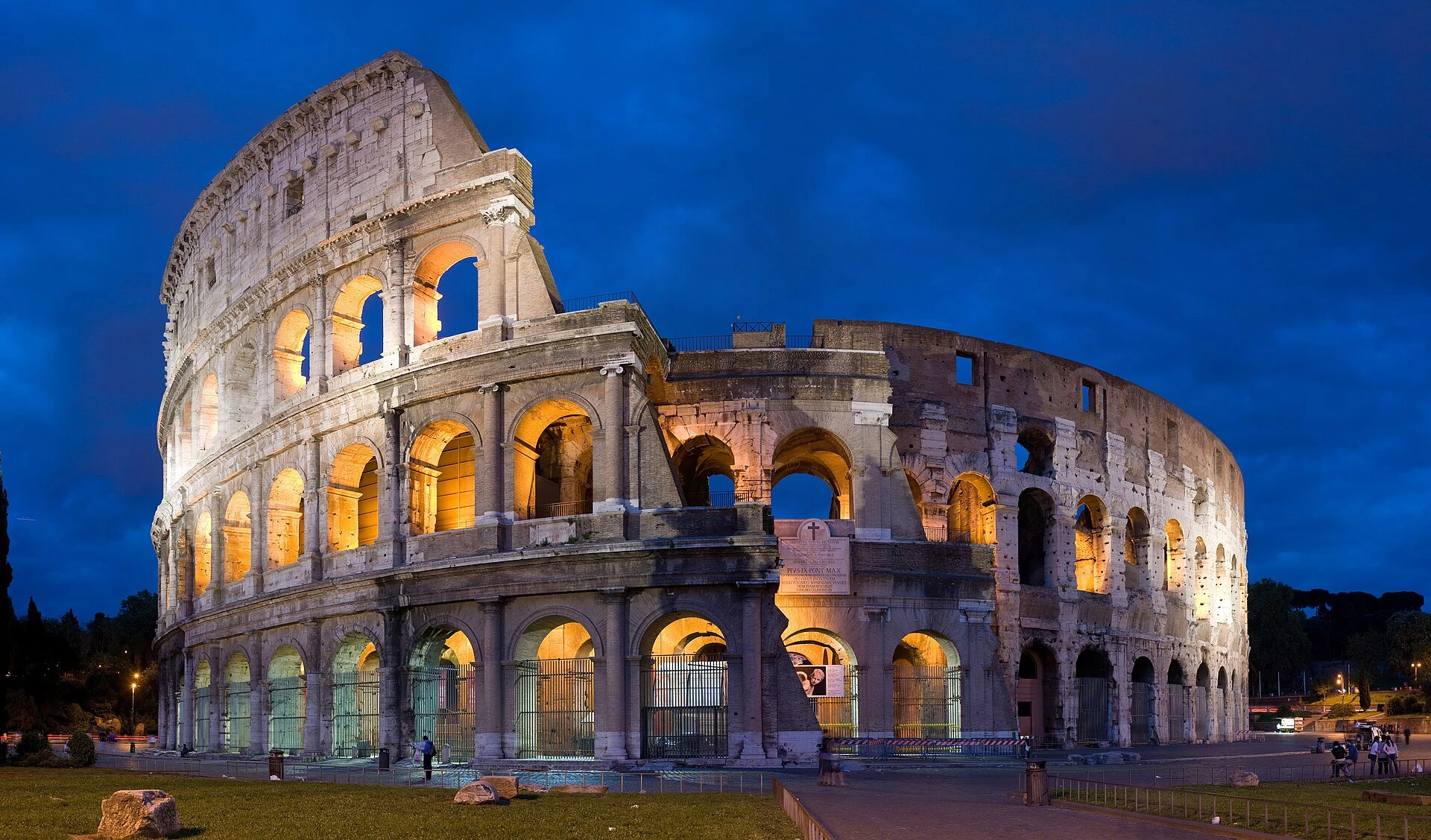
The setting near the Colosseum adds another layer to the find. Villa Celimontana sits in one of Rome’s most heavily studied districts, but the area was also a working part of the ancient city, not just a ceremonial backdrop. A barracks here would fit the practical needs of an empire that had to protect crowded neighborhoods, manage nighttime disorder and keep the capital functioning under constant fire risk.
A handout image released Aug. 5 showed a worker cleaning a mosaic floor uncovered during the excavation, and the image itself was taken on July 30. For archaeologists, the decorated surfaces are not just attractive remains: they are clues to how Rome housed the people responsible for everyday public safety. If the identification holds, the building will offer one of the clearest physical links yet between the Colosseum district and the civic machinery that kept ancient Rome standing.
Sources
- [1]reuters.com
- [2]internazionale.it
- [3]usnews.com
- [4]jpost.com
- [5]ostia-antica.org
- [6]thecollector.com