Technology
Archer and Anduril unveil autonomous aircraft platform for military and commercial use
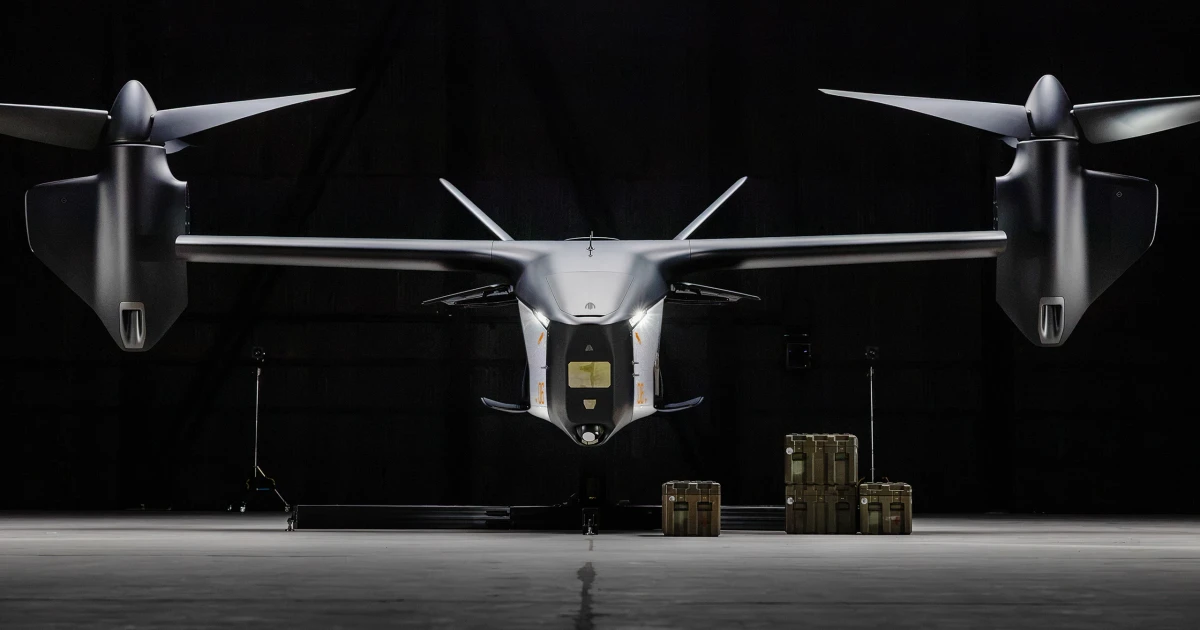
Archer Aviation and Anduril unveiled an autonomous aircraft platform at the Farnborough International Airshow in Farnborough, England, placing their joint push squarely in the middle of the new aerospace race. The platform is designed for both defense and commercial applications, with the defense version named Thunder and described as a Group 5 autonomous aircraft.
The companies built the system around a series hybrid-electric powertrain and tilt rotors designed to vary rotor speed across flight conditions. Its planned missions include military strikes, cargo movement, remote logistics and other operations from austere locations, a mix that shows how military demand is shaping products that could later move into civilian markets.
Archer and Anduril first announced an exclusive partnership on December 12, 2024, when Archer said it was raising an additional $430 million. At that point, Archer said the collaboration was aimed at developing a hybrid VTOL aircraft for critical defense applications targeting a potential program of record from the U.S. Department of Defense. The Farnborough unveiling widened that earlier defense deal into a broader autonomous platform pitched for two markets at once.
That dual-use positioning matters because it gives Archer a faster path to revenue in defense even as its passenger-aircraft business works through certification. In its 2026 first-quarter results, Archer said it had made record progress in the FAA type-certification process for its Midnight eVTOL aircraft and expected initial U.S. operations in 2026. The defense platform now sits alongside that effort, rather than replacing it, as Archer tries to balance commercial airline ambitions with military procurement opportunities.
The timing also reflected how much of Farnborough had shifted toward weapons and defense capabilities, not just jet orders. For traditional planemakers, the competition is no longer only about seats, range and fuel burn. It is also about autonomy, software-defined hardware and whether aircraft can be built to serve logistics, defense and civilian transport before slower certification cycles let rivals catch up.