Technology
Arcturus raises $8 million to boost copper conductivity with lasers

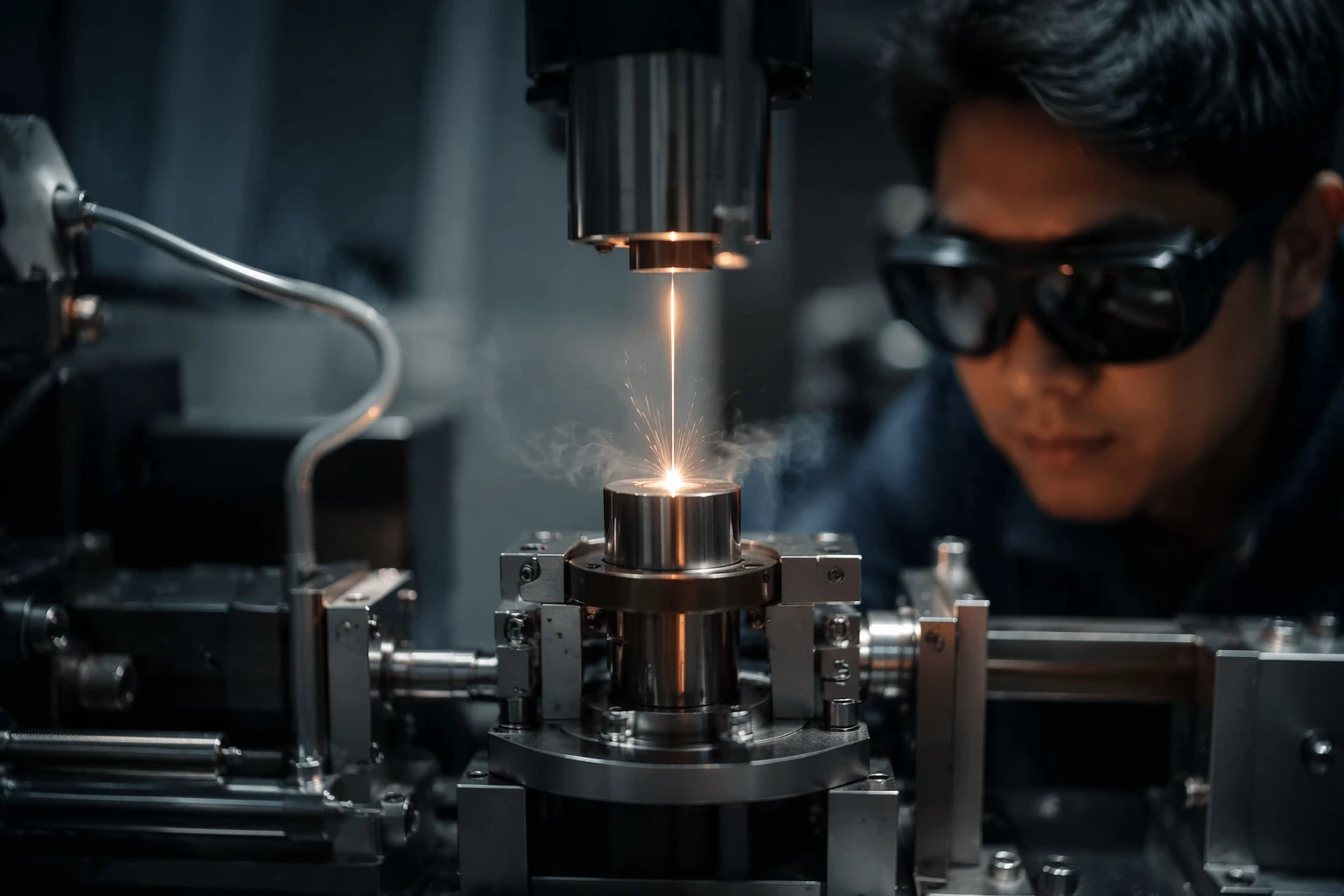
Arcturus emerged from stealth with an $8 million seed round as it tries to use lasers to infuse carbon nanomaterials into copper and improve how electricity moves through hardware. The Los Angeles startup said its total capital raised is now $10 million, with Initialized Capital leading the round and 1517, Breakthrough Energy Discovery, Toyota Ventures and Wireframe Ventures participating.
The company is starting with places where a smaller efficiency gain can show up fast: motor windings, drones, robotics, data centers, bus bars and heat sinks. Arcturus says the same materials are meant to work as a drop-in solution, with longer-term ambitions that extend to transmission lines and broader grid infrastructure. That is a much harder test than a lab demo. To matter for power bills, capacity and the clean-energy buildout, the material has to be manufacturable at scale, durable at real operating temperatures and cheap enough to fit into existing supply chains.
The stakes are not abstract. The U.S. Energy Information Administration estimates that about 5% of electricity transmitted and distributed in the United States was lost on average from 2018 through 2022. If a conductor can cut resistive loss even modestly, the impact could reach beyond one device or one factory floor and into the grid that serves homes, businesses and industrial users across the country.
The strongest technical context still comes from laboratory work. Argonne National Laboratory says it is developing copper and aluminum conductors by infusing nanocarbon into the metal matrix, and it has measured roughly a 30% increase in electrical conductivity in nanocarbon-infused copper thin films. A 2024 paper reported up to a 30.20% increase in conductivity in multilayer copper-carbon nanofilms. Those results show real promise, but they also show the gap between thin films in a research setting and conductors that have to run reliably inside motors, data centers and, eventually, the transmission system.
Sources
- [1]techcrunch.com
- [2]markets.businessinsider.com
- [3]eia.gov
- [4]anl.gov
- [5]link.springer.com