Sports
Argentina and France’s 2022 World Cup final remembered
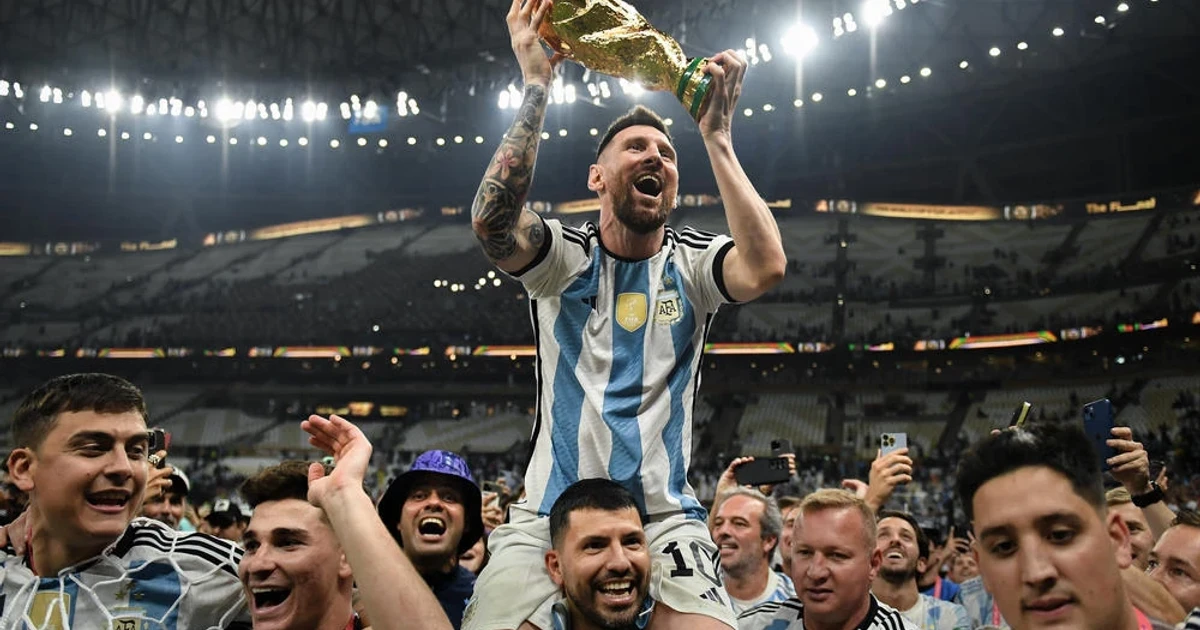
Lionel Messi and Kylian Mbappé turned the 2022 World Cup final into a referendum on nerve, timing, and legacy. Argentina won 4-2 on penalties after a 3-3 draw in extra time, but the scoreline only hints at how violently the match changed shape in Lusail.
A final that rewrote the script
The match was played at Lusail Stadium in Lusail, Qatar, on 18 December 2022, with kickoff at 18:00. It closed a tournament staged in the Middle East for the first time and, by FIFA’s own tournament records, the most geographically compact World Cup since 1930. Argentina left with its third World Cup title, a result that finally matched the expectations built around Messi’s last run at the trophy.
For long stretches, Argentina controlled the final through the kind of direct, efficient attack that punishes hesitation. Messi converted a penalty in the 23rd minute, then Ángel Di María added a second in the 36th, giving Argentina a 2-0 lead that looked decisive. At that point, France needed not just a tactical correction but a shift in tempo and belief.
How Argentina seized the first half
Argentina’s opening 45 minutes were built on discipline and precision rather than chaos. The side’s structure allowed Messi to dictate attacks while Di María attacked space with speed, and the reward was a two-goal cushion before halftime. The game felt settled because Argentina had already forced France into chasing the match from a deficit that rarely disappears against a team this experienced.
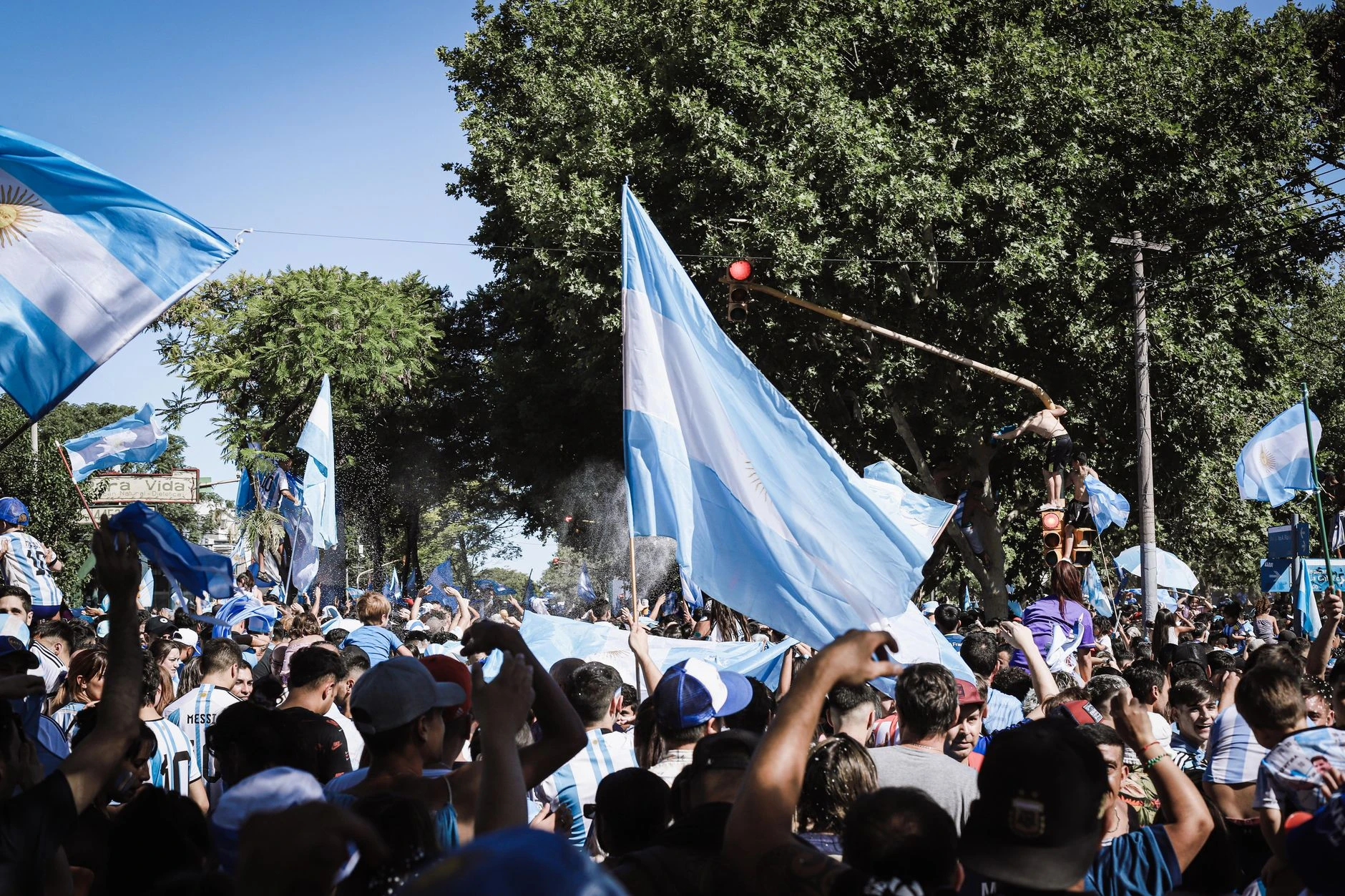
That first-half lead is the reason the final still matters in tactical terms. It showed how a compact, controlled plan can look complete against elite opposition, and then vanish if the opponent finds one opening. Finals are often decided by small margins, but this one briefly suggested the margins were already closed.
Mbappé’s 95-second response changed everything
France did not stay quiet for long. Kylian Mbappé scored twice in 95 seconds in the second half, a burst that instantly changed the geometry of the match and dragged France back into contention. In one short spell, the final stopped looking like an Argentina coronation and became a high-stakes race to survive momentum.
Mbappé’s intervention remains one of the defining individual sequences in modern final history. He finished the night with three goals, becoming the first player to score a hat trick in a men’s World Cup final since 1966. Even in defeat, his performance reset how France and the wider game measure an elite forward in the biggest match of all.
Extra time delivered one more swing
The chaos did not stop at 90 minutes. Messi restored Argentina’s lead in the 108th minute, only for Mbappé to respond from the spot in the 118th minute and complete his hat trick. That left the final level at 3-3 after extra time, with two of the sport’s defining names producing the scoreline that will keep this match in circulation for years.
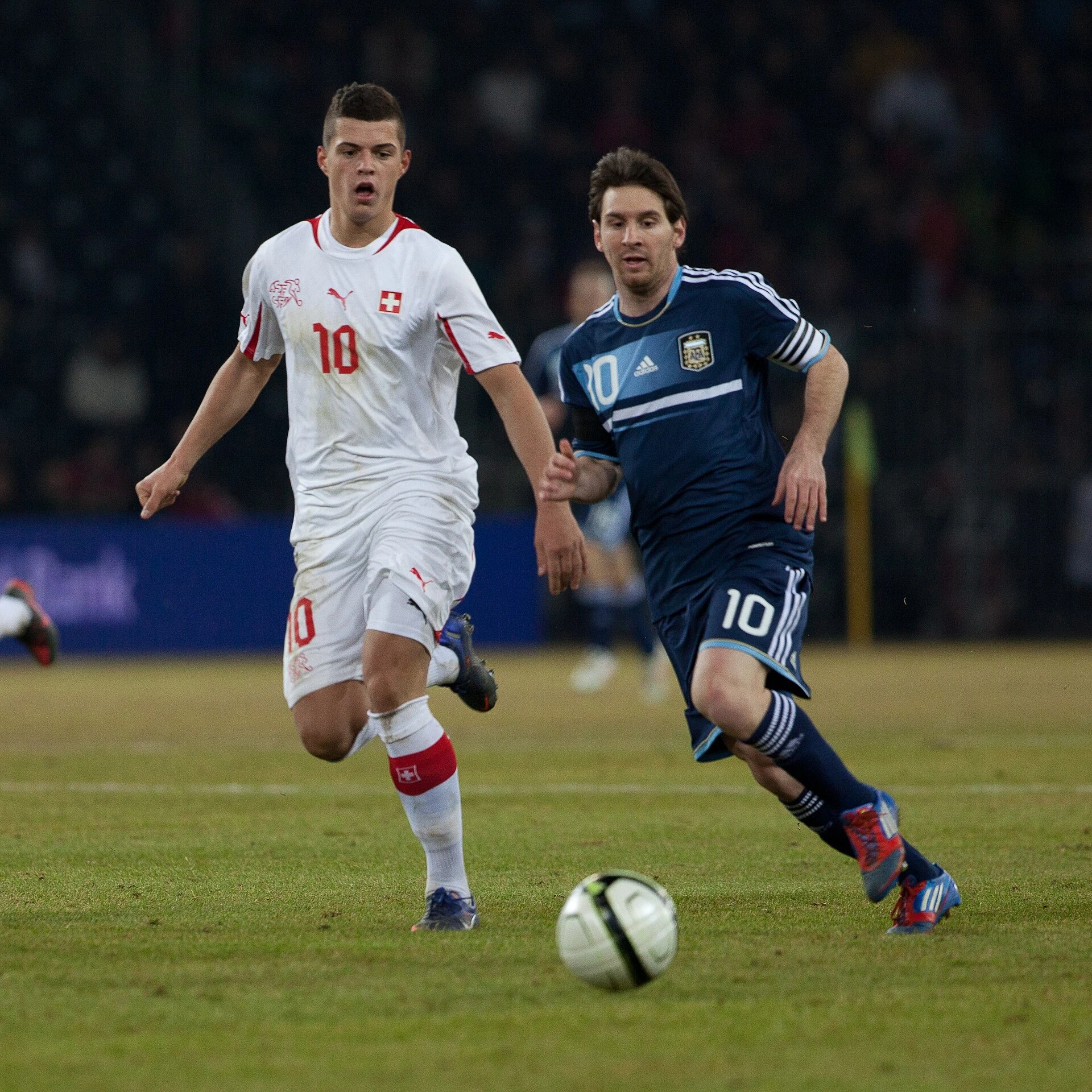
The final then moved to penalties, where Argentina prevailed 4-2. Messi and Mbappé both converted from the spot, but Argentina handled the shootout with greater control and left Lusail as champions. The result gave Messi the one title that had long defined the gap in his résumé, while France exited with the burden of having come within minutes of defending the trophy.
What the 2022 final means for every final since
The 2022 match reset expectations for both teams and for the players who shaped it. For Argentina, it confirmed that a team can win a World Cup final through patient buildup, a lead, and then enough resilience to endure the late swings that define championship football. For France, it reinforced that a final can be rescued in seconds, but also that a furious comeback still leaves no room for error once the match reaches the spot-kick stage.
It also changed the way Messi and Mbappé are discussed in tournament football. Messi left Qatar as a World Cup winner after delivering two goals in the final, including the opening penalty and the extra-time strike that briefly restored Argentina’s lead. Mbappé left as the rare losing finalist whose individual output was so overwhelming that it almost detached him from the result, a hat trick in a final that still was not enough.
For the 2026 closing stretch, that is the benchmark now. Any final that follows has to live in the shadow of a night when a 2-0 lead was erased, a superstar answered with a hat trick, and the championship still turned on penalties. The 2022 final did not just crown Argentina, it raised the standard for what a World Cup final can demand from its stars, its coaches, and its nerve.
Sources
- [1]cbsnews.com