World
Argentina to return rescued maned wolf siblings to the wild
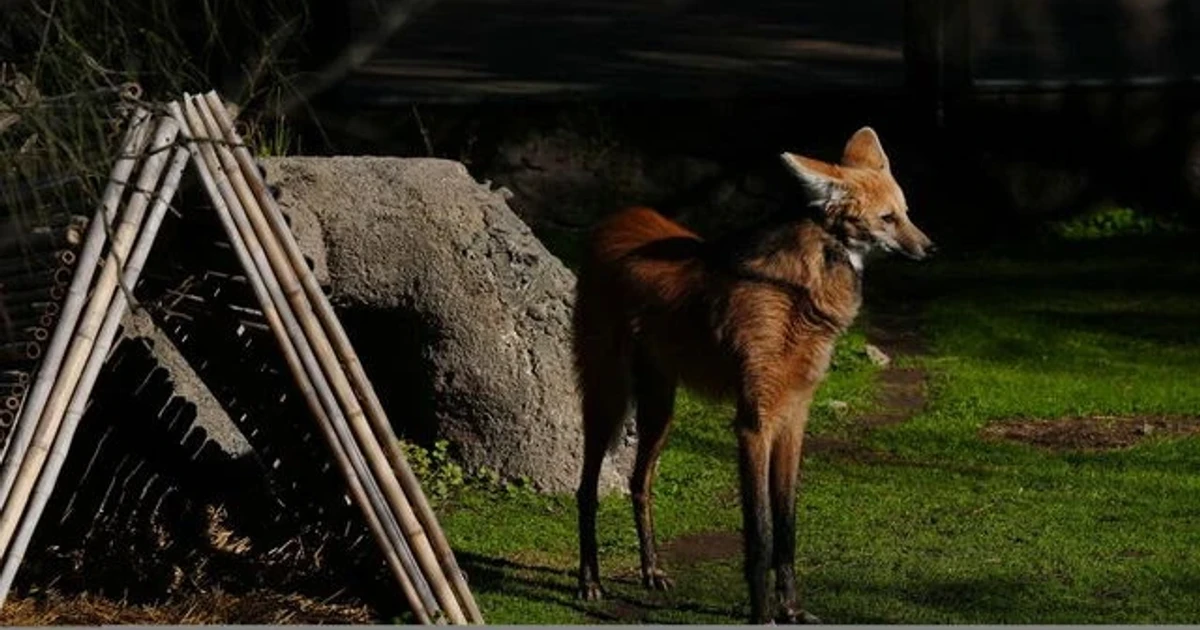
Sun and Moon will head back to the grasslands and wetlands of northern Corrientes Province in July, after months of care at the Temaiken Foundation outside Buenos Aires. The male-female siblings were taken in after their mother died, and veterinarians checked them again on June 23 as they prepared for release in Ibera National Park, where they were born.
The return is a small but closely watched conservation test for Chrysocyon brachyurus, the maned wolf, a species that is neither wolf nor fox but a long-legged canid adapted to South America’s open landscapes. The animal’s reddish fur, oversized ears and bushy tail have made it a regional icon, while its eerie howl has fed local folklore, including stories of the lobizón, a werewolf-like figure. Those cultural ties matter because wildlife recovery in Argentina depends not only on biology, but on whether communities see the species as part of the landscape worth protecting.
The maned wolf is listed by the International Union for Conservation of Nature as Near Threatened. An IUCN assessment puts the global population at about 17,000 mature individuals, with more than 90% in Brazil, and identifies habitat loss and deforestation as major threats. That makes each successful reintroduction more than an isolated rescue: every animal returned to the wild adds to a species still under pressure across much of its range.
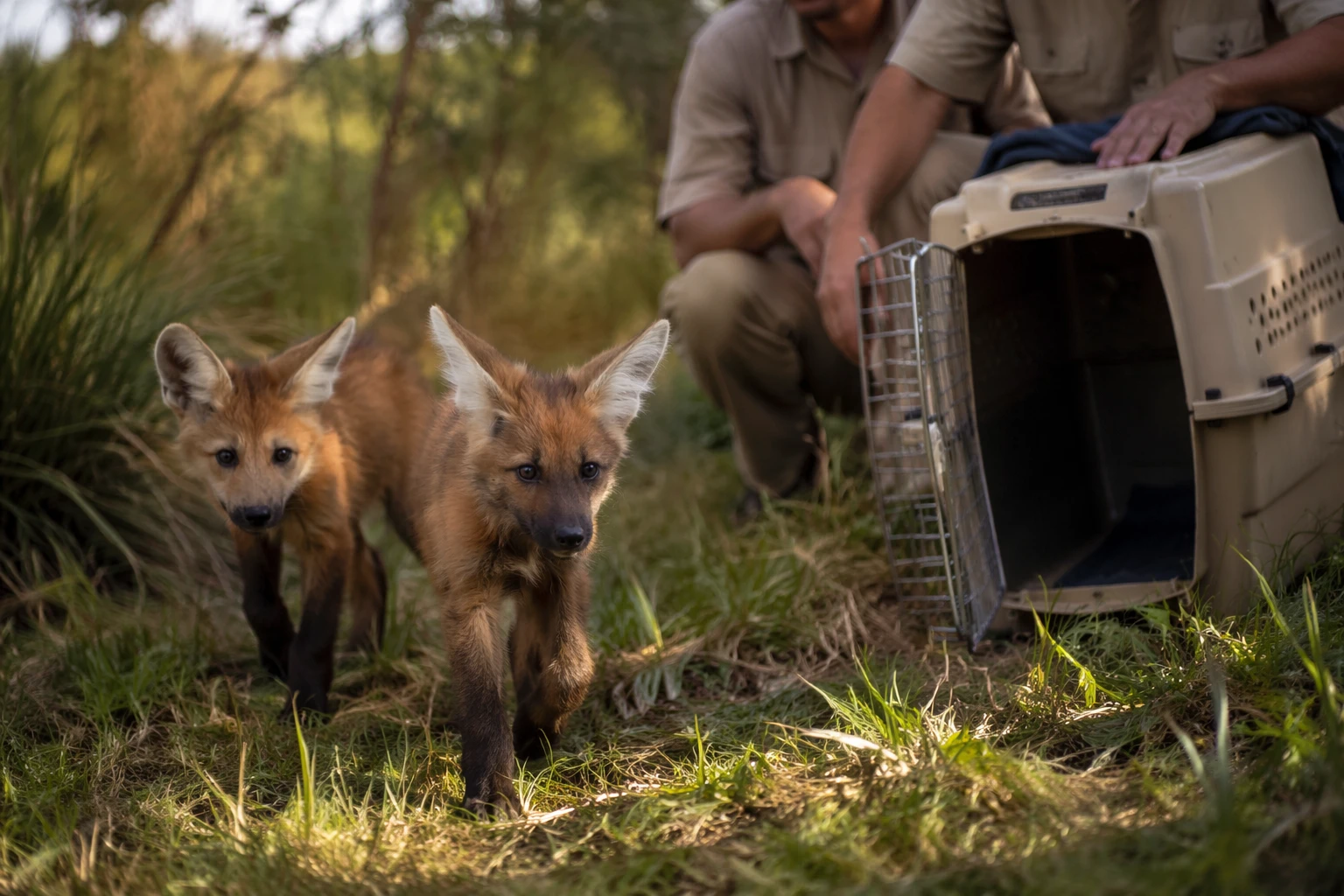
Ibera National Park offers one of the strongest remaining settings for that work. Argentina’s national parks authority says the park conserves more than 195,000 hectares of the Iberá wetlands ecoregion, and describes Iberá as one of the great freshwater wetlands of the planet. Rewilding Argentina has already recorded maned wolf reproduction there, including the birth of three pups in 2021, a sign that the ecosystem can support the species if pressures remain manageable.
The challenge now is survival after release. Sun and Moon will need to adapt to a wild environment where habitat pressure and human disturbance still shape the odds. Their return will add to a broader Iberá rewilding effort that has spent years restoring wildlife across the basin, and it will test whether rescue can become durable species recovery rather than a single headline of success.