Politics
Arizona Republicans choose governor nominee in key battleground primary
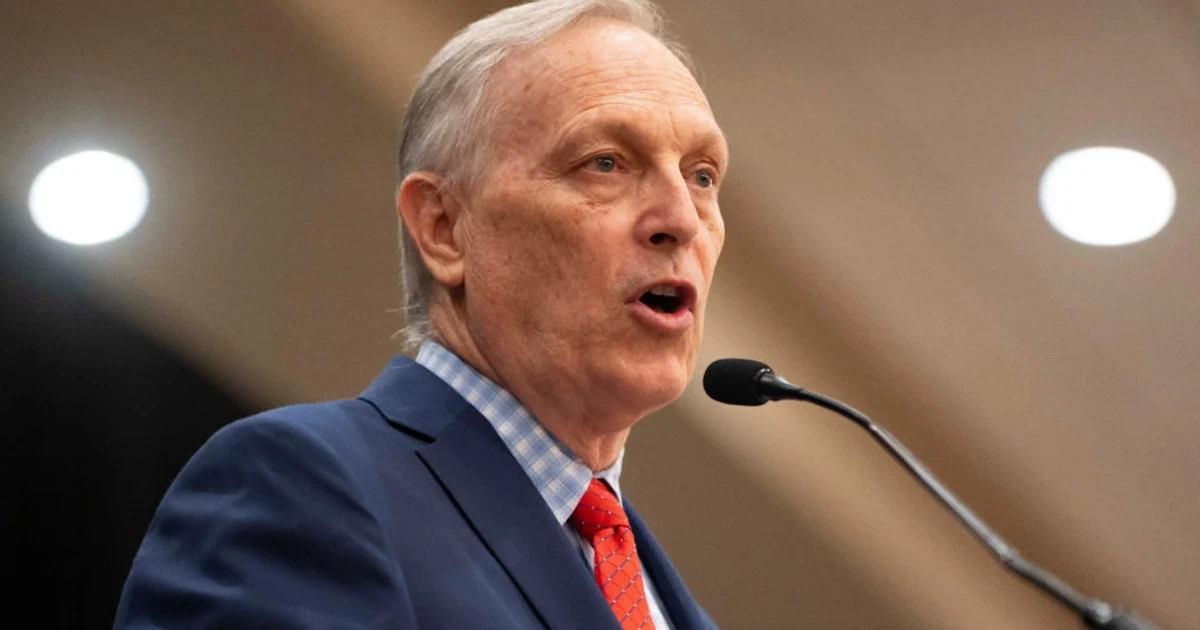
Arizona Republicans will choose their nominee for governor in Tuesday’s primary, setting up a November challenge to Democratic Gov. Katie Hobbs in one of the country’s tightest battlegrounds. The field includes Andy Biggs, Ken Miceli, Scott Neely, David Schweikert and Karrin Taylor Robson, after candidates spent June sparring in an AZPM debate on June 17 and another debate posted June 18 by the Arizona Clean Elections Commission.
Biggs enters as the Trump-endorsed frontrunner, giving the race an early test of how much room there is in Arizona for a hard-edged Trump-aligned message. The outcome will also show how Republican voters are weighing abortion politics alongside immigration, border security, inflation, water and the cost of living, all of which have competed for attention in recent Arizona campaigns. It will be a first look at whether the party is prioritizing ideological loyalty or electability in a state where suburban voters and independents often decide statewide races.
Arizona’s election calendar is already moving. Early voting began June 24, and voter registration closed June 22 at 11:59 p.m., according to the Arizona Secretary of State. Polls will be open from 6 a.m. to 7 p.m. on Election Day, and the statewide official canvass is set for August 6. The general election will come with one more structural change: Proposition 131, approved by voters in 2022, created the office of lieutenant governor beginning with the 2026 election, so gubernatorial candidates must also choose a running mate.
That new framework adds another layer to a race that will shape Arizona’s governing structure as well as its politics. The winner will not only take on Hobbs, but also help determine who becomes the state’s first lieutenant governor under the new system in 2027.
The stakes are high because Arizona has already shown how close statewide races can get. AP called Katie Hobbs’ 2022 victory over Kari Lake after concluding Hobbs had enough votes, even as later Maricopa County updates leaned toward Lake. Barrett Marson has said unaffiliated voters make up 34 percent of Arizona’s electorate, a reminder that the coalition that wins a Republican primary must still expand for November. The primary will offer the clearest preview yet of whether Republicans can do that in Phoenix, Tucson and the suburbs that keep deciding the state.