World
Armenia opposition files legal challenge to election results

Armenia’s opposition moved the post-election fight from the street to the courts, filing a petition to annul the parliamentary results just days after Prime Minister Nikol Pashinyan’s Civil Contract party regained the lead. Strong Armenia, a pro-Russian alliance that won 23.2% of the vote, said irregularities had tainted the contest and formally challenged the outcome before the Central Election Commission of Armenia.
The petition sets up an early test of whether Armenia’s battered democratic institutions can contain a disputed result through legal procedure rather than confrontation. Aram Vardevanyan, speaking for Strong Armenia in Yerevan, said the bloc was challenging the result after the June 7 vote, which gave Civil Contract 49.8% and left Pashinyan in position to continue steering Armenia closer to Western partners. The final certified tally is expected to shape not only the next government but also the country’s stance between Moscow and the West, an issue that has become central since Pashinyan came to power in 2018.
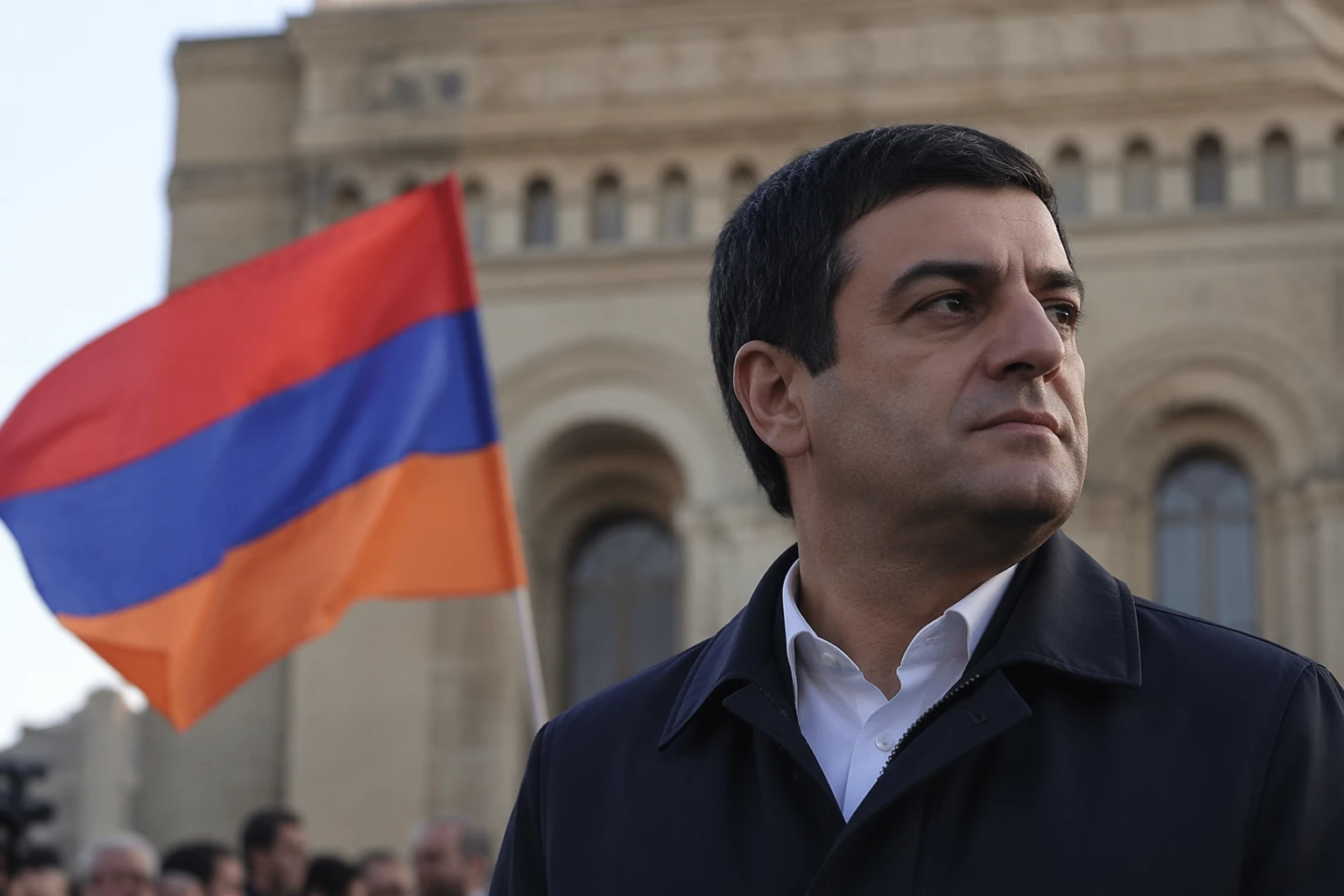
The election commission has already taken one unusual step. On Thursday, it invalidated results at two polling stations, citing a concentration of military personnel there after polls closed. Armenian media reported that the move cut into the vote share of Prosperous Armenia and pushed the party below the 4% threshold needed to enter parliament. Opposition figures also pointed to arrests before the vote, saying candidates and supporters were targeted in the run-up to polling day.
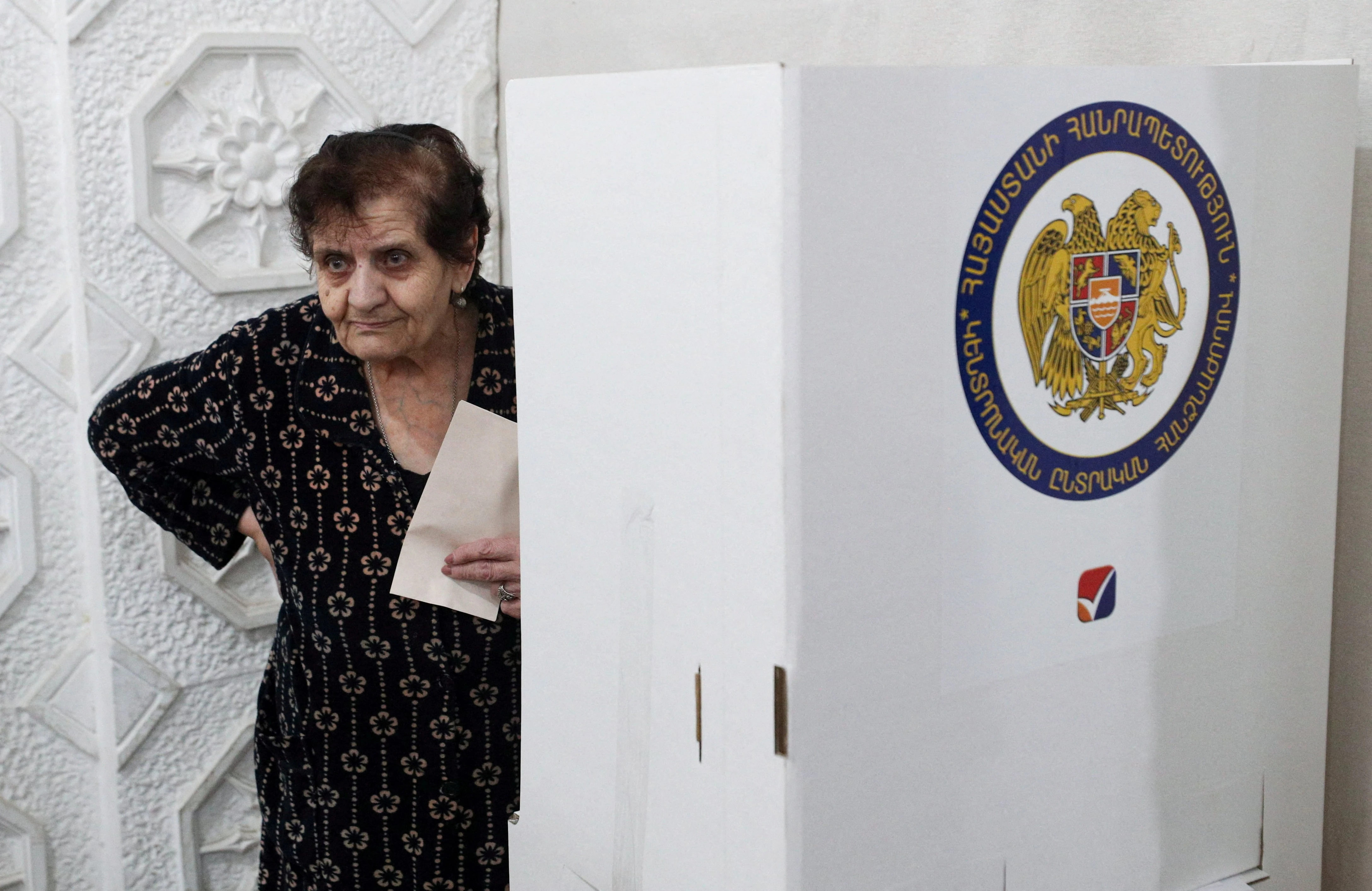
The broader monitoring picture was mixed. International observers said they saw allegations of vote-buying and other violations, but also said voting went smoothly in most polling stations. That mirrors the assessment of the OSCE Office for Democratic Institutions and Human Rights, which said Armenia’s 20 June 2021 early parliamentary elections were competitive and generally well-managed, while also marking them as deeply polarized and shaped by inflammatory rhetoric. The OSCE mission then deployed 250 short-term observers, 25 long-term observers and 11 core experts.

The legal stakes are high because Armenia has been here before. In 2021, the country held a 107-seat National Assembly election with 2,595,512 registered voters and 49.4% turnout; Civil Contract won 71 seats, the opposition challenged the outcome, and the Constitutional Court upheld the results on 17 July 2021. OSCE/ODIHR later urged reforms to curb vote-buying, improve publication of election data and ensure legal changes are made well before elections. This new challenge will show whether Armenia’s institutions can absorb a disputed vote without deepening the country’s domestic fractures or its strategic drift.
Sources
- [1]srnnews.com
- [2]odihr.osce.org
- [3]oscepa.org
- [4]data.ipu.org
- [5]reuters.com
- [6]pace.coe.int