World
Armenia seeks to repair strained ties with Russia after trade curbs
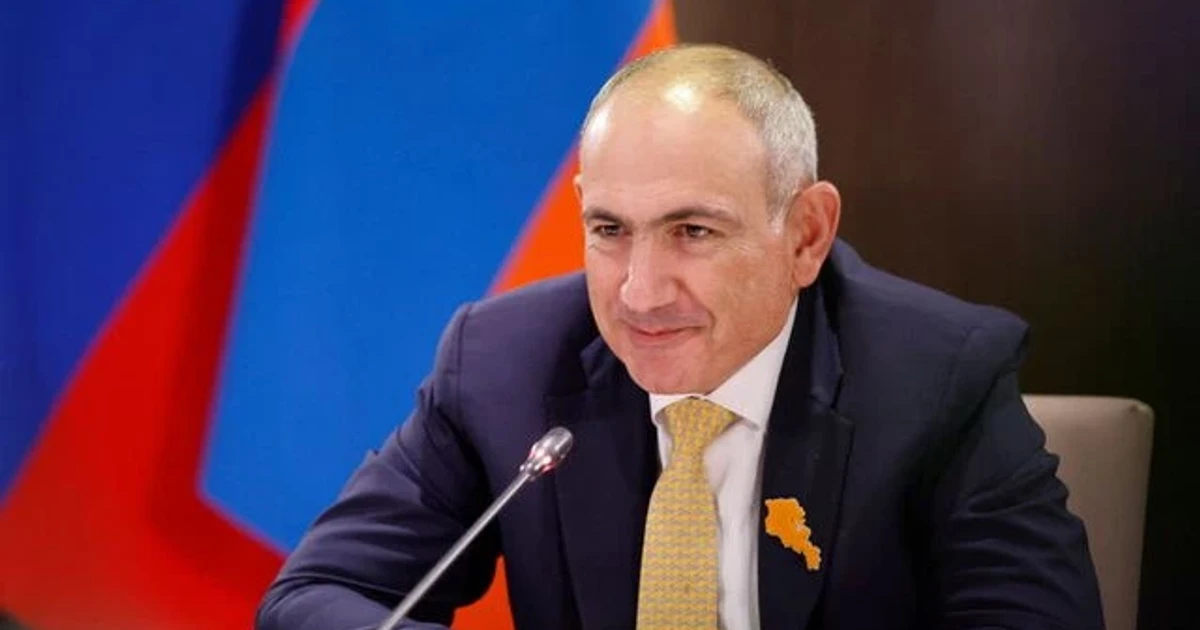
Nikol Pashinyan used his first trip to Russia since Armenia’s June 7 parliamentary election to signal that Yerevan still wants to steady relations with Moscow, even after a month of trade curbs hit some of the country’s most important exports. Speaking alongside Russian Prime Minister Mikhail Mishustin in Yekaterinburg at the Innoprom 2026 industrial exhibition, Pashinyan said he hoped the two sides could resolve the problems that had surfaced recently.
The talks came after Russia expanded restrictions on Armenian imports in June, targeting fresh produce, flowers, fish, seeds, wood, fertilizer, mineral water and alcoholic products. Those measures landed as Armenia was trying to deepen ties with the West, sharpening the pressure on a country that still depends heavily on Russia for energy and a large share of its foreign trade.
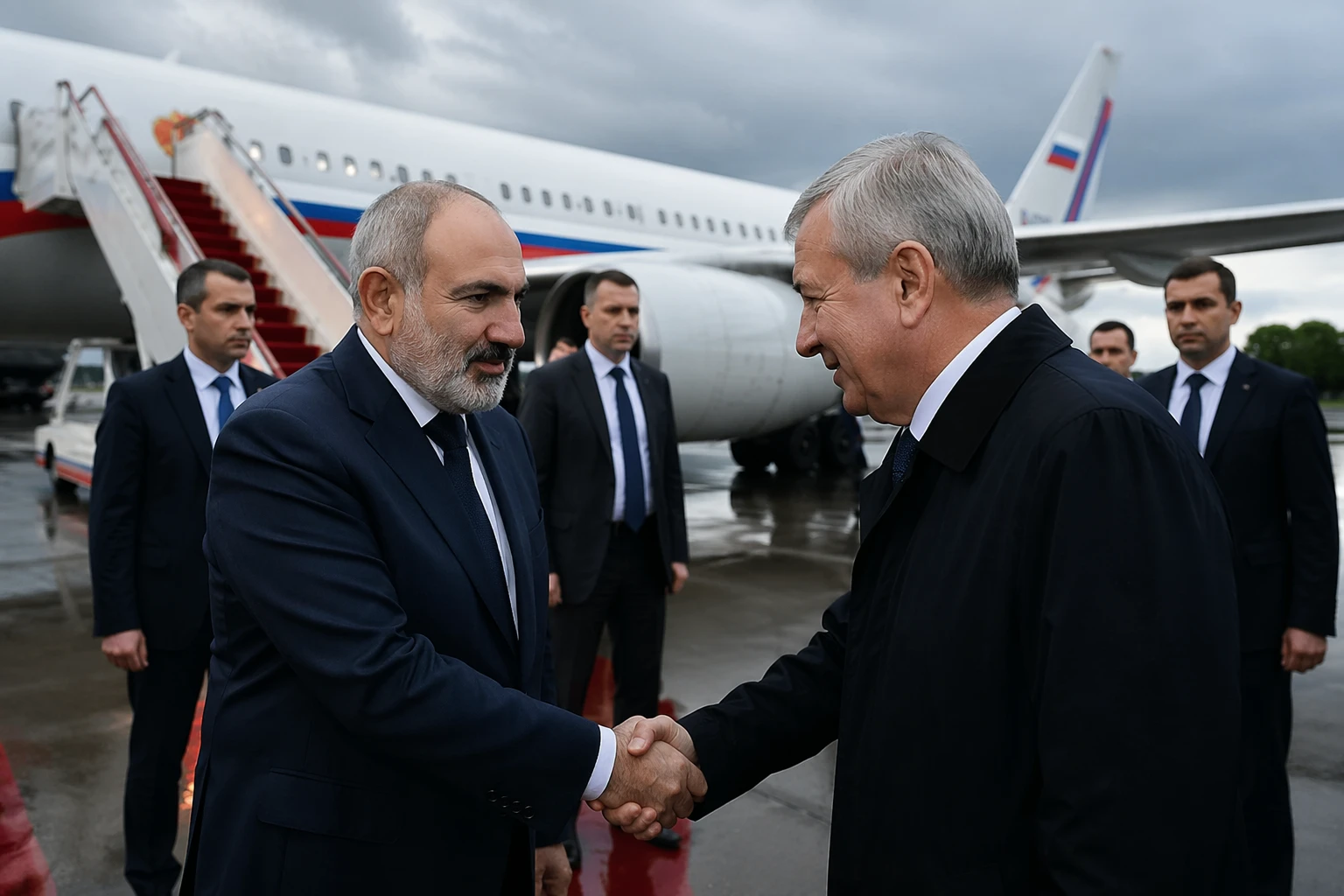
That dependence has made Armenia’s geopolitical shift difficult to carry out cleanly. Pashinyan has moved the country in a more pro-Western direction in recent years, irritating Moscow and opening recurrent disputes over trade, security and regional alignment. In 2023, Armenia accepted an EU-led civilian border monitoring mission and rejected a Russian proposal for a similar deployment. In June 2024, Pashinyan said Armenia would leave the Moscow-led Collective Security Treaty Organization, while Russian peacekeepers completed their withdrawal from Nagorno-Karabakh that same month after Baku recaptured the territory from Armenian separatists.
The European Union has stepped into the widening gap. On July 2, the European Commission announced additional support for Armenia, including emergency assistance and easier access for Armenian exports to the EU market, with a specific aim of helping exporters diversify away from losses caused by Russian restrictions. The package underscored how Armenia is trying to keep both channels open: Russia for hard security and existing commerce, Europe for political balance and new economic options.
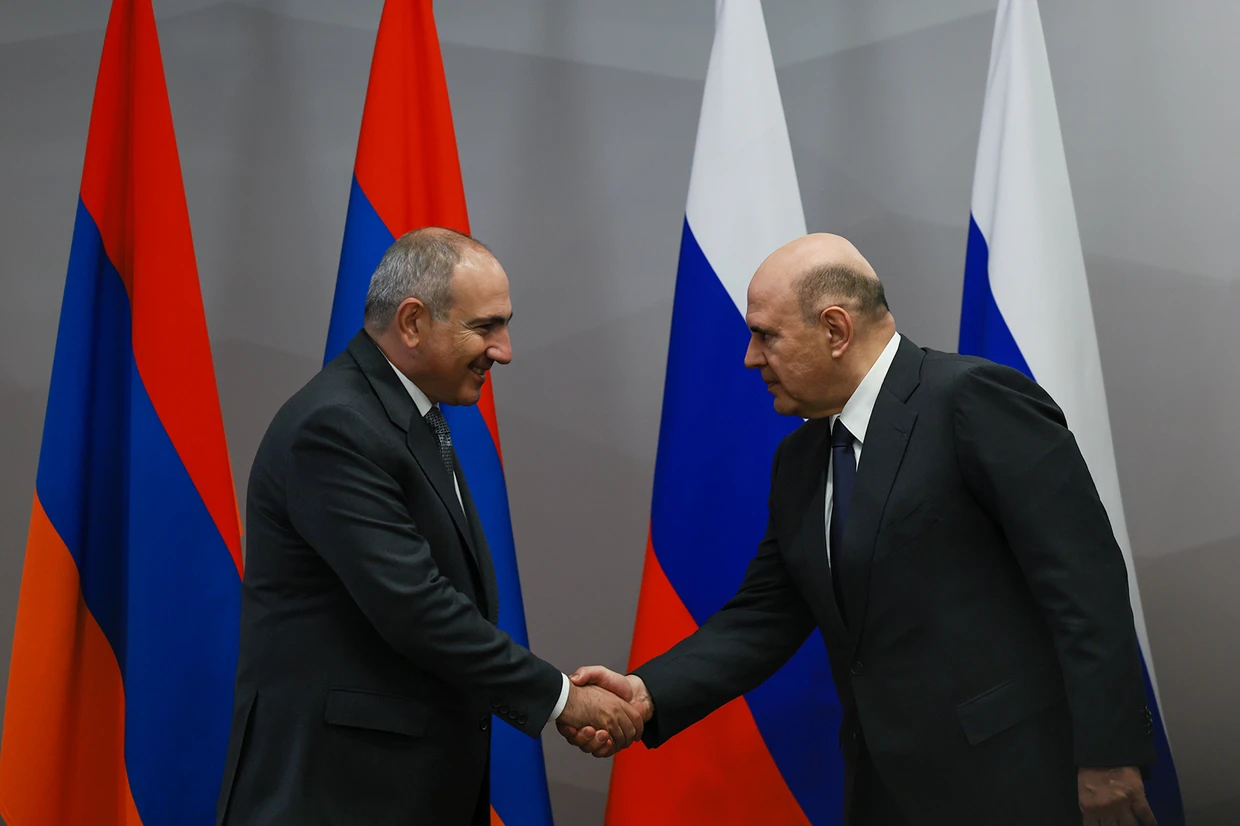
Pashinyan’s diplomatic reset effort also carried domestic weight. His Civil Contract party won re-election in the June 7 vote despite claims by international observers of Russian pressure and interference, and Armenia’s constitutional court rejected a pro-Russian opposition bid to overturn the result on July 4. With that ruling in hand, Pashinyan’s appearance beside Mishustin was more than a trade discussion. It was a calculated attempt to preserve room for maneuver as Armenia seeks to avoid deeper economic pain without abandoning its broader reorientation.