World
Armenia’s Pashinyan wins re-election amid Russian pressure
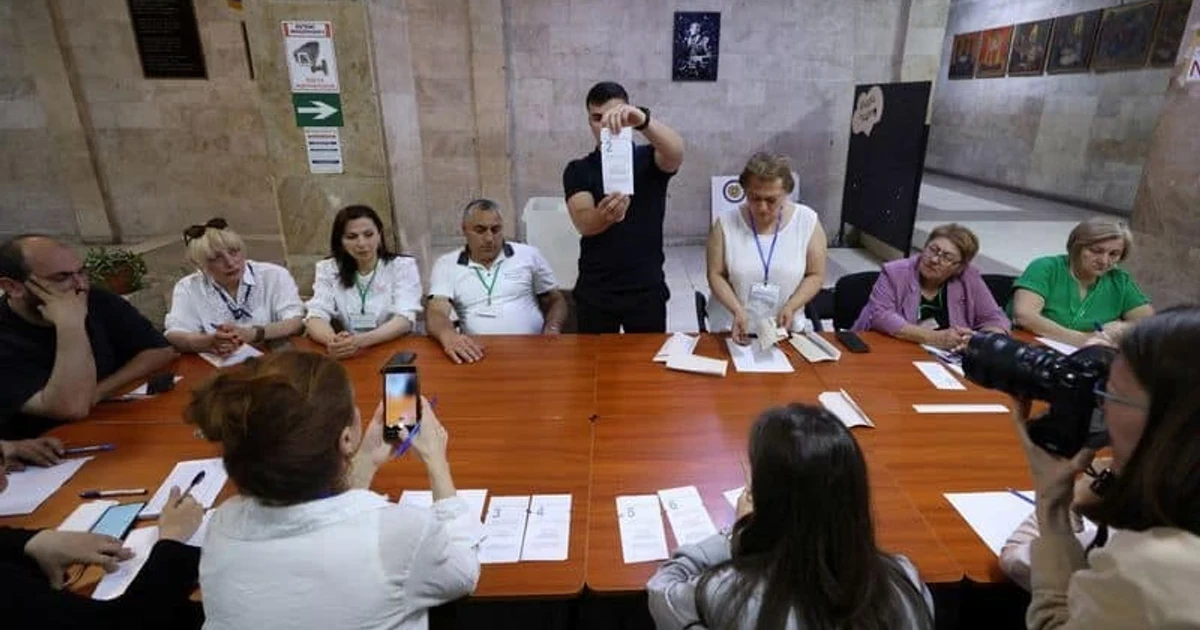
Armenia’s voters handed Nikol Pashinyan a fresh parliamentary majority after an election that observers said was shaped by direct pressure from Moscow. His Civil Contract party won 49.81% of the vote, while the main pro-Russian opposition bloc finished far behind, underscoring how much of the contest turned on sovereignty, security and Armenia’s place in the region. The result gives Pashinyan more room to push a Western-leaning course after the loss of Nagorno-Karabakh.
The Central Election Commission said turnout reached 58.97%, a strong level for a country that has spent the past two years reassessing its dependence on Russia. The Parliamentary Assembly of the Council of Europe said the campaign was clouded by escalating trade restrictions and security threats, and one monitor, Edita Estrella, said Russia had used public threats and trade measures in an attempt to alter the outcome. At the same time, the Council of Europe’s preliminary assessment said the vote itself was well run and offered Armenians a genuine choice among alternatives.
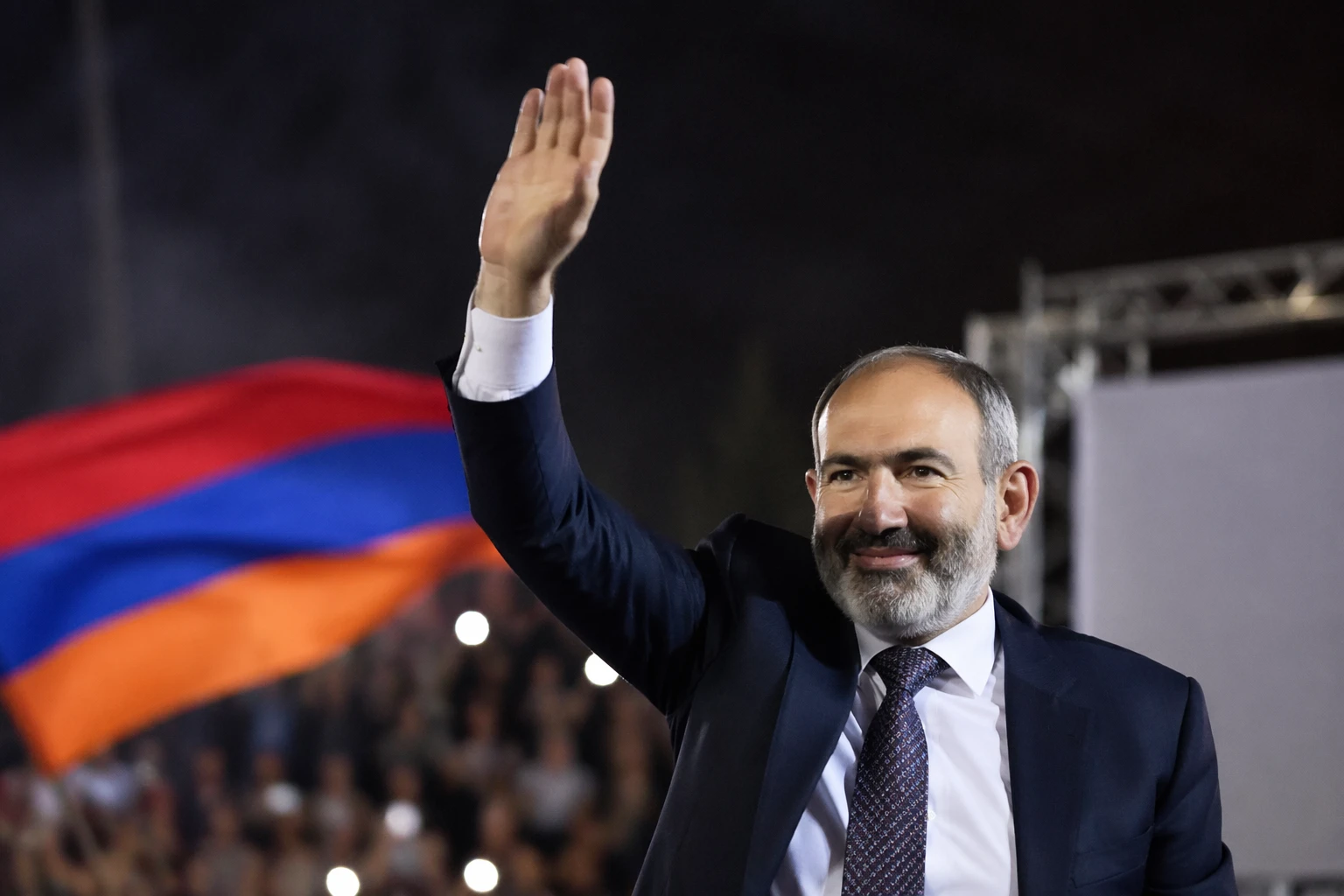
That credibility split matters. The allegations focused on the environment around the election, not the count itself, and the result suggests Armenian voters did not simply absorb outside pressure. Civil Contract’s 49.81% was enough to secure a parliamentary majority under Armenia’s system, while the pro-Russian Strong Armenia alliance, led by Russian-Armenian billionaire Samvel Karapetyan, took about 23.29%. Karapetyan was under house arrest on accusations that he advocated overthrowing the government, a charge he rejected as politically motivated.
Other opposition forces also made it into parliament, including Robert Kocharyan’s Armenia alliance and the Prosperous Armenia party, showing that Pashinyan still faces organized resistance. Armenian authorities arrested more than 40 people on suspicion of vote buying on the eve of the election, including several linked to Karapetyan’s camp, adding another layer of tension to a contest already framed as a test of Russian leverage in the South Caucasus.
The stakes extend well beyond domestic politics. This was Armenia’s first parliamentary election since Azerbaijan’s offensive in September 2023, after which Nagorno-Karabakh was dissolved on 1 January 2024. Pashinyan, who came to power in the 2018 Velvet Revolution, now has stronger backing to pursue a peace deal with Azerbaijan and normalize ties with Turkey, Azerbaijan’s ally. He called the result a “historic victory,” while European Commission President Ursula von der Leyen congratulated him and said Armenia could count on European support. Whether this marks a durable geopolitical shift will depend on how far Yerevan can reduce its exposure to Moscow without trading one dependency for another.
Sources
- [1]internazionale.it
- [2]usnews.com
- [3]coe.int
- [4]politico.eu
- [5]arka.am
- [6]congress.gov
- [7]cfr.org
- [8]turkiyetoday.com
- [9]aljazeera.com