World
Army medic who helped liberate Mauthausen preserved camp horrors in letter
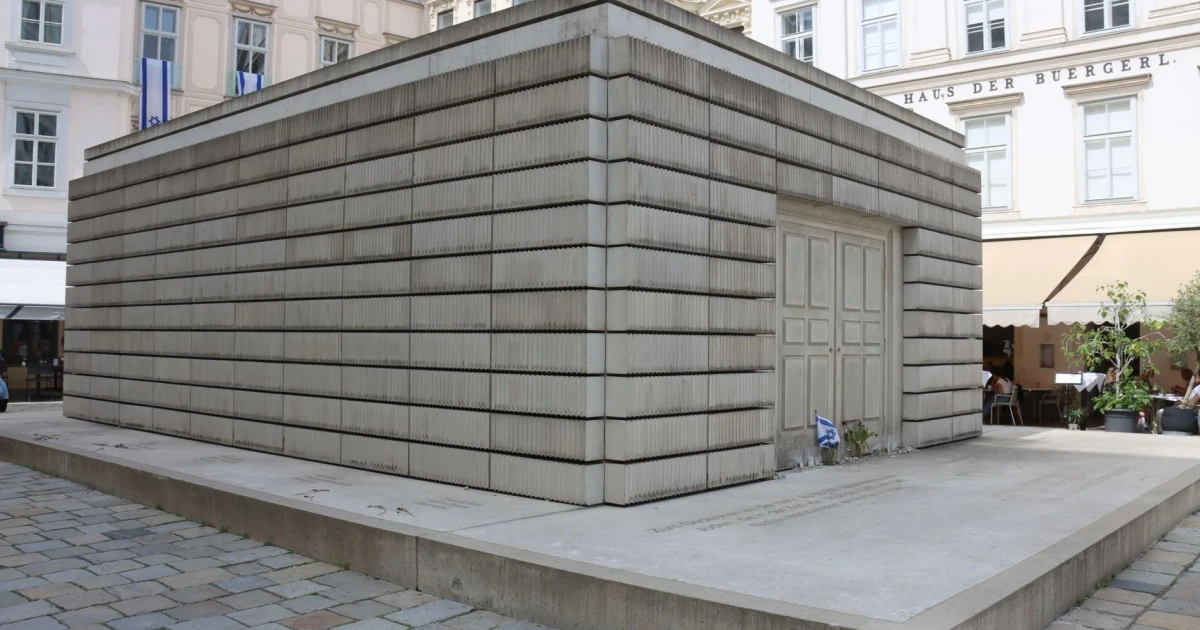
LeRoy “Pete” Petersohn was 22 when he walked into Mauthausen with the U.S. Army’s 11th Armored Division and found a camp packed with dying prisoners, including a seven-week-old baby in the women’s barracks. The Army medic stayed five days treating survivors, then wrote home on May 20, 1945, to fix what he had seen in memory and on paper before the world could look away.
Mauthausen, about 20 kilometers east of Linz in Upper Austria, had been built after the Anschluss of Austria to Nazi Germany in 1938. The first prisoners were transferred from Dachau on August 8, 1938, and the camp, along with Gusen, evolved into one of the harshest nodes in the Nazi system, with some of the worst imprisonment conditions and highest mortality. The SS began building a gas chamber there in 1941, and later turned prisoners into forced labor for armaments and underground factories.
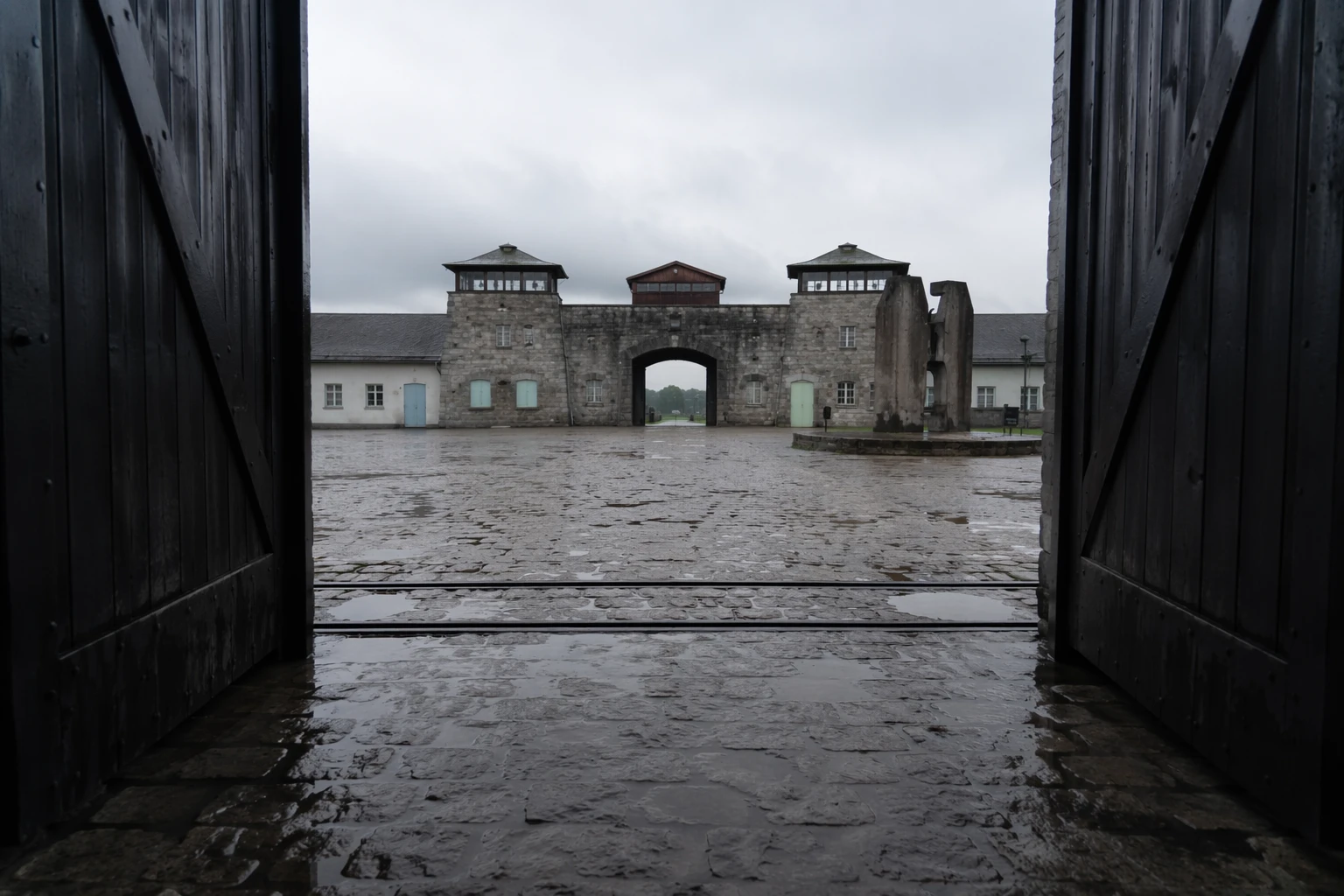
The 11th Armored Division reached Linz on May 4, 1945, and reconnaissance forces arrived at Mauthausen and Gusen the next day. U.S. units finally liberated around 40,000 prisoners on May 6, but thousands were too weak to survive the weeks and months that followed. More than 3,000 dead were buried in camp cemeteries next to the former concentration camps.
Petersohn’s letter mattered because it was not written for a courtroom, a memorial or a history book. His son, Brian Petersohn, said his father felt compelled to record what he had witnessed so it would be believed. That instinct matched a wider effort by liberators and investigators, as a War Crimes Investigating Team arrived with U.S. troops and collected evidence of SS crimes, including documents rescued by prisoners as the SS tried to burn files and kill witnesses.
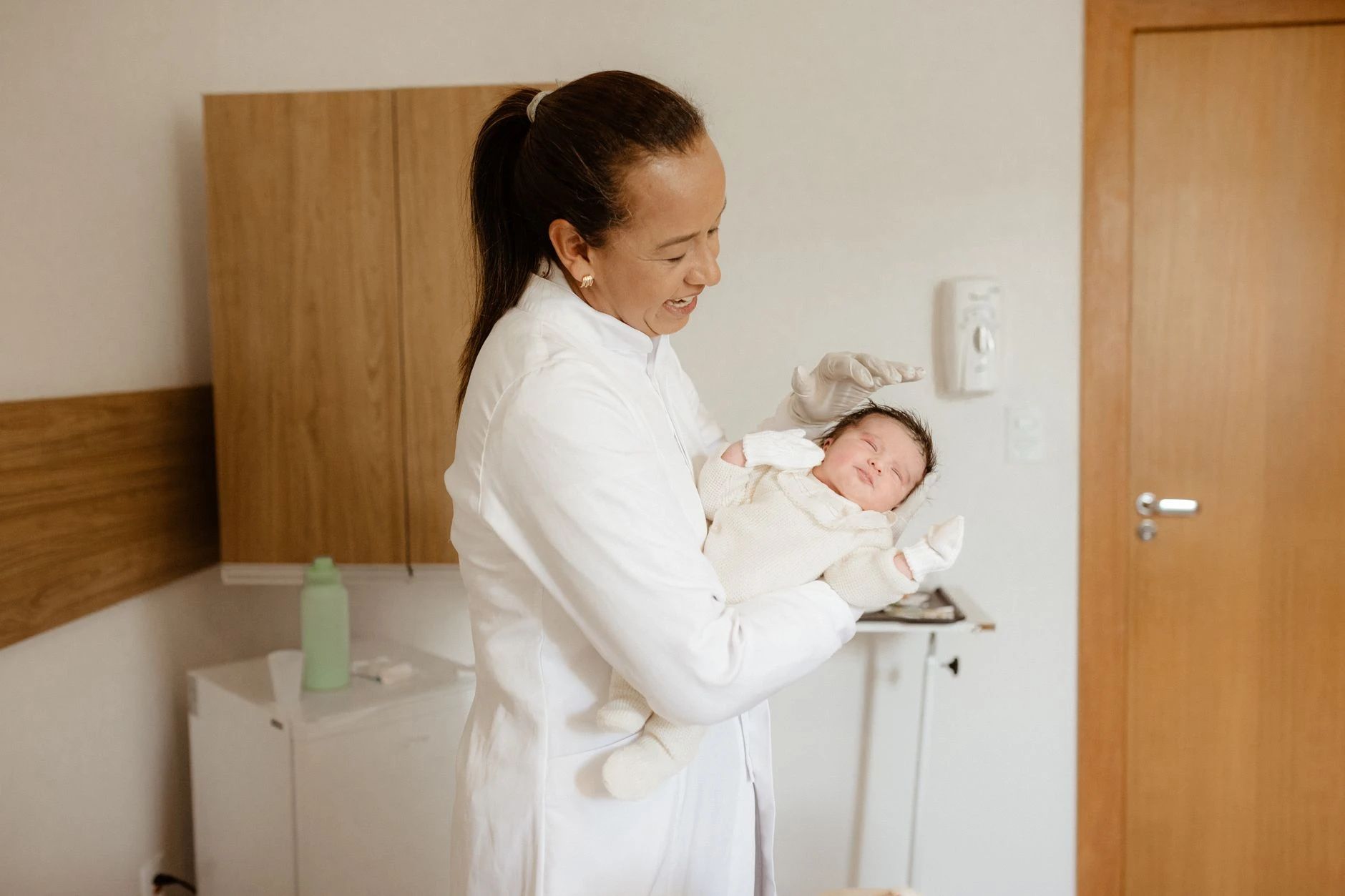
The account also carried a human detail that cut through the statistics. In the women’s barracks, Petersohn found a young mother and her newborn, born in another camp, and fetched a doctor who surgically cleaned the infant’s infected wounds. In 2005, at the 60th anniversary of Mauthausen’s liberation, Petersohn was reunited with Hana Berger Moran, a living link to the scene he had preserved in his letter. Survivors later read the Mauthausen Oath and called for a “world of free men,” and Petersohn’s testimony still shows why contemporaneous evidence remains essential when distortion and denial begin to rewrite atrocity.