Business
Art market slowdown triggers wave of gallery closures and layoffs
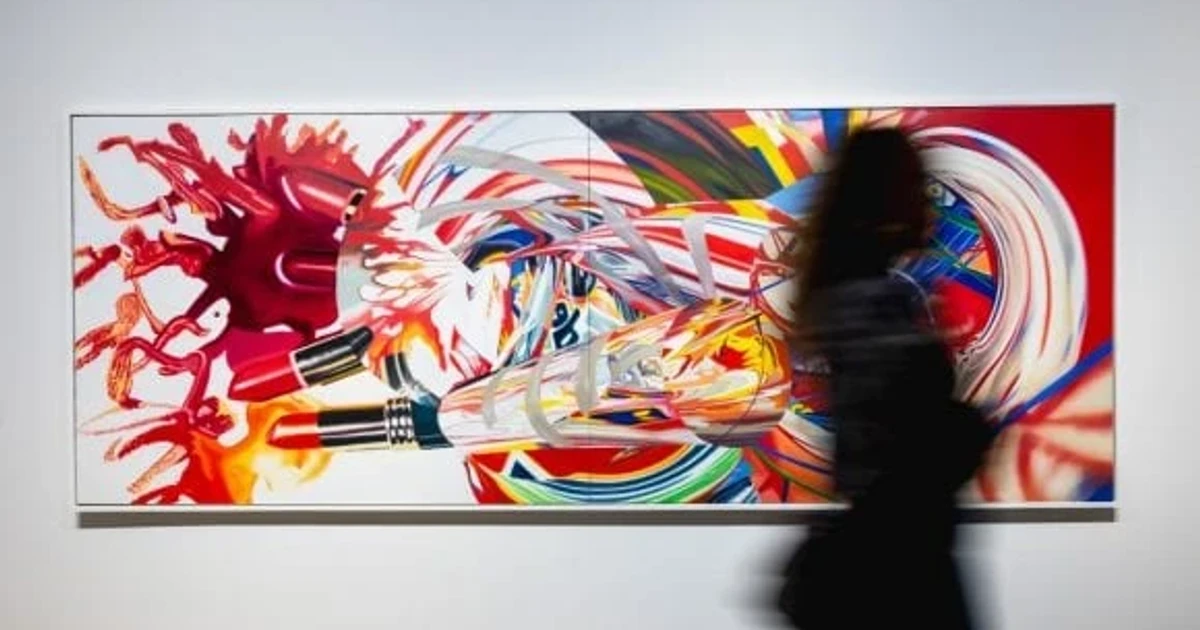
The art market’s post-pandemic rebound has given way to a sharper reckoning for galleries, where sales are weakening, collector habits are shifting and the old full-service model is getting harder to sustain. Global art sales fell 12% in 2024 to an estimated $57.5 billion, according to the Art Basel and UBS Global Art Market Report 2025, the second straight year of slowing growth. The pressure is showing up in New York, Los Angeles and beyond as some of the sector’s best-known names close, shrink or recast their businesses.
Artsy’s Art Market Trends 2025 report, based on surveys of 384 gallery professionals and dealers across 60-plus countries and a broader pool of more than 1,600 respondents, found that the trade was already wrestling with a shifting market and changing buyer behavior. The data points to a system in which expensive inventory, heavy fair schedules and rising operating costs are colliding with more cautious collectors and less predictable demand.

The wave of retrenchment became visible last year and has continued into 2026. Tim Blum announced in July 2025 that he was “sunsetting” Blum Gallery after 30 years in business. Adam Lindemann closed Venus Over Manhattan after 14 years, citing art fair fatigue and a desire to return to collecting full-time. Clearing Gallery also shut in 2025 after 14 years, becoming the fourth gallery with a New York presence to close in roughly a month, after Blum, Venus Over Manhattan and Kasmin.
The pressure did not stop at closures. Stephen Friedman Gallery closed its New York space at the end of 2025 and entered administration on 2 February 2026, underscoring how even established transatlantic operations have been vulnerable as the market cooled. Pace Gallery then announced on 4 June 2026 that it would cut about 50 artists and 50 staff members in what Marc Glimcher called a “model correction.”
Taken together, the moves suggest that more than a cyclical downturn is under way. The assumptions that once supported the gallery system are looking weaker: that the high end would keep expanding, that an aggressive fair calendar would keep sales flowing, that adding artists automatically meant adding revenue, and that large physical footprints in New York and other art capitals were a durable advantage. The Art Basel and UBS report said the main drag on the market was the thinning high end, even as some lower-priced segments showed stronger activity, leaving the industry split between a narrow top tier and a more active lower end. That split is forcing galleries to choose between contraction and reinvention.
Sources
- [1]nytimes.com
- [2]artbasel.com
- [3]artsy.net
- [4]artnews.com
- [5]theartnewspaper.com