Science
Artemis II Astronaut Cell Study Sheds Light on Medicine's Future
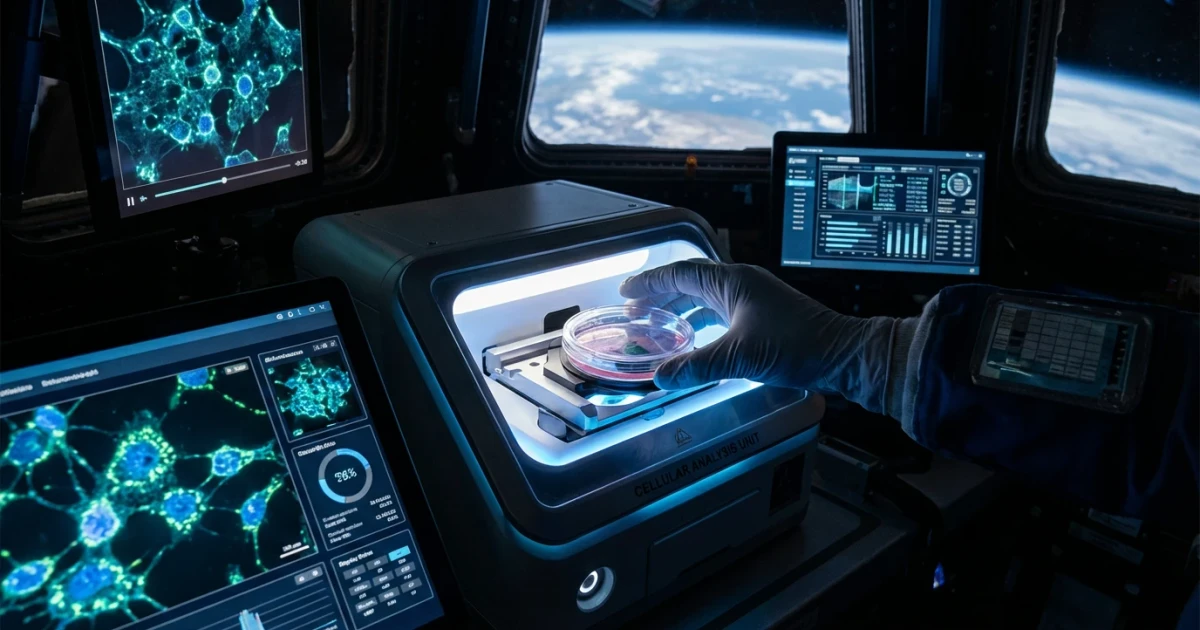
NASA’s Artemis II mission is nearing its conclusion, and alongside its high-profile objectives, a small but significant experiment using astronaut cells is drawing attention for its potential to transform both space and terrestrial medicine. As reported by The Washington Post, this cellular study could deepen our understanding of how spaceflight affects human health and provide a foundation for medical breakthroughs on Earth.
Exploring the Effects of Space on Human Cells
The Artemis II mission, part of NASA’s larger Artemis program aiming to return humans to the Moon, is carrying a range of experiments focused on the health and well-being of astronauts. Among these, a cellular biology study is investigating how human cells react to the unique conditions of space—including microgravity and increased radiation exposure.
According to the NASA Life Sciences Data Archive, the Artemis II cellular experiment is designed to track changes in cell structure, gene expression, and immune function during the mission. The findings could help identify key mechanisms behind physiological changes experienced by astronauts, such as immune system dysregulation, muscle loss, and bone density reduction.
Potential Breakthroughs for Space and Earth
- Immune System Insights: Previous NASA research has shown that long-duration spaceflight can suppress immune responses and alter cellular function. The Artemis II study is expected to provide more detailed data, building on findings from the HRP-0001 experiment and others.
- Gene Expression Changes: Microgravity and space radiation can influence which genes are activated or suppressed, potentially leading to new discoveries about how cells repair themselves or adapt to stress—knowledge that could inform treatments for diseases like cancer or autoimmune disorders.
- Drug Development: Understanding how cells behave differently in space may help researchers develop more effective drugs for use both during space missions and on Earth, particularly for conditions involving the immune system, muscle atrophy, or bone loss.
Challenges of Biology in Space
NASA’s Human Research Program identifies a range of risks associated with spaceflight, including altered immune responses, increased infection risk, and long-term health impacts. Artemis II’s biological experiments are designed to mitigate these challenges by providing critical data for future missions to the Moon and Mars.
As summarized in a recent review, spaceflight exposes cells to a combination of reduced gravity and cosmic radiation, which can affect everything from DNA repair to cell signaling. The Artemis II cell study will add to the growing body of evidence, offering a unique opportunity to observe how living human cells adapt to these extreme conditions in real time.
Looking Ahead
While the Artemis II mission will soon return to Earth, the impact of its cellular biology experiment is likely to be felt far longer. Insights gained could inform the design of future missions, help protect astronaut health on deep-space journeys, and even open new avenues for medical research and drug development on Earth.
As the scientific community awaits the final results from Artemis II’s experiments, the mission serves as a reminder that the pursuit of space exploration and the quest for medical progress are deeply interconnected. With each journey beyond our planet, we gain not only knowledge about the cosmos but also new tools to care for the human body—whether on Earth or among the stars.