Science
Artemis II Astronaut's Emotional Reaction After Mission Highlights Spiritual Support at NASA
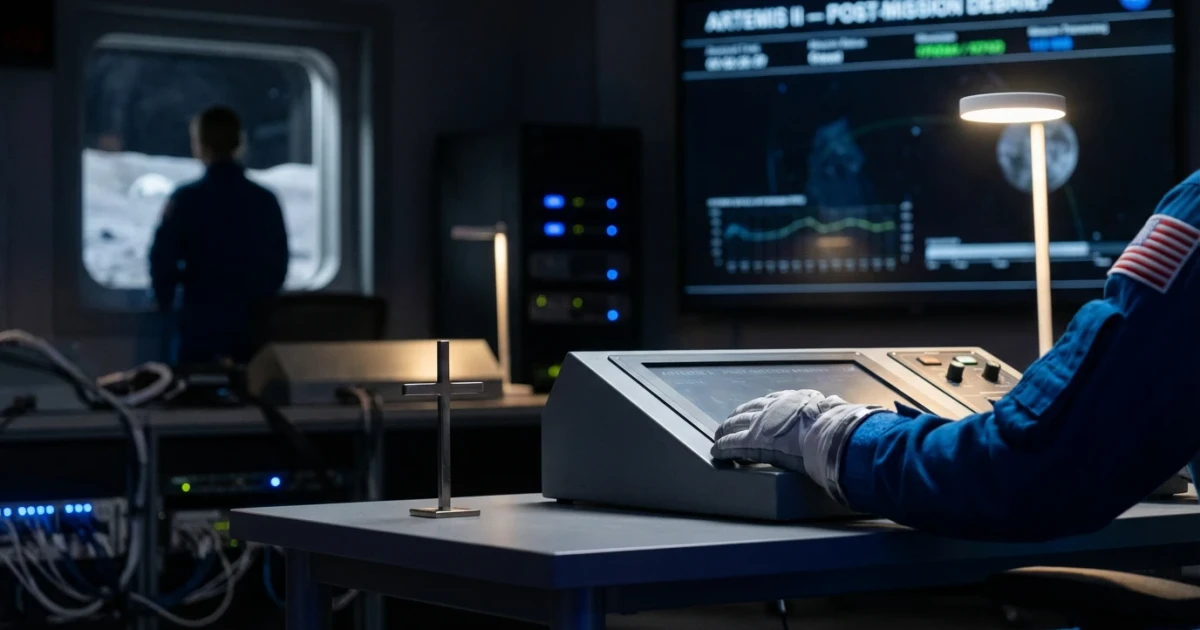
A non-religious NASA astronaut from the recent Artemis II mission reportedly broke down in tears after encountering a cross on a NASA chaplain’s collar, according to media reports. The story, first highlighted by the Christian Post, has sparked new conversations about the role of spirituality and emotional well-being for astronauts returning from space exploration.
Emotional Impact Following Spaceflight
The Artemis II mission marked a significant milestone as NASA’s first crewed lunar mission in over five decades. The emotional response of the astronaut, who identifies as non-religious, underscores the unique psychological pressures faced during and after such high-stakes missions. The Christian Post described how the astronaut, upon seeing the chaplain’s cross after landing, was overcome with emotion, reportedly breaking down in tears—a moment that reflects the powerful and sometimes unexpected personal responses astronauts may experience post-mission.
NASA’s Approach to Spiritual and Emotional Support
NASA has a longstanding practice of providing religious and spiritual support for astronauts. This includes the work of chaplains and counselors who are available to all crewmembers, regardless of religious affiliation or lack thereof. The agency recognizes that spaceflight can be both exhilarating and mentally taxing, prompting a range of emotional responses that can include awe, isolation, and existential reflection. NASA’s policies ensure that astronauts have access to support tailored to their individual beliefs and needs.
- NASA chaplains serve as confidential resources for discussing spiritual or emotional matters.
- The agency offers multi-faith and secular support, reflecting the diverse beliefs among Americans.
- Support services are available before, during, and after missions.
Historical Context: Religion and Space Exploration
While this particular astronaut is non-religious, the emotional and spiritual dimensions of space travel have long been part of NASA’s history. During the Apollo missions, for example, astronauts often reported profound spiritual experiences and some even read passages from religious texts while in orbit. NASA has documented these moments in its analysis of religion in space, noting that the vastness of the cosmos can lead to deep introspection regardless of personal faith backgrounds.
Today, NASA’s crews are more religiously diverse and include individuals who identify as non-religious or secular humanists. According to Pew Research Center data, about 29% of Americans are religiously unaffiliated, a figure reflected in the backgrounds of many current astronauts.
Artemis II: Mission Overview and Crew Diversity
The Artemis II crew represents a new era of human spaceflight, both in its scientific goals and the diversity of its members’ backgrounds and beliefs. The mission, which orbited the Moon without landing, served as a critical test for technologies and procedures that will enable future lunar exploration. NASA’s commitment to supporting crew members holistically—including their psychological and spiritual needs—has become an essential part of mission planning and crew care.
- The Artemis II mission lasted approximately 10 days and involved four astronauts.
- The crew underwent extensive pre- and post-flight debriefings, including mental health and emotional support sessions.
- NASA’s astronaut support program is continually updated to address the evolving needs of increasingly diverse crews.
Analysis: Why Emotional Responses Matter
The recent story of the Artemis II astronaut’s reaction serves as a reminder that space exploration is not only a technical and scientific endeavor but also a deeply human one. Encounters with symbols of faith, moments of introspection, or the sheer magnitude of the space experience can have lasting effects on astronauts, regardless of their beliefs. NASA’s comprehensive approach to crew support, including access to both religious and secular resources, aims to foster resilience and well-being for all who venture beyond Earth.
As missions become longer and more distant, such as those planned for Mars, addressing the psychological and spiritual needs of astronauts will remain a priority for agencies like NASA. The Artemis II mission, and the emotional journey of its crew, highlights the importance of preparing for every aspect of human experience in space.