Science
Artemis II Astronauts Reflect on Emotional Moon Flyby
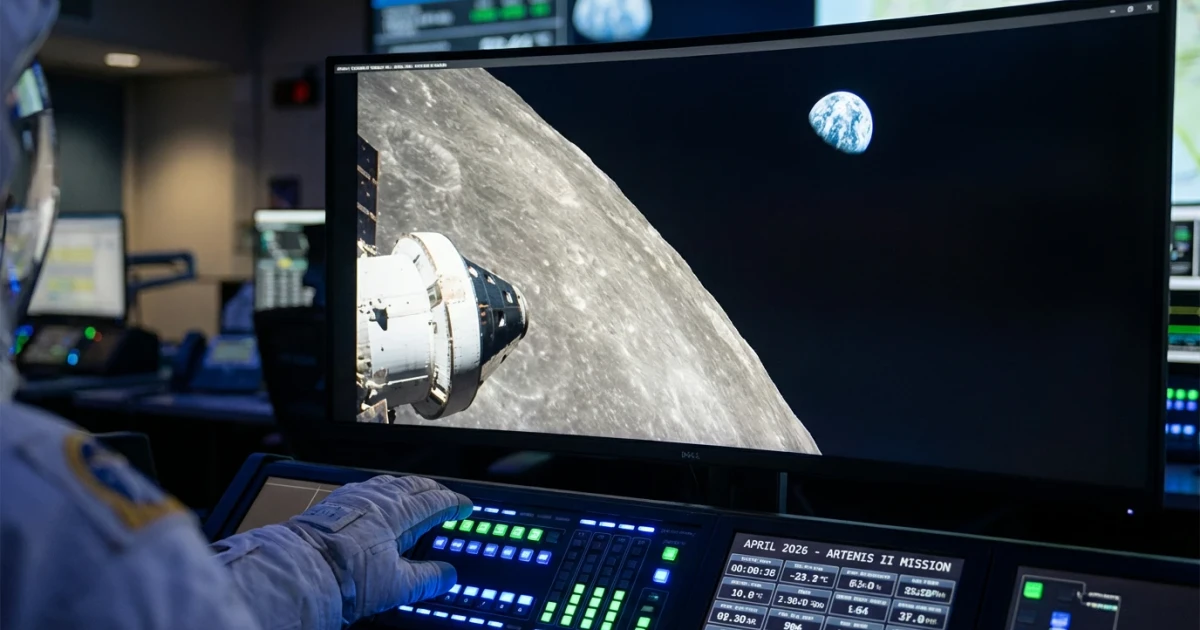
NASA’s Artemis II mission has captured global attention as its four-member crew, the first humans to journey around the moon in over five decades, described their “overwhelming” emotions after the historic lunar flyby. The mission, which represents a key milestone in NASA’s ambitious Artemis program, marks humanity’s return to deep space and sets the stage for future lunar landings.
Historic Journey Around the Moon
Artemis II, launched atop the Space Launch System (SLS) rocket, carried its international crew aboard the advanced Orion spacecraft. The mission’s primary objective was to test critical systems and pave the way for future lunar surface missions. The Orion’s successful flight followed a trajectory around the moon, bringing the crew within sight of the lunar surface and offering breathtaking views of Earth as a distant blue marble.
- The mission lasted approximately 10 days, covering nearly half a million miles.
- It marked the first crewed lunar flyby since Apollo 17 in 1972.
- The crew completed a comprehensive check of life-support, navigation, and communications systems in lunar orbit.
Emotional Impact on the Crew
According to The Guardian’s coverage, the Artemis II astronauts described the experience as deeply moving. Seeing the moon up close and Earth from such a distance triggered what they called “overwhelming” emotions. While the crew’s individual reflections have not been quoted directly in the public sources, NASA officials confirmed that the astronauts were profoundly affected by the views and the significance of their journey.
The Artemis II crew includes seasoned astronauts selected for their technical expertise and ability to represent humanity on this historic mission. Their reactions highlight the psychological impact of deep space travel, echoing sentiments shared by Apollo astronauts more than 50 years ago.
Mission Achievements and First Images
NASA has released the first photos from Artemis II, capturing stunning vistas of the moon’s surface and the distant Earth. These images, now circulating worldwide, provide a vivid reminder of both the technological achievements and the personal dimensions of spaceflight.
- Technical data from the mission confirm Orion’s systems performed as expected throughout the lunar flyby.
- The crew conducted essential tests that will inform the design and safety protocols for Artemis III, which aims to land astronauts on the lunar surface.
- Public enthusiasm has surged, with educational outreach and live broadcasts sparking renewed interest in space exploration.
Looking Ahead: Artemis Program’s Ambitions
The Artemis II mission is a cornerstone of NASA’s broader Artemis program, designed to establish a sustainable human presence on the moon and eventually prepare for missions to Mars. NASA officials emphasize that the successful lunar flyby not only demonstrates technological readiness but also inspires a new generation of scientists, engineers, and explorers.
As the Artemis II crew returns to Earth, their emotional testimony and the mission’s technical triumphs reinforce the enduring allure and importance of human spaceflight. The insights gained from this mission will guide the next steps as NASA prepares for the even more ambitious Artemis III landing in the coming years.