Science
Artemis II Crew Elevates Mission with Advanced Photography Training
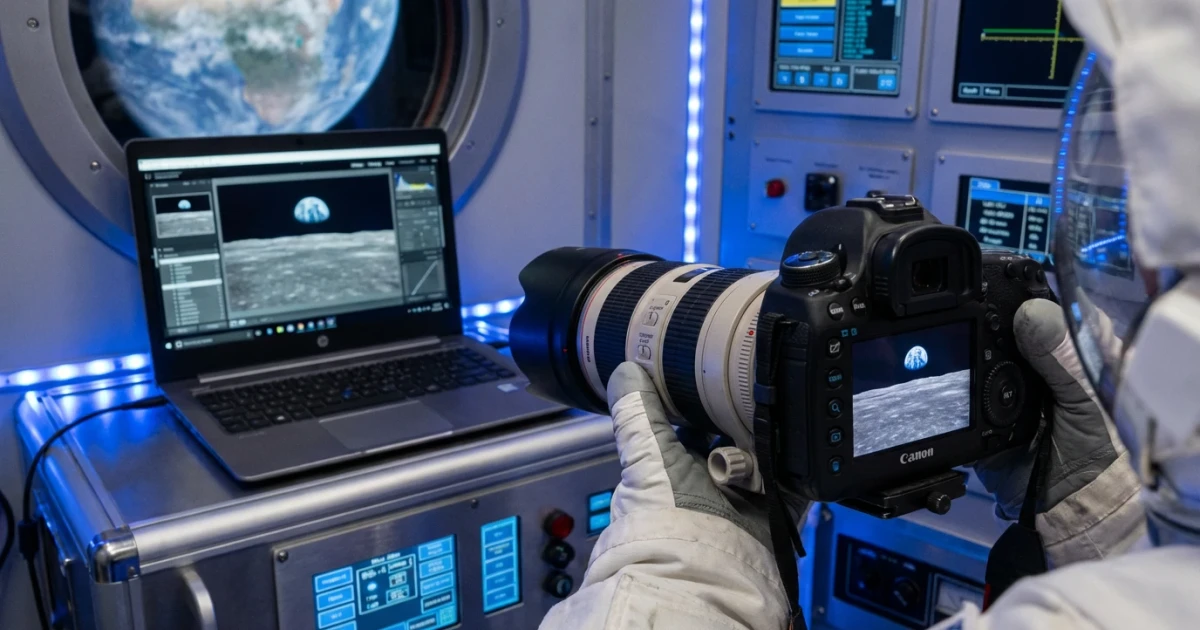
NASA’s Artemis II mission is making headlines not only for its ambitious journey around the Moon but also for the exceptional visual documentation produced by its astronaut crew. According to Reuters, the Artemis II astronauts made the most of their professional photography training, resulting in some of the most striking images yet captured in human spaceflight.
Photography as a Core Mission Element
Unlike previous missions, Artemis II placed a notable emphasis on equipping its crew with advanced photographic skills before launch. NASA’s official mission press kit details a rigorous training regimen that included over 40 hours of hands-on camera instruction, simulated low-light shooting scenarios, and in-depth workshops on framing and composition. This focus aimed to ensure that astronauts could not only document scientific objectives but also share the human experience of space with audiences on Earth.
Capturing the Mission: From Earthset to Lunar Flybys
Reuters highlighted how the Artemis II crew, drawing from their professional training, produced images that have been widely recognized for their clarity and artistic value. Among the most celebrated photos is the so-called “Earthset” series, which depicts the Earth rising and setting beyond the lunar horizon. These images have been featured prominently in NASA’s training and mission galleries, serving both scientific and public engagement goals.
- The crew’s work included close-ups of the Moon’s surface, wide-angle shots of Earth from lunar orbit, and candid moments inside the spacecraft.
- NASA’s official training updates confirm that astronauts practiced these techniques extensively prior to launch, with a focus on both handheld and automated camera systems.
Professional Standards Meet Spaceflight Challenges
According to NASA’s technical reports, the Artemis II crew’s preparation included mastering equipment such as high-resolution digital still cameras, 4K video systems, and specialized lenses for low-light and high-contrast environments. The astronauts also trained to adapt to the unique constraints of microgravity, learning to stabilize shots and adjust settings while suited up and operating within the Orion spacecraft’s confined quarters.
Reuters and NASA materials both note that this level of preparation paid off: the Artemis II image sets are being used not only for outreach but also for scientific observation, such as documenting lunar surface features and spacecraft operations in unprecedented detail.
Public Engagement and Scientific Value
The best photos of the Artemis II mission have already garnered widespread attention from both the scientific community and the public. NASA’s official crew profiles highlight how visual storytelling is central to the Artemis program’s efforts to inspire future explorers and increase transparency about mission activities.
- Images like the Earthset and candid crew portraits have been used in educational resources, media coverage, and NASA’s online features.
- According to Reuters, these visuals underscore the vital role of astronaut photographers in connecting space exploration with audiences worldwide.
Looking Ahead: Building on Success
With Artemis II’s photography achievements setting a new benchmark, NASA is expected to incorporate even more advanced visual training in future missions. The positive response to the crew’s images demonstrates the growing importance of professional media skills alongside scientific and technical expertise for modern astronauts.
As NASA continues its Artemis program and prepares for crewed lunar landings, the lessons learned from Artemis II’s approach to photography are likely to shape mission planning and astronaut selection for years to come.