Science
Artemis II Crew Embarks on Historic Lunar Mission
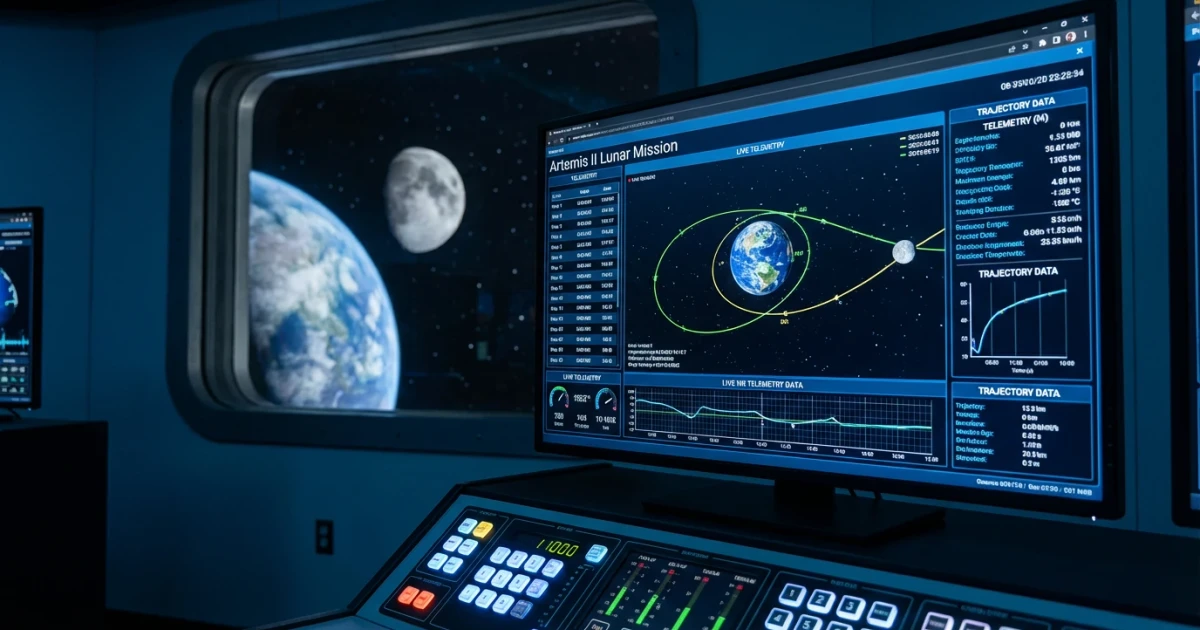
Four astronauts are now en route to the Moon after successfully launching on NASA’s Artemis II mission, marking the first crewed lunar journey since the Apollo era. The mission, widely covered by outlets including CNN, is seen as a pivotal step in NASA’s long-term plans for lunar exploration and a precursor to landing humans on the Moon’s surface in the coming years.
Mission Overview and Objectives
The Artemis II crew—comprised of four astronauts—launched aboard the Orion spacecraft atop the powerful Space Launch System (SLS) rocket. The mission will last approximately 10 days, during which the crew will orbit the Moon but not land. This flight is intended to test all spacecraft systems and ensure safety for future lunar landings.
- The Artemis II mission is the first crewed test flight in NASA’s Artemis program, following the uncrewed Artemis I mission.
- Orion will travel more than 1.4 million miles during its journey, including a lunar flyby at approximately 8,889 kilometers (5,523 miles) above the Moon’s surface.
- The mission includes a comprehensive evaluation of life support, communications, and navigation systems crucial for the demanding conditions of deep space travel.
The Crew and Their Roles
The Artemis II crew includes Commander Reid Wiseman, Pilot Victor Glover, Mission Specialist Christina Koch, and Mission Specialist Jeremy Hansen. Each astronaut brings extensive experience—Wiseman and Glover are NASA veterans, Koch holds the record for the longest single spaceflight by a woman, and Hansen is a Canadian Space Agency astronaut making his first spaceflight. Official NASA crew biographies detail their training and previous missions.
Journey to the Moon: Timeline and Key Events
According to NASA’s mission timeline, the Artemis II spacecraft will take about two days to reach lunar orbit after launch. The crew will conduct a lunar flyby before returning to Earth, splashing down in the Pacific Ocean.
- Launch: Successful liftoff from Kennedy Space Center.
- Trans-lunar injection: Orion is propelled out of Earth’s orbit toward the Moon.
- Lunar flyby: Crew approaches the Moon, testing life support and communication systems.
- Return trajectory: Orion heads back to Earth for re-entry and splashdown.
Significance and What Comes Next
The Artemis II mission is a critical demonstration of NASA’s ability to send humans beyond low Earth orbit using next-generation technology. It paves the way for future Artemis missions that will eventually attempt to land astronauts on the lunar surface, including the first woman and person of color. This mission also serves as a key test for the long-term goal of establishing a sustainable human presence on the Moon and, eventually, Mars.
How to Follow the Mission
NASA is providing live updates, mission tracking, and educational resources for those interested in following the Artemis II journey. Details on live broadcasts and mission milestones are available through NASA’s official Artemis II FAQ and data pages, allowing the public to stay informed in real time as the mission unfolds.
Looking Ahead
With Artemis II now underway, NASA and its international partners are one step closer to resuming human exploration of the lunar surface. The performance of the crew and spacecraft during this mission will directly inform the planning, safety protocols, and technologies needed for the ambitious lunar landings targeted for the near future. As the world watches, Artemis II marks a new chapter in the ongoing exploration of space and humanity’s quest to reach beyond our planet.