Science
Artemis II Crew Prepares for Historic Moon Mission
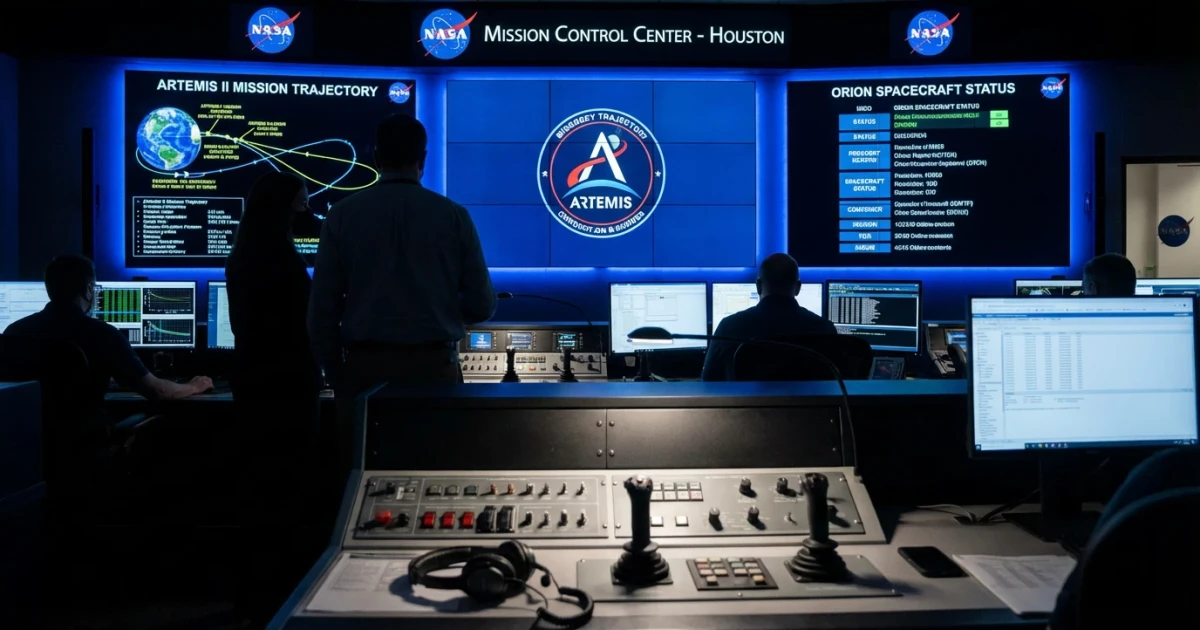
NASA's Artemis II mission is set to make history as four astronauts prepare to embark on a journey around the moon, marking the first crewed lunar flyby since the Apollo era. Slated for launch from Florida's Kennedy Space Center, the mission will serve as a crucial test of technology and teamwork on the path toward renewed lunar exploration.
Meet the Artemis II Crew
The Artemis II crew, a diverse and accomplished group of astronauts, will be the first humans to travel near the moon in more than half a century. According to CNN reports and NASA's official crew page, the team comprises:
- Reid Wiseman (Commander): A veteran astronaut and former International Space Station resident with extensive leadership experience.
- Victor Glover (Pilot): The first person of color to live on the International Space Station for an extended mission, bringing strong piloting credentials.
- Christina Koch (Mission Specialist): Holder of the record for the longest single spaceflight by a woman and known for her expertise in science and engineering.
- Jeremy Hansen (Mission Specialist): Representing the Canadian Space Agency, Hansen is the first non-American to fly to the moon, adding an international dimension to the mission.
Each crew member brings unique skills and backgrounds, reflecting the collaborative spirit of the Artemis program. For detailed biographies and career highlights, readers can explore the official NASA crew bios.
Mission Objectives and Timeline
Artemis II is not just a symbolic return to lunar space; it is a critical test flight for the Artemis program's future ambitions. The mission will evaluate NASA’s Orion spacecraft systems and life-support capabilities under real conditions, paving the way for future landings.
- The crew will orbit the moon without landing, collecting data on spacecraft performance and astronaut health.
- The mission is expected to last about 10 days, during which the crew will travel more than 6,400 miles from Earth at their farthest point.
- Key milestones include launch, a lunar flyby, and safe return to Earth, all tracked in detail on the official mission timeline.
As AccuWeather notes, Artemis II will be the first time a crewed spacecraft tests all systems in deep space since the Apollo era, setting the stage for Artemis III and the eventual return to the lunar surface.
Preparing for Launch and Community Impact
NASA has announced comprehensive coverage plans for the launch, which is expected to draw significant public and media attention. Local communities near the Kennedy Space Center, such as Brevard County, are already preparing for increased traffic and visitor interest as the historic event approaches. CNN highlighted that officials are coordinating logistics to manage the surge in crowds and ensure a safe, smooth experience for those wishing to witness the launch firsthand.
Why Artemis II Matters
The Artemis II mission represents a pivotal step in NASA’s broader vision to establish a sustainable human presence on and around the moon. The mission’s success will inform procedures, technology, and international collaboration for future lunar and eventually Mars expeditions.
- The diversity of the crew underscores NASA’s commitment to representation and global partnership in space exploration.
- Technical objectives include rigorous testing of Orion’s heat shield, communication systems, and in-space navigation.
- The mission will generate data to validate safety protocols and operational procedures for deep space travel.
For those interested in an interactive overview of the mission’s path and objectives, NASA offers a special Artemis II feature with infographics and downloadable resources.
Looking Ahead
As Artemis II prepares for liftoff, the mission symbolizes both a return to the moon and a leap toward the future of human spaceflight. Public interest and international cooperation are expected to grow as the countdown continues, with NASA’s Artemis program aiming to inspire a new generation of explorers and scientists.
For ongoing updates, mission facts, and crew insights, readers can follow NASA’s official Artemis resources and news outlets covering this historic journey.