Science
Artemis II Crew Returns Safely After Lunar Mission
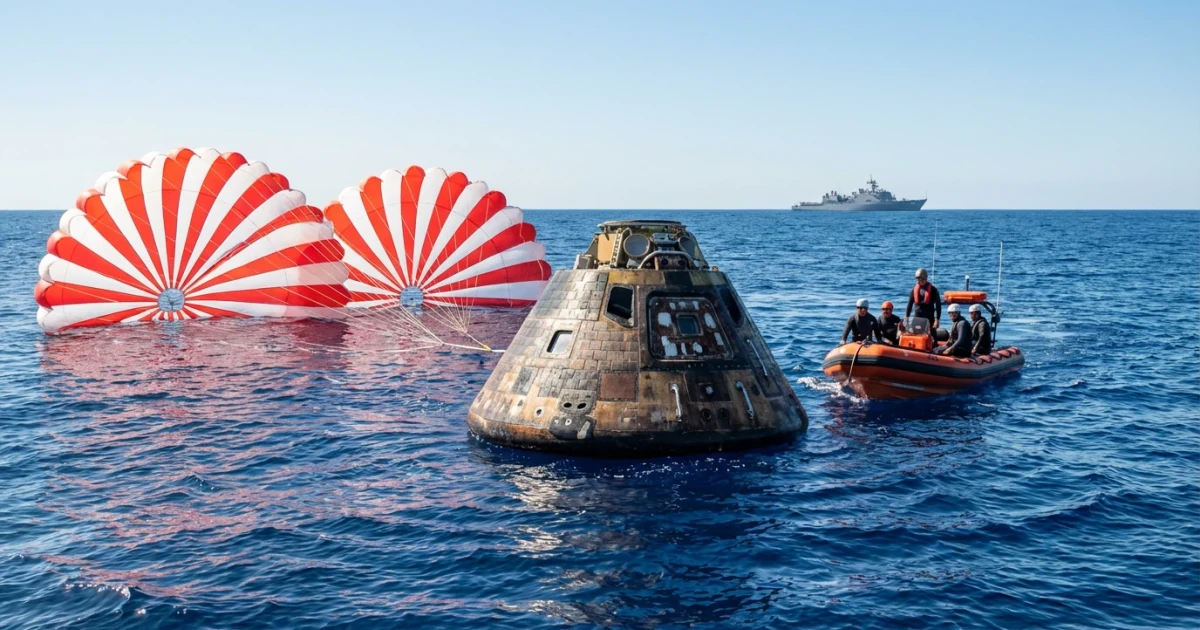
NASA’s Artemis II mission concluded with a successful splashdown, as the crew returned to Earth after completing a historic voyage around the moon. This marks the first time in over 50 years that humans have traveled so far from Earth, advancing the United States’ renewed lunar exploration efforts.
Mission Overview and Achievements
The Artemis II mission was designed as the first crewed flight to orbit the moon since the Apollo era. Over the course of its journey, the crew tested critical systems and procedures that will pave the way for future lunar landings. According to NASA’s mission statistics, the crew traveled more than 600,000 miles, circumnavigating the moon before returning to Earth’s atmosphere.
- Distance traveled: Over 600,000 miles
- Mission duration: Approximately 10 days
- Key objectives: Testing Orion spacecraft systems, deep space navigation, and crew operations
The crew’s journey involved comprehensive testing of life support, navigation, and communication systems aboard the Orion spacecraft, essential for the upcoming Artemis III mission that aims to land astronauts on the lunar surface.
Crew and Training
The Artemis II crew comprised four highly trained astronauts, each bringing extensive flight and mission experience. Their selection and preparation involved years of rigorous training, including simulations and rehearsals for deep space scenarios. Detailed biographies and training records for each crew member are available in the crew’s official NASA records.
Technological Milestones
The mission showcased the capabilities of NASA’s Space Launch System (SLS), one of the world’s most powerful rockets, as well as the Orion spacecraft’s advanced systems for long-duration crewed spaceflight.
- SLS thrust: Over 8.8 million pounds
- Orion crew capacity: Up to four astronauts
- Orion re-entry speed: Approximately 25,000 mph upon return to Earth
NASA’s Artemis program facts and figures highlight the mission’s role in developing sustainable lunar exploration technologies and partnerships.
Historical Significance and Next Steps
Artemis II’s successful completion represents a crucial leap in U.S. ambitions to return humans to the moon and eventually establish a sustainable presence. The mission’s results will inform planning and safety protocols for Artemis III, which aims to land astronauts near the lunar South Pole.
For those curious about the broader context, NASA offers an extensive Artemis Program FAQ explaining the science, technology, and long-term goals of lunar exploration.
Looking Ahead
With Artemis II’s crew safely back on Earth, NASA will now turn its focus to analyzing mission data and preparing for the next steps in the Artemis program. As the world watches, the agency aims to build on this success and move closer to landing the first woman and next man on the moon in the coming years.